



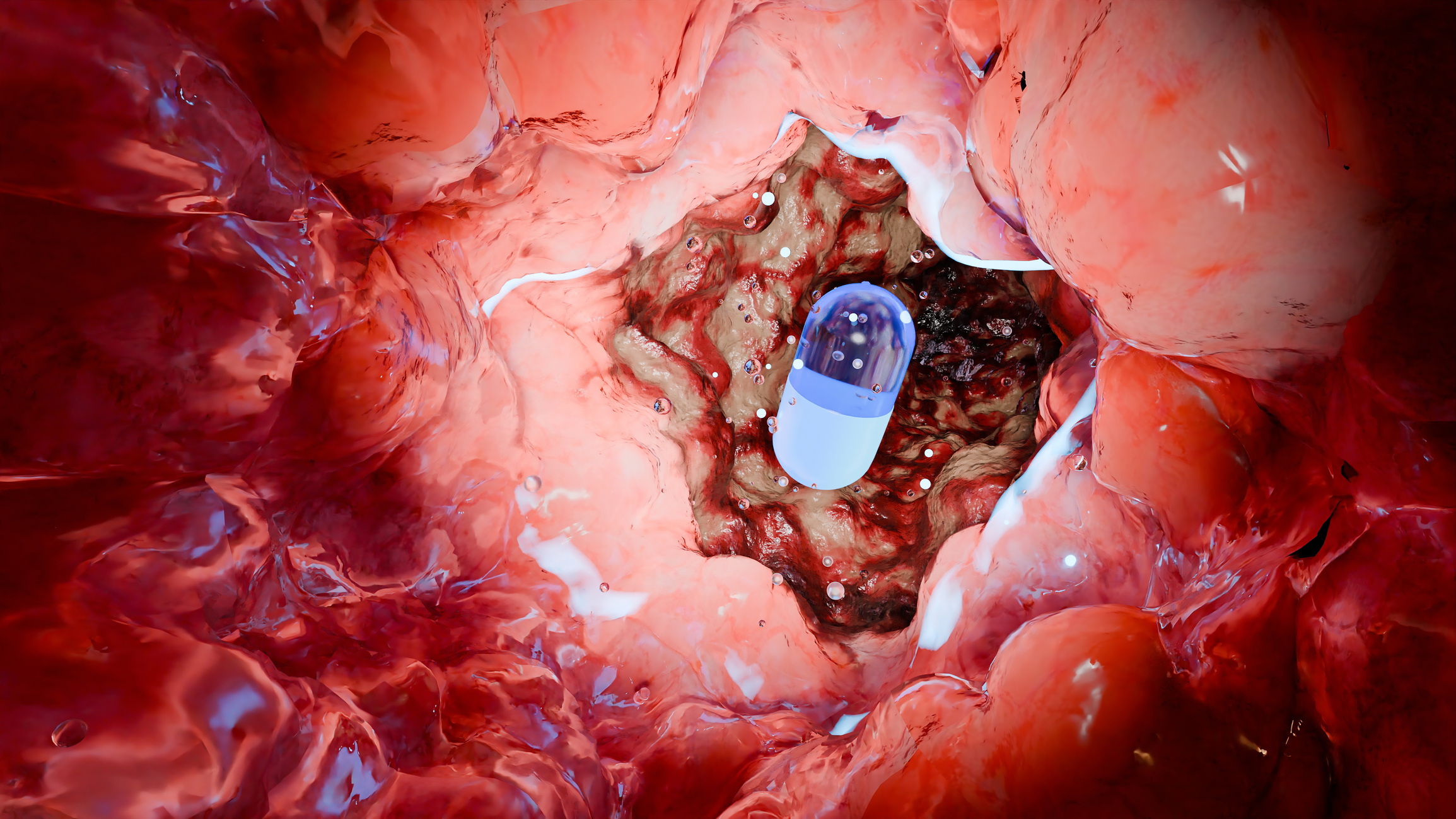







Nutritional interventions for irritable bowel syndrome
Photo Cred: Nathan Cowley/Pexels
By Kellie Blake, RDN, LD, IFNCP
Irritable bowel syndrome (IBS) seems to be a catch-all these days. There is no definitive testing available, so clients experiencing any gastrointestinal symptoms with no organic cause are often diagnosed with IBS.
Symptoms can range from mild to debilitating and are often associated with other gastrointestinal disorders, making it difficult to know if IBS symptoms are solely related to IBS or a consequence of another other GI-related disorder. There is no specific conventional treatment for IBS, so clients often find themselves rearranging their lives to accommodate the illness and many report a significant reduction in quality of life.
IBS affects up to 11 percent of the world population, and females are more likely to suffer from this disease. IBS can be categorized into sporadic, meaning there have been symptoms for a significant period of time with no associated cause, or post-infectious, meaning symptoms developed after an episode of gastroenteritis.
IBS is likely related to genetics, nutrition, an altered gut microbiome, or inflammation. The subgroups of IBS include IBS with pain or discomfort and predominant constipation (IBS-C), IBS with diarrhea (IBS-D), mixed IBS (IBS-M) and unsubtyped IBS (IBS-U).
According to a 2019 review in Nutrients, the gut microbiome is altered in IBS patients. For example, IBS patients have less butyrate-producing bacteria, IBS-C patients have more methane producing bacteria, and there is overall less bacterial diversity when compared to healthy controls. In addition, IBS patients have lower gut endocrine cell density, which affects gut stem cell status. An altered gut microbiome is suspected as a significant contributor of both the gastrointestinal and psychiatric symptoms seen in IBS patients.
While nutrition is known to cause and exacerbate IBS symptoms, it can also be a powerful therapy to help reverse those symptoms. Gut bacteria ferment food particles to create methane, hydrogen, or short-chain fatty acids and the gut microbiome profile is primarily determined by the foods that an individual chooses to consume. Altering the type of food provided to the gut bacteria is one way to target gut health and alleviate IBS symptoms.
Initial nutrition-related recommendations for IBS patients include encouraging routine meals, avoiding binge drinking and spicy or high fat foods, increasing fiber intake, and limiting caffeine consumption. If symptom relief is not realized quickly, a well-planned diet low in fermentable oligo-, di-, monosaccharide, and polyols (FODMAPs) can be initiated and has been shown to successfully treat IBS symptoms and improve quality of life.
However, fructans and galactans, which are removed or severely limited on a low FODMAP approach, provide fuel for the intestinal microbiota, and a low-FODMAP diet can produce unfavorable changes in the gut microbiome profile over time, such as reducing bifidobacteria and butyrate-producing bacteria. In addition, the low-FODMAP diet can be difficult to maintain and, if used long-term, can possibly lead to nutritional deficiencies.
Another less challenging option is the National Institute for Health and Care Excellence modified diet (NICE). This diet eliminates onions, garlic, beans, peas, artichokes, cabbage, watermelon, wheat flour and wheat products, milk and dairy products, fructose-containing sweeteners, carbonated drinks, coffee, and beer. This approach can be less daunting, easier to maintain, and provide powerful symptom relief.
Case Study
Kathy is a 64-year-old female seeking nutrition counseling to regain weight, stop hair loss, and reverse chronic diarrhea. Her initial lab work indicated an inappropriately elevated cortisol level, higher than optimal blood sugar, low lipids, and low white blood cell count. Thyroid function testing indicated high reverse T3 and Hashimoto’s hypothyroidism. Her vitamin D level was optimal at 71ng/mL. Medications included Lexapro, progesterone cream, Synthroid, Biest, Xanax, a multivitamin, vitamin C, aspirin, vitamin D3 with K2, and a probiotic.
Prior to January 2019, Kathy was walking four miles per day, but had stopped much activity due to concerning weight loss and gastrointestinal symptoms, including watery diarrhea five to seven times per day.
Kathy said she was always tiny but was down to 92 pounds after losing 12 pounds over five months. She avoided carbonated beverages and greasy foods due to reflux symptoms and complained of excess stress in her life. Her diet was high in refined carbohydrates, sugar, and low in vegetables.
She was also unable to sleep longer than four hours per night. She had been to numerous physicians and had a variety of tests, but no organic cause of her symptoms was determined and she was diagnosed with IBS. She reported one physician recommended a powerful antibiotic to “wipe out” all gut bacteria, but she was concerned about this recommendation, so she sought nutrition therapy instead.
During the initial appointment, Kathy expressed that her brother had passed away in January 2019 and she noticed symptom exacerbation beginning at that time. Stress and increased intestinal permeability were suspected as significant triggers of her symptoms and her GI-MAP results indicated reduced mucosal health, decreased digestive function, high zonulin, low pancreatic elastase, and low microbial diversity, with high beta glucuronidase.
I recommended a complete elimination diet and initiated a 5R protocol (remove, replace, repopulate, repair, and rebalance) for gut restoration instead of opting for the low-FODMAP diet. She was very anxious about this recommendation and reported she did not want to lose more weight, but reluctantly agreed.
Our initial plan included:
- A full elimination diet excluding sugar, gluten, dairy, corn, soy, red meat, pork, inflammatory oils and additives, eggs, caffeine, and chocolate for four weeks
- Pancreatic enzymes and deglycyrrhizinated licorice (DGL) before meals
- Sodium butyrate to help feed the good gut bacteria due to her limited fiber intake
- Meditation twice per day for at least ten minutes
- 60 ounces of water per day
- Strength training twice per week
- Sleep hygiene routine and 400 milligrams magnesium glycinate before bed
- High protein green smoothie for breakfast with L-glutamine powder for four weeks
- Vitamin B complex once per day in the morning
- Vitamin C 1,000 milligrams per day
- Omega-3 2,000 milligrams per day
- Speak with her physician about discontinuing aspirin use
After four weeks on the initial program, Kathy’s My Symptom Score decreased from 128 to 30, indicating significant symptom improvement. She decided to remain on the 5R protocol and the recommended supplements. At seven weeks, Kathy had regained eight pounds and was having no further diarrhea. She reported having one normal bowel movement every morning.
“For the first time in two years I can lay on my left side without pain,” Kathy said. “The doctors thought I was a flake.”
Kathy now reports sleeping for more than six hours each night and her hair is no longer falling out. She has stopped taking the daily aspirin as well. Kathy has been transitioned to a functional nutrition meal plan that is nutrient-dense, but continues to restrict gluten, dairy, sugar, and processed foods. She has been encouraged to increase vegetable consumption but avoid any varieties that trigger symptoms. She has also been encouraged to continue with her stress-management techniques and to maintain a healthy sleep routine.
Managing IBS can be challenging. The appropriate medical nutrition therapy tailored to each IBS client is vital to improving the health of the gut microbiome and reversing symptoms. While there are several nutrition-related options, it is most important to first learn the physical or mental triggers of symptoms for each client in order to create the most appropriate plan.
References
Catassi, G., Lionetti, E., Gatti, S, and Catassi, C. 2017 The Low FODMAP Diet: Many Question Marks for a Catchy Acronym. Nutrients. 2017 M; 9(3): 292 https://doi.org/10.3390/nu9030292
Cozma-Petruţ,A., Loghin, F., Miere, D., and Dumitrascu, D (2017) Diet in irritable bowel syndrome: What to recommend, not what to forbid to patients! World Journal of Gastroenterology. 2017 June; 23 (21), 3771-3783 https://doi.org/10.3748/wjg.v23.i21.3771
El-Salhy, M., Hatlebakk, JG., and Hausken, T. (2019) Diet in Irritable Bowel Syndrome (IBS): Interaction with Gut Microbiota and Gut Hormones. Nutrients. 2019 Aug 7; 11(8). https://doi.org/20.3390/nu11081824
Enck, P., Aziz, Q., Barabara, G., Farmer, A., Fukudo, S., Mayer, E., Niesler, B., Quigley, E., Rajilic-Stojanovic, M., Shemann, M., Schwille-Kiuntke, J., Simren, M., Zipfel, S., and Spiller, R. 2016 Irritable Bowel Syndrome. Nature Reviews Disease Primers. 2016 Mar; 2: 16014 https://doi.org/10.1038/nrdp.2016.14
About the Author: CJ Weber

Also on Integrative Practitioner

Dental Danger: Signs of Sleep Breathing Disorders in children and Adults, Learn the Visual Clues
Non-Member Price: $30.00 Member Price: $18.00 – 40% Off for Members Only Add to Cart Presented by: Mark Breiner, DDS,...

Integrative and Comprehensive Approach to Inflammatory Bowel Disease
Non-Member Price: $30.00 Member Price: $18.00 – 40% Off for Members Only Add to Cart Presented by: Ronald Hoffman, MD,...

Measuring Biology vs. Symptomatology: The Fully Integrated Functional Wellness Program
Non-Member Price: $30.00 Member Price: $18.00 – 40% Off for Members Only Add to Cart Presented by: Dane Donohue, DC...

Change Your Genes, Change Your Life
Non-Member Price: $30.00 Member Price: $18.00 – 40% Off for Members Only Add to Cart Presented by: Kenneth Pelletier, PhD,...

Guided Imagery – Efficacious, Portable, Scalable, User-Friendly, Self-Administered
Non-Member Price: $30.00 Member Price: $18.00 – 40% Off for Members Only Add to Cart Presented by: Belleruth Naparstek, ACSW...