











Integrative tools for healthy mood
By Julie Luzarraga
One of my favorite things about being a psychotherapist in an integrative healthcare setting is teaching people ways in which they can actively participate in improving and regulating their mood. A healthy mood is part of overall wellness and helps to support healthy behaviors that influence physical and mental health.
Patients are used to being told to take a medication for symptoms that can often be regulated with simpler measures. Symptoms of fatigue, irritability, sadness, and decreased motivation can be signs of significant mental health or physical disease states, but they can also be natural responses to illness and other difficult situations. I like teaching integrative approaches for improving and regulating mood to my patients, whether they have significant chronic illnesses or are working on maintenance and prevention when dealing with additional stress in their lives.
Mindfulness teaches us that one of the few things we have control over in our ever-changing world is how we choose to interact with all the moving parts. We may not be able to change our genetics, the weather, or what we see in the news, but there are things we can practice that make a significant difference in how those factors show up in our lives. The growing research in genetics has shown that though we cannot change our genetic material, we can influence how our genes present themselves. Similarly, we may not be able to make the sunshine, but we can practice how we respond to a cloudy day which ultimately influences our happiness. I have a list of integrative practices I teach my patients regardless of their presenting concern. The interventions are all safe, easy to practice, trauma-informed, and cost nothing but a few moments of your time.
I often see patients with symptoms of anxiety. Many have difficulty falling or staying asleep, are easily startled, or worry excessively. I see this in every age group. Triggers range from developmental crises, social concerns, and health-related issues. The first thing I recommended is a breathing practice to help regulate the parasympathetic nervous system. How we breathe often reflects how we feel. When experiencing periods of anxiety or stress, the tendency is to hold the breath and breathe more shallowly, which further activates the sympathetic nervous system and sends the signal that we need to be on guard.
There are several yogic breathing exercises that have been shown to help with relaxation, parasympathetic tone, focus, and overall mood. It’s best to have a good understanding of your patient and their presenting symptoms to know which breathing exercise to recommend. Some breathing practices are more energizing and can increase a feeling of anxiety. Others are very relaxing but may not be helpful for someone who is experiencing more vegetative symptoms of depression like fatigue and low energy.
I typically recommend 4-7-8 breathing, a good middle-of-the-road technique that calms the mind without feeling too sedating. To use this breathing technique, find a comfortable seated position with shoulders back and away from the ears. Rest the tip of your tongue on the roof of your mouth behind the back of your teeth. Take a few breaths to naturally settle in. Start by inhaling through the nose with lips closed for a count of four. Gently hold the breath for a count of seven and exhale through the mouth making a whooshing sound for a count of eight. Repeat up to four times, and then let your breath return to its own natural rhythm. It is best to do this with patients so that they can practice and ask questions. It’s also a great way for practitioners to self-regulate throughout a busy day.
Another trigger for worry and anxiety is watching and reading the news. Consuming news, whether reading, listening, or watching, will typically increase anxiety. To address this with patients, I often recommend regular news “fasts,” having them refrain from taking in any kind of news for a specific period of time, ranging from a minimum of 48 hours to a week depending on the patient. Taking a break from the stress of the world, patients begin to experience a sense of space and can focus on more pleasant things, which will help with overall mood.
I also use a “news and goods” stress reduction concept, which I learned from Herbert Benson, MD, during a training in 2006. This is a two-fold intervention, where every day the patient must do something new, like taking a different route home from work, and something that feels good and healthy, like enjoying a long bath or calling a good friend. As simple as it may sound, the practice has a powerful way of interrupting negative patterns. By nature of being something new and good, these activities stimulate different parts of our brain and help bring new perspectives to what may feel like a rut or challenging time in life.
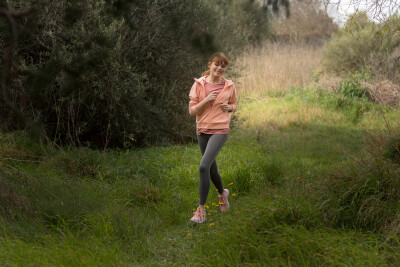
Lastly, I encourage patients to move daily, preferably outside in nature. Many know the physical benefits of activity, but there are also significant emotional benefits. Despite what many of my patients first think, this does not have to be high cardiovascular activity. Walking, tai chi, or gentle chair yoga are all forms of movement that can help improve mood. Taking movement outdoors adds the extra benefits of being in nature and increased vitamin D. Movement is an important part of overall health, so much so that our clinic has started a “Walk for the Health of It” program where patients meet with one of our providers to walk outside as a group. The community aspect is an extra positive factor that also promotes healthy mood.
I see a wide variety of patients. Some live with severe and persistent mood disorders. Others are referred for situational grief or traumatic events. For these patients, these practices are beneficial in managing the painful emotions they will be processing. Many of my patients live with co-occurring physical health problems, which can also benefit from these practices. Regardless of their presenting issue, it is incredibly empowering for patients to learn what they can do themselves to help improve and regulate their own mood.
About the Author: CJ Weber

Also on Integrative Practitioner

Dental Danger: Signs of Sleep Breathing Disorders in children and Adults, Learn the Visual Clues
Non-Member Price: $30.00 Member Price: $18.00 – 40% Off for Members Only Add to Cart Presented by: Mark Breiner, DDS,...

Integrative and Comprehensive Approach to Inflammatory Bowel Disease
Non-Member Price: $30.00 Member Price: $18.00 – 40% Off for Members Only Add to Cart Presented by: Ronald Hoffman, MD,...

Measuring Biology vs. Symptomatology: The Fully Integrated Functional Wellness Program
Non-Member Price: $30.00 Member Price: $18.00 – 40% Off for Members Only Add to Cart Presented by: Dane Donohue, DC...

Change Your Genes, Change Your Life
Non-Member Price: $30.00 Member Price: $18.00 – 40% Off for Members Only Add to Cart Presented by: Kenneth Pelletier, PhD,...

Guided Imagery – Efficacious, Portable, Scalable, User-Friendly, Self-Administered
Non-Member Price: $30.00 Member Price: $18.00 – 40% Off for Members Only Add to Cart Presented by: Belleruth Naparstek, ACSW...