




Approaching depression and anxiety with traditional medicines
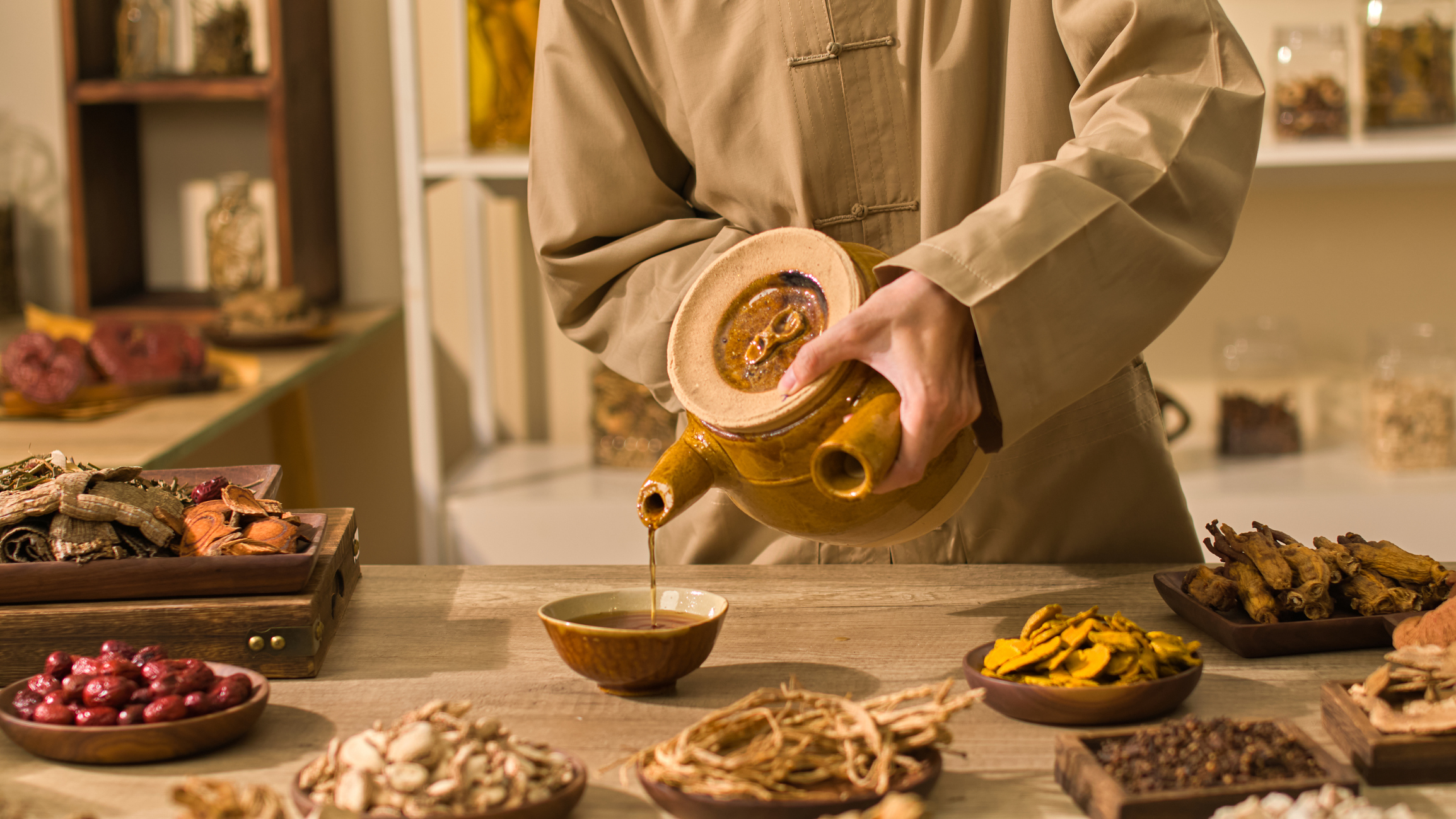
Photo Cred: SHVETS Production/Pexels
By Melissa Carr, BSc, DrTCM
Like many other healthcare providers, I’ve noticed a drastic uptick in the number of patients I’m treating with depression and anxiety as either their primary issue or as a main contributor to the other chief complaints they are experiencing. Of course, mental health is a chronic, year-round concern. But external factors such as a shift into the colder and darker seasons and increased pressures from work and school commonly results in an increase in depressive states paired with anxiety. Add in pandemic-related factors, and it’s easy to see why our patients are overwhelmed.
Sadness, Grief, and Letting Go
Though depression and anxiety are complex issues with a variety of possible causes, if sadness, grief, and issues with letting go are dominant expressions of the patient’s depression, I will first assess the Lungs and Large Intestines. 2020 and 2021 have brought about some major changes, causing many of the cases of depression that I have seen lately focused on dealing with loss.
In addition, in Traditional Chinese Medicine (TCM), the fall season is related to the Lungs and Large Intestines. When the trees drop their leaves and the soil prepares for winter, the principle of “letting go” becomes more dominant in our lives. As anyone who has experienced loss knows, letting go is one of the more difficult things to do. It can feel painful, even physically so, and it can trigger or amplify feelings of anxiety and depression.
When I see patients in clinic experiencing these emotions, I try to explain TCM’s understanding that the physical, emotional, mental, and spiritual aspects cannot be separated. They are interwoven. When I acupunctured Lung channel points for a patient who reported only the physical pain of extensor pollicis longus tendonitis, and they later reported that they spontaneously started to cry about past losses when they got home, I was not surprised. When a patient told me about their deep and long-standing grief over the loss of a child, I saw how that contributed to their development of eczema, as the Lungs are connected to the skin. And, when someone told me about their asthma, allergies, and inflammatory bowel disease, I understood how it could be related to the trauma their parents experienced being displaced from their home country.
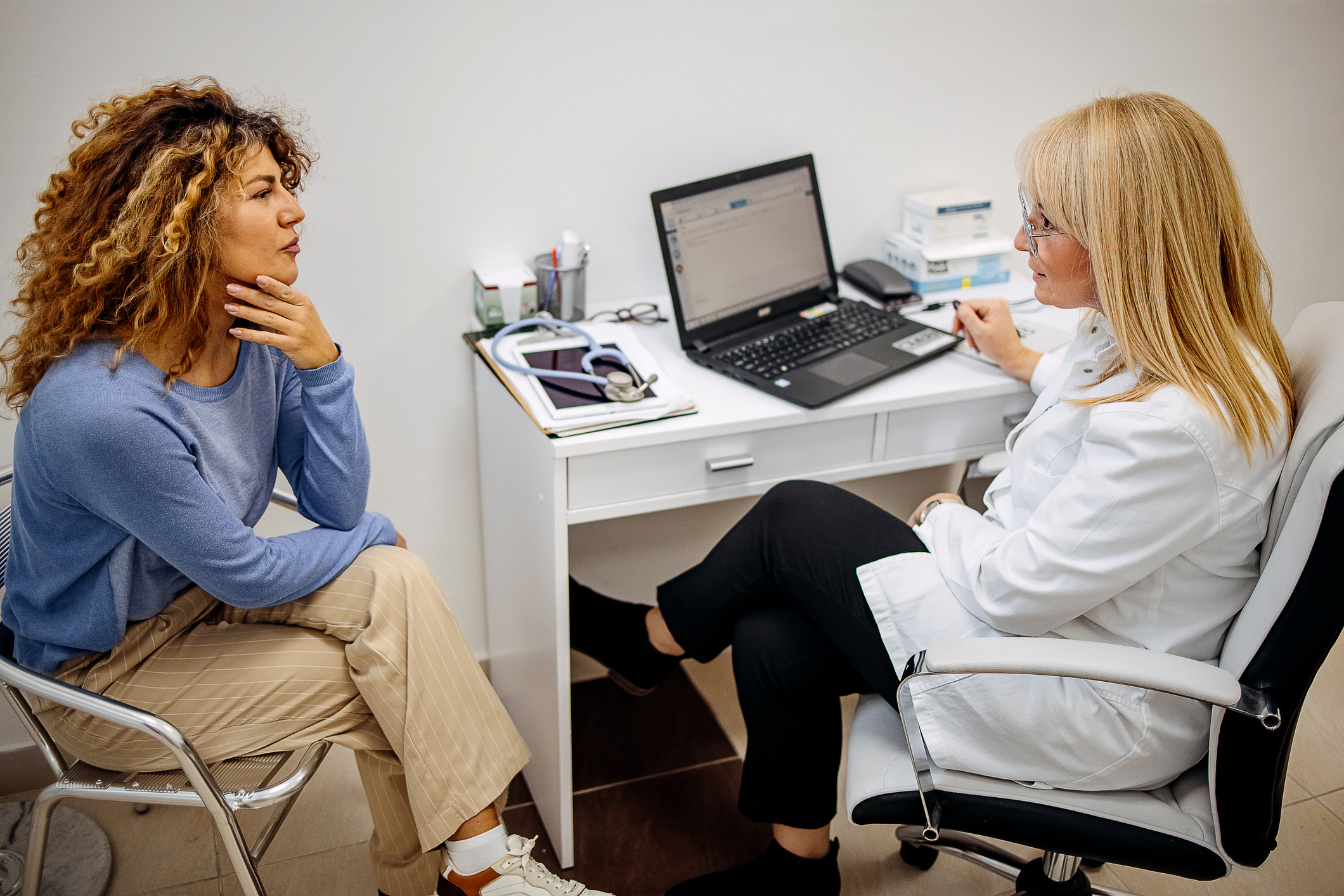
As a TCM practitioner, I can offer an empathetic ear and referral to a counsellor for deeper emotional work, but I strive to uncover relevant emotional connections so that I can address them with acupuncture, herbs, nutrition, or lifestyle recommendations.
TCM Lungs and Large Intestines and Depression
The Lungs are known as the “delicate organ,” as they can be accessed through the mouth or nose via the trachea, and they are protected mainly by mucus and hairs that filter entering particles. It’s for this reason that colds and flus commonly attack the respiratory system, causing sore throat, runny nose, sneezing, and coughing. Those with depression commonly struggle with frequent illnesses or infections that won’t clear. Of course, part of that is also that the emotional stresses create a dominant sympathetic nervous system state that suppresses the immune system’s ability to react. According to TCM principles, weakening of the Lung Qi is also one of the reasons why COVID long-haulers are struggling with depression.
If Lung Qi deficiency is part of the patient’s condition, they may present with fatigue, shortness of breath, pallor, weak voice, weak cough, weak or altered sense of smell, spontaneous daytime sweating, aversion to cold, a weakened or altered immune response, sensitive skin, sadness, and grief. For this, the acupuncturist can select points along the Lung channel, particularly LU1 (the Front Mu point of the Lung), LU7 (the Luo-Connecting point of the Lung), and LU9 (the Lung’s Shu-Stream and Yuan point). I often also include Yintang, DU20, REN17, or HT7 to address the depression and anxiety more directly. Ear seeds can be done on Shenmen, lungs, heart, sympathetic point, and point zero.
Bu Fei Tang (Tonify the Lungs Decoction) and Yu Ping Feng San (Jade Windscreen Powder) can help strengthen Lung Qi and consolidate the exterior defensive system, helping to prevent catching colds if Lung Qi deficiency is present. The herb dang shen (Radix codonopsis) can sometimes be substituted for ren shen (Panax ginseng) and it is much less expensive, but ginseng has a stronger action, so should be used for more serious deficiencies. To address the emotional aspects of sadness, grief, and depression, calm the Spirit herbs such as he huan pi or yuan zhi may be included.
For those experiencing depression as well intestinal issues like diarrhea or constipation, it’s also important to address the digestive system. If the issue is the inability to let go, with someone holding onto grudges, always trying to relive the past, or hoarding belongings, and if constipation is also an issue, then the calm Spirit herb bai zi ren may be helpful, along with herbs that promote bowel movements like da huang, huo ma ren, or yu li ren. For diarrhea, it is also valuable to support the Spleen Qi with a formula like Shen Ling Bai Zhu San or herbs like bai zhu and fu ling, while also selecting some astringing herbs like wu wei zi or lian zi.
Case Study
Jenn is a 33-year-old woman whose main complaint was insomnia. For three months, she would wake at 3 a.m. to 4 a.m. and be unable to return to sleep. According to TCM, 3 a.m. to 5 a.m. is related to the Lung system. In the fall of 2020, her long-term partner broke up with her and she had to move out, taking their dog with her. Unfortunately, the dog was ill and passed not long after. In the spring of 2021, the restaurant she was working at closed and she had to find new employment. Jenn describes herself as being positive, outgoing, and active, but as she told her story, she broke into tears, something she said she never does.
This is when I knew the healing would begin. Suddenly, the stoic façade crumbled, and Jenn told me that she hadn’t told anyone that she had been struggling with depression, shortness of breath, spontaneous sweating, constipation, and extreme fatigue. She also admitted that she had been unable to get motivated to find a new job and had used the excuse of pandemic to avoid doing anything social with her friends and family.
While some might think that ginseng is a stimulating herb, it is not. It is a Qi tonic and adaptogenic, and when someone is so tired that they cannot sleep, it might be the right herb to include. I prescribed Shen Mai San and added bai zi ren, huo ma ren, he huan pi, yuan zhi, and ling zhi. For acupuncture, I chose all the points listed above and put ear seeds on shenmen. I also encouraged Jenn to speak to a counsellor or at least share how she’s feeling with trusted friends or family members. Though chronic or severe depression is not easy to treat quickly, even after just the first couple of appointments, Jenn started to feel like herself again and she’s now committed to allowing herself to express her grief so that she can heal.
About the Author: CJ Weber

Also on Integrative Practitioner

Dental Danger: Signs of Sleep Breathing Disorders in children and Adults, Learn the Visual Clues
Non-Member Price: $30.00 Member Price: $18.00 – 40% Off for Members Only Add to Cart Presented by: Mark Breiner, DDS,...

Integrative and Comprehensive Approach to Inflammatory Bowel Disease
Non-Member Price: $30.00 Member Price: $18.00 – 40% Off for Members Only Add to Cart Presented by: Ronald Hoffman, MD,...

Measuring Biology vs. Symptomatology: The Fully Integrated Functional Wellness Program
Non-Member Price: $30.00 Member Price: $18.00 – 40% Off for Members Only Add to Cart Presented by: Dane Donohue, DC...

Change Your Genes, Change Your Life
Non-Member Price: $30.00 Member Price: $18.00 – 40% Off for Members Only Add to Cart Presented by: Kenneth Pelletier, PhD,...
Guided Imagery – Efficacious, Portable, Scalable, User-Friendly, Self-Administered
Non-Member Price: $30.00 Member Price: $18.00 – 40% Off for Members Only Add to Cart Presented by: Belleruth Naparstek, ACSW...