










Parkinson’s psychosis and homeopathic integration
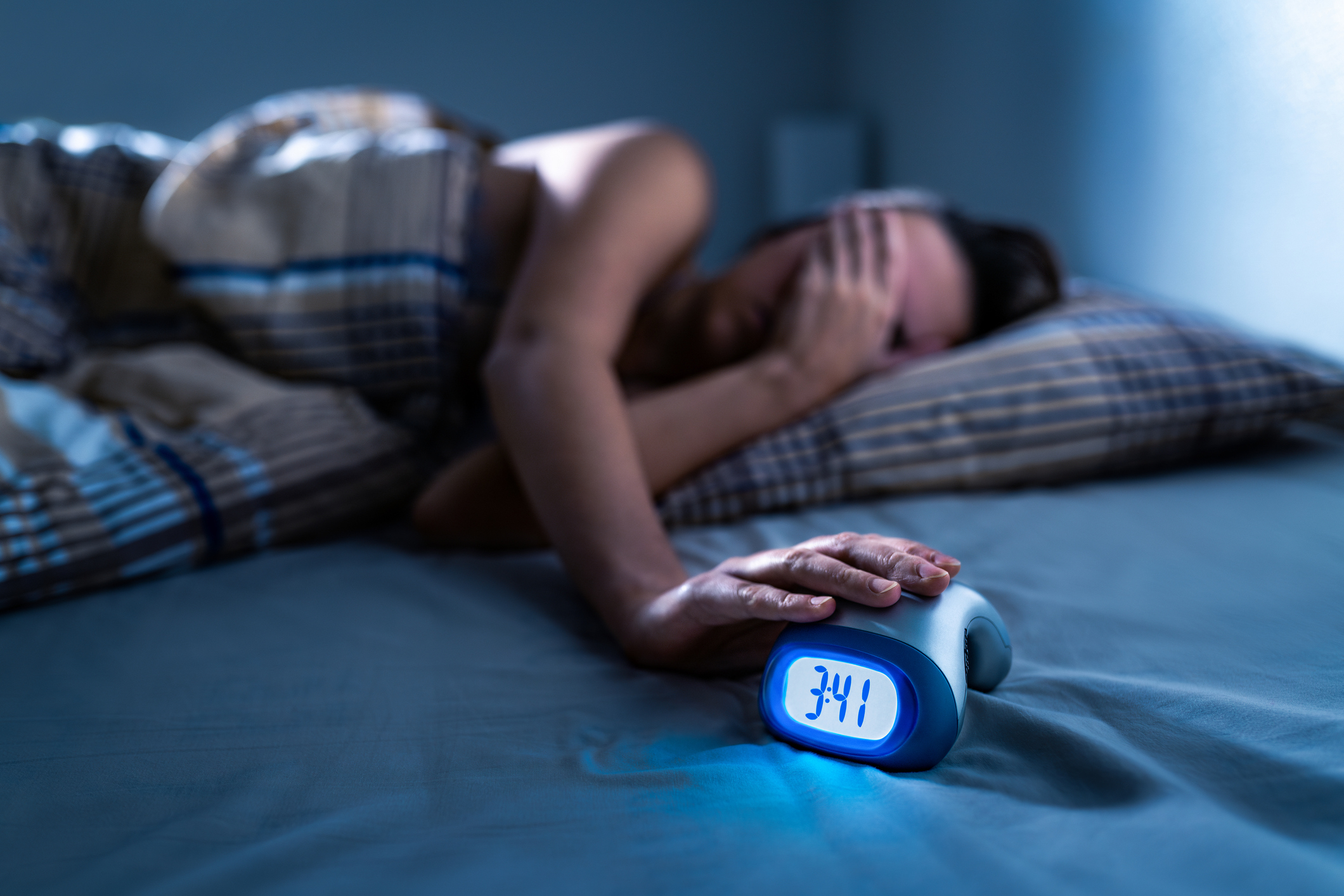
Photo Cred: Damir Bosnjak/Unsplash
By Nancy Gahles
Investigation into neuropsychiatric symptoms in Parkinson’s disease (PD) is sparse and current drug development is mainly focused on the motor aspect of PD, according to a recent article in the journal Parkinson’s Disease.
Readily available knowledge on distinct clinical features as well as early biomarkers of psychosis in PD justifies the potential for its timely diagnosis and for early intervention strategies, the study states, calling out the dearth of information and access to options for management of this disease.
Timely diagnosis and early intervention strategies are called for as, according to Reuters Health, Parkinson’s disease may have become more common over the past 30 years. The Parkinson’s Foundation statistics notes that approximately 60,000 Americans are diagnosed with PD each year with an estimate of 4 percent of people diagnosed before age 50. The baby boomer population has its youngest members at age 54. Since PD increases with age, it stands to reason that we are faced with an aging population who will be chronically affected by this disease and it’s comorbidities in numbers that outpace the research into one of the most devastating aspects, psychosis.
The abstract referenced above notes that there is a “tight association of psychosis with an impaired quality of life in PD.”
It goes on to say that there is an important underreporting of this comorbid condition. One explanation could be that the visual hallucinations that occur as a result of the loss of dopaminergic neurons in the brainstem linked to visual pathways are considered benign. They are classified as minor and non-minor hallucinations.
The research article describes them in more detail, however, for practitioners who see PD patients or the families who care for them, we are likely familiar with the reports of spots before the eyes, of bugs crawling on the walls or floors, cats walking across the table, a band playing outside the window or a conversation taking place outside the room. The patient may report these symptoms as bothersome, but they occur with “preserved insight,” which means the patient knows they are not real. This may lead to underreporting due to its minor impact on the patient.
It was at this point that I found myself caring for both the patient and the caregivers who found themselves in unfamiliar terrain, terrifying in its intensity, with no options to manage their mother’s psychosis other than to lower the dosage of the medications that control the motor symptoms of PD, the side effects of which are hallucinations. Her doctors indicated that the progression of the severity of the psychosis was in alignment with morbidity and they initiated a palliative care program.
Lowering the medication dose left her with increased pain from the rigid muscles, cramping, resting tremors, blood pressure fluctuations, and the loss of balance, which increased her fall risk. It did not help with the raging hallucinations, insomnia, anger, and aggression. This led me to believe that the pathophysiologic process of her PD psychosis was intrinsic, neurotransmitter dysfunction related and not extrinsic, and a direct result of the use of pharmacological agents such as the drug she was taking.
My case management included a homeopathic intervention to address the psychotic symptoms as well as the general motor and non-motor symptoms of PD. It is not unusual for a homeopath to be consulted when there is nothing left to do within the conventional medicine paradigm. This does not mean that there is no collaboration with the medical professional in charge of the case. Indeed, here is where the rubber meets the road in terms of an actual integrated experience for the whole care team, including the family members.
Homeopaths have a well-documented history of success in treating people with mental health problems and current trends indicate that by 2020 mental health problems will contribute to 15 percent of the global disease burden.
Homeopathic intervention in the case of my patient with PD psychosis began according to standard homeopathic procedure. An initial exam included the totality of symptoms, body, mind, and spirit, and revealed the general symptoms related to the motor and non-motor pathology of Parkinson’s.
The differentiation in the case was to be seen in the hallucinations and delusions that were severely disrupting her quality of life and that of her caregivers. Severe agitation and insomnia were noted along with her crying in pain and begging to die.
Her daughter told be she wanted to go home and see her mother and asked them to kill her. Her paranoia ran the gamut from accusations of her daughter stealing money from her, to rage filled screaming at her aides to get out, to accusing them of plotting behind her back. The agitation reached a crescendo of severe restlessness prompting her to get out of bed and recklessly walk about going from place to place.
Her lack of balance, sleeplessness and delusions put her in severe jeopardy of falling. She was screaming, clutching her chest, and reliving past childhood traumas where her mother had died, her father was abusive, and she was separated from her sisters and put into several foster homes. The cramping of her jaw muscles exacerbated after lowering the PD medication causing her to scratch and pull at her face in agony while drooling excessively. Her blood pressure went up significantly and the family members had her admitted to the hospital.
Based upon these symptoms and her family history of trauma, I prescribed a homeopathic remedy, Arsenicum Album. It is beyond the scope of this article to give the entire materia medica on this element, it was the similimum in this case, the medicine that most closely matched the state that she is suffering in.
The mind symptoms in the Materia Medica of Homeopathy for Arsenicum include her many fears of disease, robbers, poverty, preoccupation with death, as well as tremendous restlessness, anguish driving her from place to place, anxiety about her health, and needing lots of reassurance. She has a dependence on other people despite her continuing to tell them that it is impossible for them to do any good. The physical symptoms of chest pain, sleeplessness, ear noises, vision disturbances, mouth dryness, burning pains, musculoskeletal pain, and rigidity were also covered by this remedy.
She was given a single dose of 30c potency. That evening her daughter reported that she fell asleep for 30 minutes immediately after taking the remedy. The hallucinations decreased. Daily doses of the remedy yielded more sleep, less agitation, restlessness, and delusions.
The brilliance of homeopathic medicine is that it can work together with pharmaceuticals while initiating deep healing. In this case, her hallucinations were resolved within a week of taking the remedy and her sleep was greatly improved. Her daughter also reported that she had gained awareness and forgiveness to her father. Emotional healing is a key component to homeopathic medicine.
Psychosis is a break, a fracture, of your mind. Homeopathic medicine heals the break and allows for reintegration of the components to facilitate a return to health on all levels, mind, body, emotion and spirit.
I made a home visit a few weeks after the remedy had been working. She looked remarkably well, was in total control of her mind. She told me that she doesn’t remember much of anything, including screaming at the aides or throwing them out. She now wants the aides and is welcoming of them, gratefully. She told me that she knows she needs them and doesn’t want to disturb what is working.
She is back to her old way of sleeping, not getting up and screaming. Her blood pressure is stabilized and she is off medication. She has no edema or weeping of her legs, no paranoia, no hallucinations, no drooling. Her appetite is great, and vitality is evident.
I offer this case to give practitioners who deal with PD perspective on the integrative practice opportunities that exist within the spectrum of homeopathic medicine. All disease carries with it an emotional component. Homeopathic medicine is the only system that I know of that effectively engages all levels of healing. It can be comforting to offer homeopathic remedies when managing a chronic case with comorbidities. Healing often takes time and quality of life is very important. If we can alleviate suffering in any aspect, then we can sleep at night knowing we have done our best. That is what compassionate healthcare is all about.
About the Author: CJ Weber

Also on Integrative Practitioner

Dental Danger: Signs of Sleep Breathing Disorders in children and Adults, Learn the Visual Clues
Non-Member Price: $30.00 Member Price: $18.00 – 40% Off for Members Only Add to Cart Presented by: Mark Breiner, DDS,...

Integrative and Comprehensive Approach to Inflammatory Bowel Disease
Non-Member Price: $30.00 Member Price: $18.00 – 40% Off for Members Only Add to Cart Presented by: Ronald Hoffman, MD,...

Measuring Biology vs. Symptomatology: The Fully Integrated Functional Wellness Program
Non-Member Price: $30.00 Member Price: $18.00 – 40% Off for Members Only Add to Cart Presented by: Dane Donohue, DC...

Change Your Genes, Change Your Life
Non-Member Price: $30.00 Member Price: $18.00 – 40% Off for Members Only Add to Cart Presented by: Kenneth Pelletier, PhD,...

Guided Imagery – Efficacious, Portable, Scalable, User-Friendly, Self-Administered
Non-Member Price: $30.00 Member Price: $18.00 – 40% Off for Members Only Add to Cart Presented by: Belleruth Naparstek, ACSW...