








Treating stress and overwhelm with Avena sativa
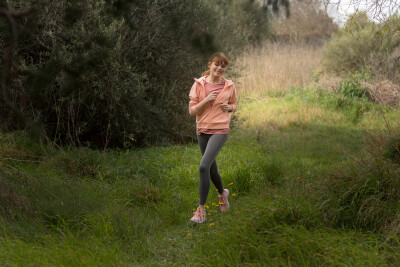
Photo Cred: Nikolay Osmachko/Pexels
By Liz Gold
Milky oat tops and oat straw — both part of the herb Avena sativa — are the supreme nervines for overworked, overwhelmed, and exhausted individuals, according to both Kelsey Barrett, CCH, in San Diego, who serves as director of herbal education at the virtual Verse School of Herbal Medicine and Matthew Alfs, MH, RH, in New Brighton, Minn., founder and director of Midwest School of Herbal Studies.
They’re particularly potent for some of the most common — yet troubling — conditions plaguing people today: mental and emotional overwhelm, overstimulation, and what people commonly refer to as being “burnt out,” agreed Barrett and Alfs.
“This is the herb of our modern time and I think everyone should be taking it,” Barrett said.
Milky oat tops are the green, ripe tops of Avena sativa, with the milk being the white sap within the top, according to Alfs. Oat straw consists of the stems and leaves of the plant, which are harvested while still green.
As nervines, both milky oat tops and oat straw support the nervous system, which can become compromised due to lifestyle habits such as skimping on sleep, working around the clock, and engaging in excesses of all kinds, said Alfs.
It’s also used to support people who are prone to jumpiness, fear, and an overall heightened reactivity to external stimuli, said Barrett.
Alfs uses milky oat tops for conditions ranging from emotional overwhelm to sexual dysfunction to withdrawal from substances like nicotine and prescription morphine. He said that Avena sativa is an exceptionally gentle herb that can be safely used by almost anyone.
Barrett said that the only contraindication for milky oat tops is for those who are gluten sensitive. To minimize a gluten reaction, she recommends taking it in an alcohol tincture.
Alfs frequently recommends milky oat tops for people with so-called “Type-A” personalities, including people with demanding professions, like teachers and ministers.
“They [may] have a strong constitution and feel they can get away with not getting enough sleep and doing everything in excess. But none of us are superheroes. We’re not like the energizer bunny, and eventually, we start to run down,” said Alfs.
In a 2015 paper in International Journal of Phytotherapy researchers described how Avena sativa extract had a significant positive impact on the nervous system and mood, especially when low mood was associated with nervous exhaustion. Further, it helped improve sleep duration and quality in cases where the person was “literally too tired to sleep,” a phenomenon frequently referred to as being “wired and tired.”
Avena sativa — which also includes the oats people commonly eat for breakfast — supports the nervous system in a few critical ways.
Milky oat tops, which both Barrett and Alfs use more regularly than oat straw for shattered nerves, work by rebuilding the myelin sheath around the nervous system, according to Barrett.
The myelin sheath is the insulating layer around nerve cells that both protects and allows them to communicate effectively Barrett explained, noting that people with nervous system conditions often have myelin sheaths in various states of degradation.
The ability of milky oat tops — also called oat seed — to heal the nerves goes as far as supporting nerve repair in rats with experimental sciatic nerve injury, according to a 2020 study published in Archives of the Razi Institute.
According to Barrett, oat straw is a nutritive herb that’s high in trace minerals and vitamins which support nervous system health. These include b-vitamins, silica, phosphorous, and magnesium.
As such, milky oat tops and oat straw when taken together, work on the nervous system with a multi-pronged approach, Barrett said.
“When we combine the mineral-rich elements from the oat straw with the sap of the milky oat tops, we have a holistic nourishment for the nervous system,” explained Barrett.
The active component of milky oat tops is the white sap that gives the herb its name, according to both Barrett and Alfs. To be effective, the tops must be harvested during a narrow window of time — when the sap has formed but hasn’t dried out yet, making it important to get them from a reputable provider.
Both milky oat tops and oat straw can be taken in tincture form or as an infusion. To make an infusion, pour hot water over the herbs in a container and let it steep overnight, advised Barrett. Steeping them for at least eight hours makes the minerals more readily available.
Barrett often recommends both milky oat tops and oat straw. Whether using a tincture or infusion, she’ll advise clients to take it daily for at least three months.
She considers oat straw to be best when taken as an infusion and often combines it with other nutritive herbs such as alfalfa and nettles. However, she noted that it can be beneficial to take one herb at a time to observe its effects.
Alfs primarily works with tinctured milky oat tops and combines them with other nervines such as skullcap. For patients with nervous exhaustion, he frequently advises taking it three times a day for a time period specific to their needs. For conditions such as substance withdrawal, he’ll often advise taking it every few hours.
Both practitioners agree that Avena sativa is as abundant and easy to grow as it is safe and effective, making it one of the most versatile herbs available.
 Brittany Vargas is a writer, trauma-informed journalist, and holistic healing practitioner who is passionate about mind-body medicine. She has held diverse roles in the communications field and has reported on wellness, travel, culture, lifestyle, and local news. As a copywriter, she helps conscious companies, lifestyle entrepreneurs, nonprofits, and Fortune 500 companies grow their audiences and influence. Brittany has a fifteen-year-long yoga and meditation practice and is an avid student of several complementary medicine modalities.
About the Author: CJ Weber

Also on Integrative Practitioner

Dental Danger: Signs of Sleep Breathing Disorders in children and Adults, Learn the Visual Clues
Non-Member Price: $30.00 Member Price: $18.00 – 40% Off for Members Only Add to Cart Presented by: Mark Breiner, DDS,...

Integrative and Comprehensive Approach to Inflammatory Bowel Disease
Non-Member Price: $30.00 Member Price: $18.00 – 40% Off for Members Only Add to Cart Presented by: Ronald Hoffman, MD,...

Measuring Biology vs. Symptomatology: The Fully Integrated Functional Wellness Program
Non-Member Price: $30.00 Member Price: $18.00 – 40% Off for Members Only Add to Cart Presented by: Dane Donohue, DC...

Change Your Genes, Change Your Life
Non-Member Price: $30.00 Member Price: $18.00 – 40% Off for Members Only Add to Cart Presented by: Kenneth Pelletier, PhD,...
Guided Imagery – Efficacious, Portable, Scalable, User-Friendly, Self-Administered
Non-Member Price: $30.00 Member Price: $18.00 – 40% Off for Members Only Add to Cart Presented by: Belleruth Naparstek, ACSW...