











Herbs and nutrients supporting detoxification
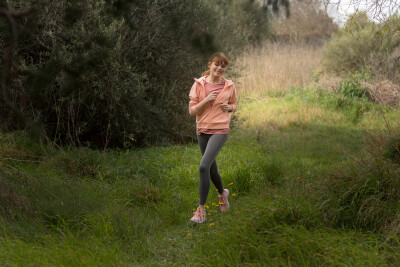
Photo Cred: Evie S./Unsplash
By Carolina Brooks, BA, IFMCP
I often get inquiries from prospective patients who tell me they want to start a heavy metal detoxification protocol, or that they need herbs for parasites immediately. I have observed amongst this cohort a strong belief that an aggressive approach will yield results. However, this is not an appropriate starting point, and the first thing we must do is optimize emunctorial function, particularly if colonic motility is sluggish, microbiome diversity is negatively impacted, and immune function becomes dyreregulated, which impacts adaptation response and increases risk of pathogenesis of chronic disease. Ensuring proper hydration and increasing both soluble and insoluble fiber in the diet can support proper bowel function.
Emunctories are our organs of elimination. Identified by multiple traditional medicine systems including Ancient Greco-Roman medicine, Ayurveda, and Traditional Chinese Medicine (TCM) to the present day, emunctories are crucial to maintaining homeostasis and avoiding pathogenesis of disease through the regulation of metabolic activity and efficient drainage of waste materials. Although we often focus on the gut as our primary organ of elimination, other primary emunctories include the liver, skin, the lungs, and kidneys, considered the most efficient routes of elimination, while secondary emunctories traditionally include the pancreas, stomach, lymphatic system, spleen, and mucosal surfaces.
Allopathic medicine does not emphasize the importance of sweating for detoxification, but a 2019 review in Temperature discussed a series of studies which compared levels of environmental toxicants in blood, sweat, and urine, and found that higher concentrations of persistent organic pollutants, heavy metals, bisphenol A (BPA), and phthalate were excreted in sweat. In some cases, these chemicals were completely absent in urine and blood, which could indicate a potential preferential excretion via the skin to reduce body burden . A naturopathic approach would encourage exercise and the use of a sauna to stimulate sweating. Thermogenic herbs and spices which increase body temperature and encourage sweating include cayenne pepper (Capsicum minimum), ginger (Zingiber officinale), and green tea (Camellia sinensis).
The lungs inhale toxic compounds, act as a physical barrier, and provide defense against airborne inhaled substances, but the pulmonary epithelium also plays a significant role in biotransformation of xenobiotics, which can on occasion lead to the production of more toxic metabolites.
A 2005 review in Experimental and Toxicologic Pathology discussed how lung tissue can activate procarcinogenic polycyclic aromatic hydrocarbons into more reactive intermediates. Herbal actions that can support lung health include antihistamine and antioxidant compounds to modulate the inflammatory response, mucilaginous and spasmolytic herbs to reduce airway irritation, and expectorants which can reduce congestion. Key herbs include eucalyptus (Eucalyptus globulus) for its expectorant properties, plantain leaf (Plantago major) as a demulcent and anti-inflammatory, elecampane (Inula helenium) contains inulin which relaxes tracheal muscles, and chaparral (Larrea tridentata), a key herb in Native American medicine, with antihistaminic properties, which contains nordihydroguaiaretic acid (NDGA).
A 2020 review article in Frontiers in Pharmacology described NDGA’s powerful antioxidant and antimutagenic activity, but also discussed the potentially toxic effects of this compound with prolonged or high dosing of this plant compound. Teaching patients good deep breathing methods can also help with improving function.
The liver is our main organ of detoxification. I encourage patients to increase bitter foods in the diet, and to increase sulfurous compounds such as brassica and allium family vegetables due to sulfur’s role in both phase one and phase two liver detoxification, and bile production. Key medicinal plants to support the hepatobiliary drainage system include black radish (Raphanus niger), artichoke (Cynara scolymus), rosemary (Rosmarinus officinalis). A 2014 review in Phytotherapy Research looked at traditional use of black radish in Mexican traditional medicine as this plant contains antioxidant glucosinolates that dissolve gallstones and reduce cholesterol levels.
Birch (Betula pubescens) supports hepatorenal drainage, so additionally supports excretion of hydrophilic toxins via the kidneys. Other kidney supportive herbs include dan shen (Salvia militorrhiza), Chinese rhubarb (Rheum officinale), and astragalus (Astragalus membranaceus), which has traditionally been used for kidney disease to reduce serum creatinine and proteinuria. A 2018 nationwide retrospective population-based cohort study looked at a combination of these three herbs and concluded that use of Chinese herbal medicine in chronic kidney disease improved long-term survival rates. Other practices which have traditionally been used to support detoxification include acupuncture, cupping, and massage.
Alteratives are skin purifiers which also often support pancreatic function, include burdock (Arctium lappa), and agrimony (Agrimonia eupatoria), while our key lymphatic herbs which also clear the mucus membranes, include poke root (Phytolacca decandra, Queen’s root (Stillingia sylvatica), wild indigo (Baptisia tinctoria), and cleavers (Galium aparine), which can be used alongside more physical naturopathic practices such as body brushing and lymphatic drainage massage.
If there is dysfunction in the primary emunctories, the body will then attempt to compensate by using the secondary emunctories, which are less efficient as this is not their primary role, which can then result in a systemic inflammatory response, or a more generalized inflammatory response affecting specific tissues such as the gut, sinuses, skin, or lungs, as well as fatigue and initiation or exacerbation of chronic disease.
References
Baker L. B. (2019) Physiology of sweat gland function: The roles of sweating and sweat composition in human health. Temperature (Austin, Tex.), 6(3), 211–259. Retrieved from: https://doi.org/10.1080/23328940.2019.1632145
Castell, J. V., Donato, M. T., & Gómez-Lechón, M. J. (2005) Metabolism and bioactivation of toxicants in the lung. The in vitro cellular approach. Experimental and Toxicologic Pathology : official journal of the Gesellschaft fur Toxikologische Pathologie, 57 Suppl 1, 189–204. Retrieved from: https://pubmed.ncbi.nlm.nih.gov/16092727/
Castro-Torres, I. G., De la O-Arciniega, M., Gallegos-Estudillo, J., Naranjo-Rodríguez, E. B., & Domínguez-Ortíz, M. Á. (2014) Raphanus sativus L. var niger as a source of phytochemicals for the prevention of cholesterol gallstones. Phytotherapy Research : PTR, 28(2), 167–171. Retrieved from: https://pubmed.ncbi.nlm.nih.gov/23495001/
Huang, K. C., Su, Y. C., Sun, M. F., & Huang, S. T. (2018) Chinese Herbal Medicine Improves the Long-Term Survival Rate of Patients With Chronic Kidney Disease in Taiwan: A Nationwide Retrospective Population-Based Cohort Study. Frontiers in Pharmacology, 9, 1117. Retreived from: https://doi.org/10.3389/fphar.2018.01117
Manda, G., Rojo, A. I., Martínez-Klimova, E., Pedraza-Chaverri, J., & Cuadrado, A. (2020) Nordihydroguaiaretic Acid: From Herbal Medicine to Clinical Development for Cancer and Chronic Diseases. Frontiers in Pharmacology, 11, 151. Retrieved from: https://doi.org/10.3389/fphar.2020.00151
About the Author: CJ Weber

Also on Integrative Practitioner

Measuring Biology vs. Symptomatology: The Fully Integrated Functional Wellness Program
Non-Member Price: $30.00 Member Price: $18.00 – 40% Off for Members Only Add to Cart Presented by: Dane Donohue, DC...

Integrative and Comprehensive Approach to Inflammatory Bowel Disease
Non-Member Price: $30.00 Member Price: $18.00 – 40% Off for Members Only Add to Cart Presented by: Ronald Hoffman, MD,...

Dental Danger: Signs of Sleep Breathing Disorders in children and Adults, Learn the Visual Clues
Non-Member Price: $30.00 Member Price: $18.00 – 40% Off for Members Only Add to Cart Presented by: Mark Breiner, DDS,...

Dietary Needs of the Cognitively Impaired
Non-Member Price: $30.00 Member Price: $18.00 – 40% Off for Members Only Add to Cart Presented by: Laura Rokosz, PhD...

Lifestyle Choices Chart Your Brains Destiny
Non-Member Price: $30.00 Member Price: $18.00 – 40% Off for Members Only Add to Cart Presented by: David Perlmutter, MD,...