







Natural strategies to support the immune system
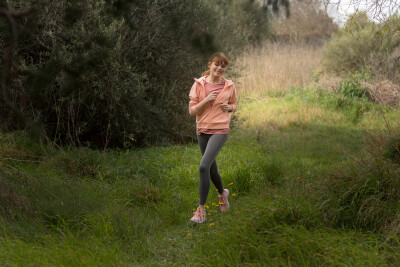
Photo Cred: Chinh Le Duc/Unsplash
By Carolina Brooks, BA, IFMCP
Patients often ask me what they can to support their immune system and what they can take to prevent getting sick. I then have to remind them that their entire protocol is geared around helping them to develop immune resilience, from nutrition to herbal medicine to lifestyle recommendations.
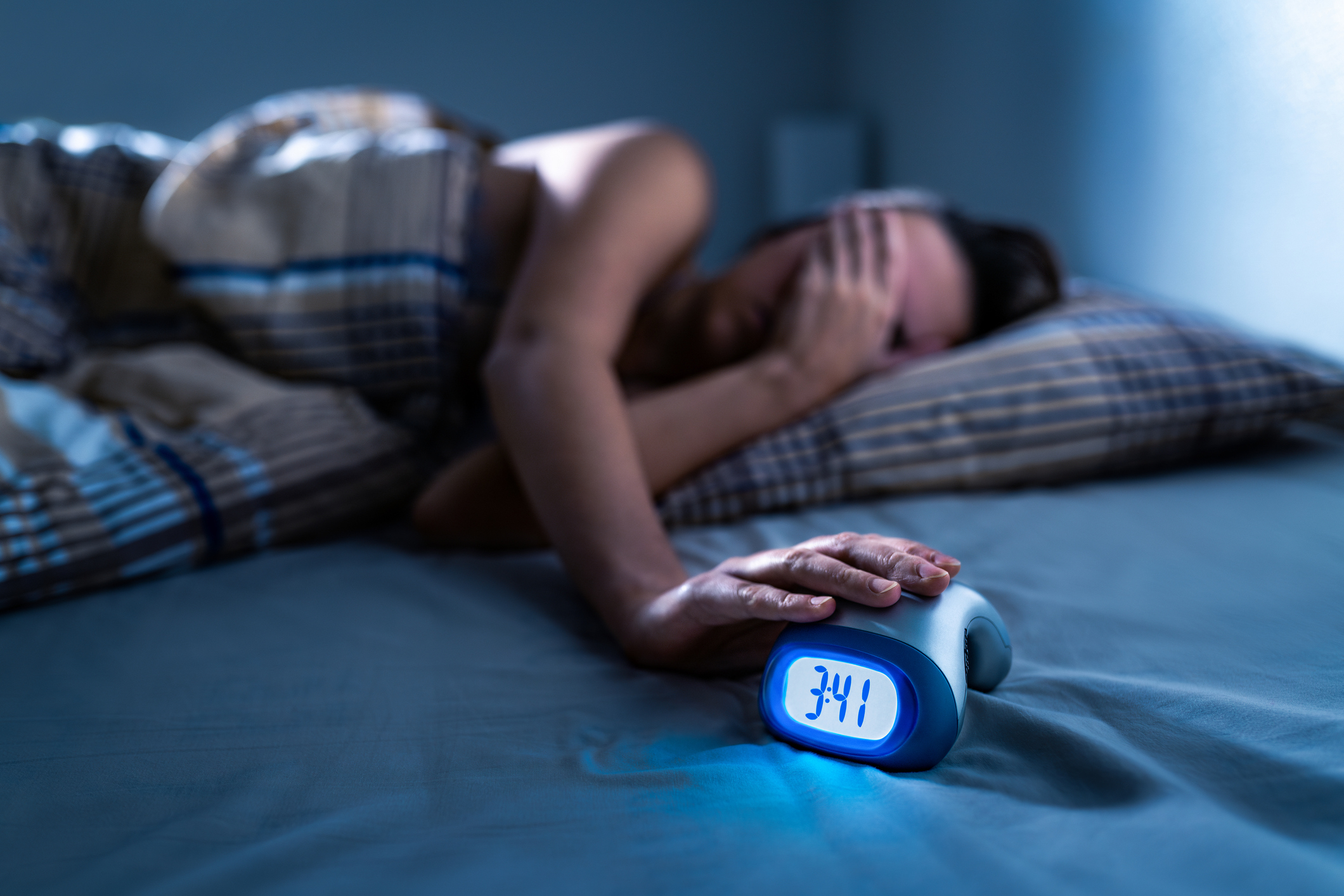
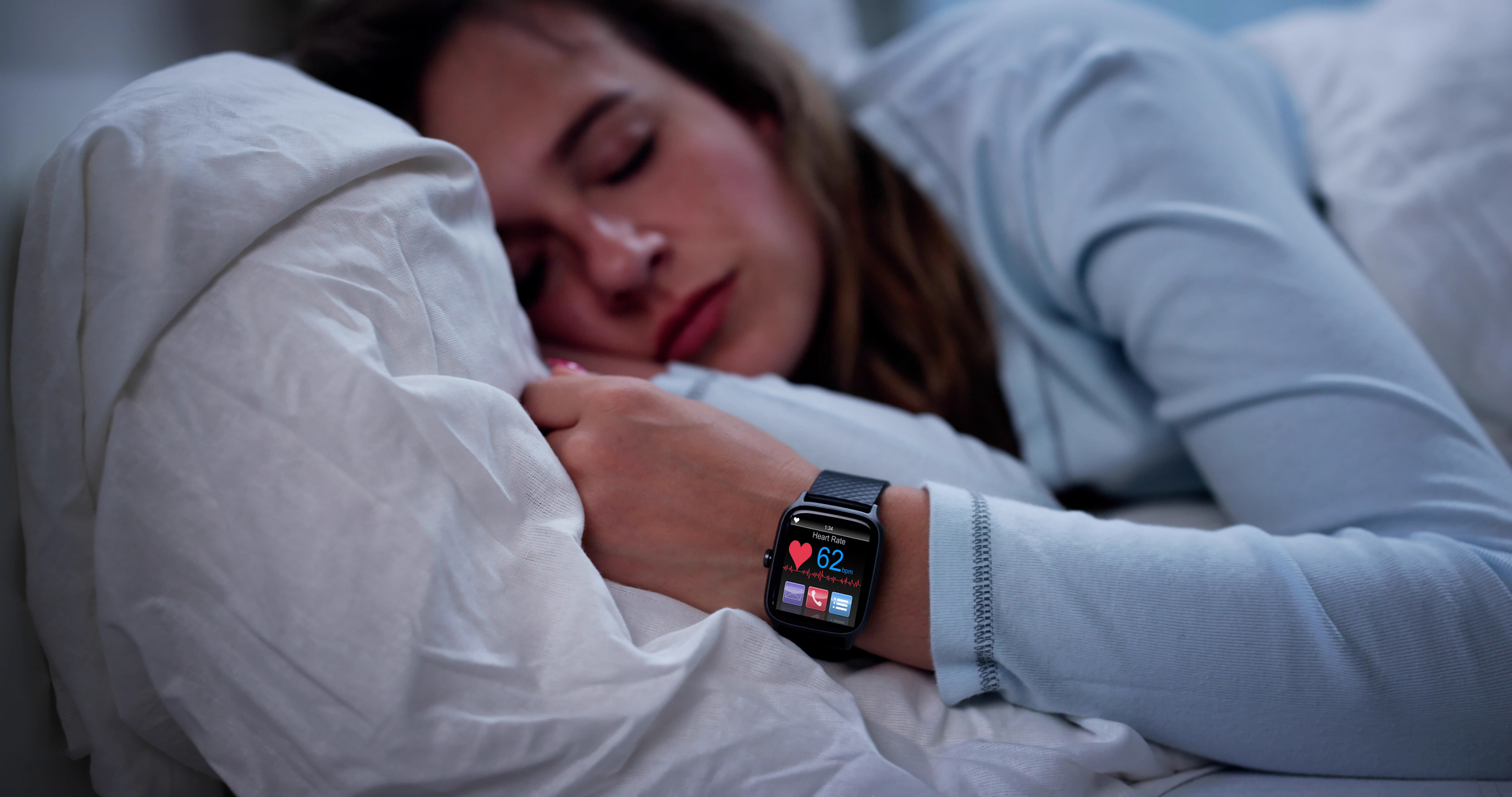
One crucial factor to consider is sleep. If a patient isn’t sleeping, they cannot build immune resilience. A 2012 study in Sleep demonstrated that shorter sleep may negatively impact antibody responses to novel antigens and increase susceptibility to infectious disease, while a 2002 study in JAMA found that sleep-deprived subjects produced less than fifty percent of antibody titers produced by well-rested control subjects after ten days in response to a flu vaccine. Lemon balm (Melissa officinalis) and magnolia (Magnolia officinalis) are incredible nervine herbs but are also strong antivirals, which support healthy sleep and circadian rhythm.
A 1994 paper in Progress in Neuro-Psychopharmacology & Biological Psychiatry demonstrated the impact of chronic, poor stress response and depression on natural killer cell activity. I use adaptogens such as astragalus (Astragalus membranaceus), and reishi (Ganoderma lucidum), not only to support stress response, but to prime innate immunity, our non-specific immune response, and enhance phagocytosis. Other useful compounds which enhance stress and immune resilience include rhodiola (Rhodiola rosea), ashwagandha (Withania somnifera), and Baikal skullcap (Scutellaria baicalensis).
Additionally, a 2017 study in the BMJ demonstrated the importance of maintaining healthy serum concentrations of vitamin D to modulate immune response. It has been shown to reduce susceptibility to acute respiratory tract infection. Further, vitamin D deficiency has also been shown to exacerbate autoimmune disease. Rather than bringing in a high dose supplement, however, consider whether the patient can absorb and utilize a supplement properly. Assess if the patient has gallbladder issues, dysbiosis, or small intestinal bacterial overgrowth which might impede absorption of fat-soluble vitamins, and supplement digestive support accordingly. Optimal stomach acid activity and production is also necessary for protein and key minerals for immune function such as zinc to be assimilated and used correctly.
I also consider foundational microbiome support, especially as the composition of our gut microbiome plays such a crucial role in maintaining local, systemic, and adaptive immune responses, particularly in increasing secretory immunoglobulin A (sIgA), which plays a crucial role in regulating our mucosal immune system and preventing pathogen penetration. Supplementing with strains such as Lactobacillus reuterii or Saccaromyes boulardii, a non-pathogenic yeast, can increase secretory IgA, according to a 2000 comparative study in the Journal of Applied Microbiology.
Supplementing with probiotics may create transient impact but doesn’t always equate to colonization of species. In my clinic, I regularly supplement with short-chain fatty acids and prebiotic fibers to favorably shift microbiome composition and increase diversity of beneficial species. A fiber and phytonutrient-rich diet will also increase microbiome diversity, as well as culinary spices such as star anise (Illicium verum), turmeric (Curcuma longa), ginger (Zingiber officinalis), and herbs such as rosemary (Rosmarinus officinalis) and thyme (Thymus vulgaris) for their antimicrobial activity.
A 2016 review in Nutrients discussed the role of vitamin A in increasing secretory IgA levels and induce immune tolerance and balance differentiation between Type 1 T helper (Th1), Type 2 T helper (Th2), and Type 17 T helper (Th17) cells. I often use short-term, high dose strategies, up to 80,000 international units daily for one to two weeks with patients.
It’s also important to consider the role of hyperthermia or fever in regulating our immune response to overcome infectious illness. Traditional medicine practices have often involved the induction of fever through sweating in saunas, sweat lodges, or hot water baths to treat febrile illnesses, yet the idea of fever induces panic in many people. Today, we can access infra-red saunas or biomats at home easily. Our immune system works optimally at febrile temperatures, including the expedition of biochemical reactions, including proliferation and maturation of white blood cell activity, as discussed in a 2015 review paper in Nature Reviews Immunology. In herbal medicine, these actions can be supported by using cooling diaphoretic herbs taken as hot teas and tinctures, such as yarrow (Achillea millefolium), peppermint (Mentha x piperita), elderflower (Sambucus nigra), in combination with replenishing electrolytes and ensuring adequate hydration. Glutathione, colloidal silver, and herbal essential oils can also be nebulized, although this practice should only be recommended if a clinician is well-versed in this methodology.
I’ve also found strategies such as hyperbaric oxygen therapy helpful for patients looking to regulate immune response, and frequency specific microcurrent has helped me significantly when I have treated myself when I’ve felt like I’ve been on the cusp of coming down with a seasonal illness. Coming out of the holiday season and heading in to the New Year, it’s also worth reminding patients of the negative impact that alcohol and sugar have on immune function.
References
Bono, M.R., Tejon, G., Flores-Santibañez, F., Fernandez, D., Rosemblatt, M., and Sauma, D. (2016) Retinoic Acid as a Modulator of T Cell Immunity. Nutrients. Retrieved from: https://www.mdpi.com/2072-6643/8/6/349#cite
Evans, S.S., Repasky, E.A., Fisher, D.T. (2015) Fever and the thermal regulation of immunity: the immune system feels the heat. Nature Reviews Immunology. Retrieved from: https://www.nature.com/articles/nri3843
Maes, M., Meltzer, H.Y., Stevens, W., Calabrese, J., and Cosyns, P. (1994) Natural killer cell activity in major depression: relation to circulating natural killer cells, cellular indices of the immune response, and depressive phenomenology. Progress in Neuro-Psychopharmacology & Biological Psychiatry. Retrieved from: https://www.sciencedirect.com/science/article/abs/pii/0278584694900795?via%3Dihub
Martineau, A., Jolliffe, D.A., Hooper, R.L., Greenberg, L., Aloia, J.F., Bergman, P., Dubnov-Raz, G., Esposito, S., Ganmaa, D., Ginde, A.A., Goodall, E.C., Grant, C.C., Griffiths, C.J., Janssens, W., Laaksi, I., Manaseki-Holland, S., Mauger, D., Murdoch, D.R., Neale, R., Rees, J.R., Simpson, S., Stelmach, I., Trilok, Kumar, G., Urashima, M., and Camargo, C.A. (2017) Vitamin D supplementation to prevent acute respiratory tract infections: systematic review and meta-analysis of individual participant data. BMJ. Retrieved from: https://www.bmj.com/content/356/bmj.i6583
Prather, A.A., Hall, M., Fury, J.M., Ross, D.C., Muldoon, M.F., Cohen, S., and Marsland, A.L. (2012) Sleep and Antibody Response to Hepatitis B Vaccination, Sleep. Retrieved from: https://academic.oup.com/sleep/article/35/8/1063/2558920
Spiegel, K., Sheridan, J.F., and Van Cauter, E. (2002) Effect of sleep deprivation on response to immunization. JAMA. Retrieved from: https://pubmed.ncbi.nlm.nih.gov/12243633/
Rodrigues, A. C., Cara, D. C., Fretez, S. H., Cunha, F. Q., Vieira, E. C., Nicoli, J. R., and Vieira, L. Q. (2000) Saccharomyces boulardii stimulates sIgA production and the phagocytic system of gnotobiotic mice. Journal of Applied Microbiology. Retrieved from: https://sfamjournals.onlinelibrary.wiley.com/doi/full/10.1046/j.1365-2672.2000.01128.x
Editor’s note: This article was originally published on January 1, 2021.
About the Author: CJ Weber

Also on Integrative Practitioner

Dental Danger: Signs of Sleep Breathing Disorders in children and Adults, Learn the Visual Clues
Non-Member Price: $30.00 Member Price: $18.00 – 40% Off for Members Only Add to Cart Presented by: Mark Breiner, DDS,...

Integrative and Comprehensive Approach to Inflammatory Bowel Disease
Non-Member Price: $30.00 Member Price: $18.00 – 40% Off for Members Only Add to Cart Presented by: Ronald Hoffman, MD,...

Measuring Biology vs. Symptomatology: The Fully Integrated Functional Wellness Program
Non-Member Price: $30.00 Member Price: $18.00 – 40% Off for Members Only Add to Cart Presented by: Dane Donohue, DC...

Change Your Genes, Change Your Life
Non-Member Price: $30.00 Member Price: $18.00 – 40% Off for Members Only Add to Cart Presented by: Kenneth Pelletier, PhD,...
Guided Imagery – Efficacious, Portable, Scalable, User-Friendly, Self-Administered
Non-Member Price: $30.00 Member Price: $18.00 – 40% Off for Members Only Add to Cart Presented by: Belleruth Naparstek, ACSW...