









Naturopathic approach to premenstrual syndrome
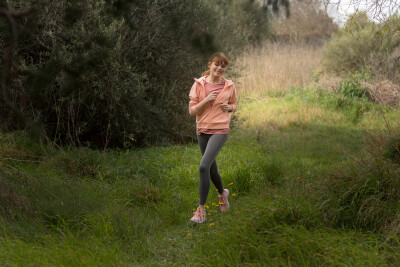
Photo Cred: Andrea Piacquadio/Pexels
By Kim Furtado, ND
The physical and emotional impact of cycling hormones in women can be profound. When there is a lack of balanced and artful orchestration, it is not simply one hormone or neurotransmitter that lies as culprit. Women can face diverse symptoms during the luteal phase of the menstrual cycle if there are imbalances in the complex hormonal signaling.
A heterogenous interplay creates a diverse experience of discomfort and negative impact on quality of life, which is lumped into the label known as premenstrual syndrome (PMS). A naturopathic approach to hormone balance is critical to provide any clinician a map to a complex and prevalent set of symptoms. This approach succeeds when focused on three key naturopathic principles, namely leaning into the healing power of nature, treating the whole person, and identifying and treating the root causes.
While up to 80 percent of all fertile women have been shown to have some luteal symptoms, mild to moderate symptoms classified as PMS, including behavioral changes, increased appetite, depression, fatigue, pelvic pain, digestive disruption, reduced libido, and headaches, have been shown to occur in approximately 20 to 40 percent. Clinicians can use observations to discern typical patterns in symptom clusters. This understanding can guide a clinician to target effective naturopathic solutions. The types are PMS-Type A, Anxiety type; PMS Type C, Craving Type; PMS Type D, Depression Type; PMS Type H, Hyperhydration Type; and PMS Type P, Pain Type.
In approximately 3 to 8 percent of cases, the severity of PMS has been recognized as the psychiatric diagnosis called premenstrual dysphoric disorder (PMDD). A PMDD diagnosis requires presence of five or more symptoms during most menstrual cycles of the past year, including depression, anxiety or tension, sudden mood changes, irritability, loss of interest in daily activities, decreased energy, food cravings and appetite changes, insomnia or sleepiness, and physical symptoms such as bloating or breast tenderness.
Overall, most simple cases of PMS respond to a treatment plan consisting of Vitex Angus-Castus (chaste tree berry), and basic liver support which helps balance hormones. Vitex Angus-Castus has been used effectively for PMS, as reported in several studies including one published in the Archives of Women’s Mental Health.
Liver support includes a whole foods-based nutrition plan that minimizes processed foods, caffeine, alcohol, and sugar. Liver support is also provided through herbs like Taraxacum officinale (dandelion root), Curcuma longa (turmeric), and Silybum marianum (milk thistle). The liver also benefits from nutrient co-factors for the cytozyme P450 detoxification enzyme system, which includes antioxidants, amino acids and other nutrients. Also critical are vitamin B6, magnesium, along with lifestyle medicine with effective stress management tools, such as yoga or mindfulness. Vitamin D supplementation is also helpful for resolving PMS, as described in the journal Gynocological Endocrinology. However, individualized treatment plans based on each women’s symptoms and circumstances are always indicated.
To guide a clinician in making more individualized treatment plans, start by identifying and treating the root causes. The symptom cluster types help this process. For example, Type A, Anxiety has a symptom picture characterized by predominant irritability, mood swings, insomnia, and anxiety, and is considered highly related to progesterone deficiency. The clinical focus would be on herbs such as Vitex angus-castus, which address imbalances in the hypothalamus-pituitary-adrenal (HPA) axis. This interaction with PMS and the HPA axis has been reported in research studies, including one published in The Journal of Clinical Endocrinology & Metabolism.
The treatment plan should also include neurotransmitter balancing herbs, such as Hypericum perforatum (St. John’s wort) or Piper methysticum (kava kava), as well as nutrients such as Gamma aminobutyric acid (GABA), 5-Hydroxytryptophan (5-HPT), and L-Theanine, especially with Type A, Anxiety, in my experience.
If the symptom picture is more like Type C, Craving Type, patient experiences an increase in cravings for foods such as carbohydrates, chocolate, salt, or sugar, which have resulting negative impact on weight, headache, and mood swings. The most observed dietary factors that can worsen PMS are caffeine, salt, simple sugars, starches, and alcohol. The clinical plan for this kind of patient would ideally include support for pancreatic and liver function, as well as a focus on nutritional changes that support balanced blood sugar regulation.
A patient whose symptoms resemble Type D, Depression Type, will exhibit sadness, apathy, and easy crying. The root cause of this symptom picture relates to relatively low estrogen and serotonin, and often signs of adrenal imbalances, sometimes including enhanced adrenal androgen or progesterone It may also be a sub-clinical hypothyroid state is induced during luteal phase. The treatment plan for this kind of patient may include liver supportive herbs and nutrition. If basal body temperature is below 97.5 degrees, it is likely that peripheral conversion of thyroid hormone is diminished. This can manifest as depression and fatigue during premenstrual week, due to the increased load on the liver from circulating progesterone and estrogens. That increased hormonal burden can exacerbate a sluggish peripheral conversion of T4 to T3, which manifests symptoms like depression, constipation, and fatigue. Treat the underlying liver congestion and improve thyroid hormone conversion and symptoms can improve.
A patient showing Type H, Hyperhydration Type, will likely struggle with water retention, weight gain, bloating and swelling. To the underlying causes of these symptoms, assess and treat the adrenal glands, and correct for possible mineralocorticoid disruptions, such as elevated aldosterone. This elevation can be due to excess estrogen, excessive salt intake, stress. or magnesium deficiency.
Lastly, a Type P, Pain Type, patient often presents with low back pain, pelvic pain, cramping, and myalgia. Correcting nutritional deficiencies such as vitamin D, calcium, and magnesium, along with liver and detoxification support is often effective to resolve these symptoms according to a review published in the American Journal of Obstetrics and Gynecology.
In addition to applying the principle of treating the root cause to each distinct symptom cluster, another underlying factor of hormone imbalance is toxicity from environmental chemicals. Many chemicals act as exogenous estrogen-like compounds, while others are also known to be endocrine disrupting. Clinically, this complex myriad of chemicals in the environment can manifest as hormone imbalances and can contribute to vitamin D deficiencies. In my practice, women suffering from PMS respond well to detoxification protocols.
One critical component in naturopathic healing of PMS is the holistic embrace of female cycles. Understanding the principle of the healing power of nature, the clinician should embrace and empower a woman to know that her body is innately capable of having balanced hormones. In my experience, resolution of PMS occurs when women are empowered to harness their intuition and regain balance in their cycling hormones and neurotransmitters that interplay. In our patriarchal culture, education about the menstrual cycle is focused on procreation and reproduction. Women are taught that each month the sole purpose of the cycle is to create a baby, and the result of not becoming pregnant is menstruation.
However, in my practice, I educate women about more feminine centered biology, and do not explain this biological process primarily exists for pregnancy which may occur never or only a few times in a woman’s lifetime. As women reclaim menstruation away from a sense of shame and disease, research builds a body of knowledge that normalizes the menstrual cycle as a healthy bodily process. Women can embrace the menstrual cycle as a source feminine power and connection.
Additionally, naturopathic treatment plans that treat the whole person and underlying causes address the complex nature of PMS. When the standard of care is prescribing birth control pills or antidepressants, the patient may not be able to fully heal or correct underlying imbalances, especially if they experience side effects. In these cases, women often feel they are being dismissed. Further, hormonal imbalances can be triggered by stress and trauma, which cannot be treated effectively with birth control or antidepressants. When women are instead empowered to treat the underlying causes of hormonal imbalances and embrace their innate strengths as cycling females, a world of power and health can emerge.
Continued on next page with case study and references.
Case Study
A twenty-one-year-old female presented to me with several symptoms that would occur each month in the week prior to her regular 30-day menstrual cycle, including cramps, mood swings, irritability, and fatigue. She reported anxiety and episodes of mood swings would happen each month. However, the anxiety would become more unbearable and consistent on the three days prior to every menses.
The patient also experienced severe abdominal cramping, but two repeat pelvic ultrasounds had not shown any cysts or other abnormalities. Her saliva based cycling female hormone profile revealed that her luteal progesterone level did not reach optimum amplitude and the luteal phase was shortened. The report also showed consistently higher estrogen than progesterone throughout the luteal phase, with a luteal progesterone to estrogen ratio of 6, with normal range being 30 to 40.
Our treatment plan consisted of 750 milligrams of the herb Vitex Agnus-Castus (Chaste tree berry) along with 30 milligrams pregnenolone to provide a precursor for her own body’s progesterone production. We also included liver supportive formulas with diindolylmethane (DIM) to help with the fatigue and work to alleviate the symptoms associated with estrogen dominance. Additionally, I recommended calcium, magnesium and vitamin B6.
We discussed the concepts described regarding the phases of the cycle and harnessing intuitive power to help heal. The patient was counseled about her own perceptions of her hormones, and our clinical focus remained on treating the whole person, by addressing her social, emotional and physical well-being in our treatment goals.
Follow up testing was conducted, which indicated normal hemoglobin A1C, deficient vitamin D, and elevated urinary levels of lead and mercury. The patient was then prescribed a three-month liver detoxification treatment plan with 10,000 international units (IUs) per day of vitamin D. The clinical goal of vitamin D supplementation is to restore serum levels to 50 to 60 nmol/L. This detoxification plan consisted of liver supportive herbs, fiber with activated charcoal, minerals and antioxidants and natural chelation agents like modified citrus pectin, N-acetyl cysteine (NAC), glutathione, and Chlorella regularis.
I also recommended the patient work to balance the parasympathetic nervous response by practicing yoga, spending time pursuing creative arts such as painting, time in nature at the beach and her photography work. The patient reported good progress with a reduction of mood swings, irritability, and alleviation of cramping and fatigue. Anxiety was also reduced, with no exacerbation of it prior to menses.
At age twenty-five, she returned for assessment because the high stress of unemployment during the pandemic had triggered three months of intense premenstrual symptoms. She reported severe depression for the week prior, which would include one to two days prior to menses that she could not get out of bed with episodes of uncontrollable crying. Her irritability and mood swings had created arguments with her boyfriend, that after three months they both realized those would always occur the night before she got her menses.
She reported severe cramping, fatigue and anxiety bordering on panic attacks the week prior to each menses. We initiated 20 milligrams of bioidentical progesterone cream for days 14 to flow of her cycle. To address the likely HPA imbalances brought out by high stress, adrenal supportive adaptogen formula along with L-theanine and 5-HPT were included.
The patient reported immediate progress within the next cycle, whereas the luteal phase severe depression and debilitating anxiety had resolved. She continued with this regimen for four more months, and then due to a desire to not rely on progesterone therapy, we discontinued it, but replaced it with pregnenolone and Vitex Agnus-Castus. She restarted her yoga practice and was able to find more relief of the premenstrual cramps and general anxiety.
References
Arab, A., Golpour-Hamedani, S., and Rafie, N. (2019) The association between vitamin D and premenstrual syndrome: a systematic review and meta-analysis of current literature. Journal of the American College of Nutrition. Retrieved from: https://www.tandfonline.com/doi/abs/10.1080/07315724.2019.1566036?journalCode=uacn20
Bahrami, A., Avan, A., and Sadeghnia, H.R. (2018) High dose vitamin D supplementation can improve menstrual problems, dysmenorrhea, and premenstrual syndrome in adolescents. Gynecological Endocrinology. Retrieved from: https://www.tandfonline.com/doi/abs/10.1080/09513590.2017.1423466?journalCode=igye20
Cerqueira, R.O., Frey, B.N., Leclerc, E., and Brietzke, E. (2017) Vitex agnus castus for premenstrual syndrome and premenstrual dysphoric disorder: a systematic review. Archives of Women’s Mental Health. Retrieved from: https://pubmed.ncbi.nlm.nih.gov/29063202/
Girman, A., Lee, R., and Kligler, B. (2003) An integrative medicine approach to premenstrual syndrome. American Journal of Obstetrics and Gynecology. Retrieved from: https://www.sciencedirect.com/science/article/abs/pii/S0002937803003570
Kabir, E.R., Rahman, M.S., and Rahman, I. (2015) A review on endocrine disruptors and their possible impacts on human health. Environmental Toxicology and Pharmacology. Retrieved from: https://pubmed.ncbi.nlm.nih.gov/26164742/
Momoeda, M., Sasaki, H., Tagashira, E., Ogishima, M., Takano, Y., and Ochiai, K. (2014) Efficacy and safety of Vitex agnus-castus extract for treatment of premenstrual syndrome in Japanese patients: a prospective, open-label study. Advances in Therapy. Retrieved from: https://pubmed.ncbi.nlm.nih.gov/24604699/
Rabin, D.S., Schmidt, P.J., Campbell, G., Gold, P.W., Jensvold, M., Rubinow, D.R., and Chrousos, G.P. (1990) Hypothalamic-pituitary-adrenal function in patients with the premenstrual syndrome. The Journal of Clinical Endocrinology and Metabolism. Retrieved from: https://academic.oup.com/jcem/article/71/5/1158/2652556?login=true
Schellenberg, R. (2001) Treatment for the premenstrual syndrome with agnus castus fruit extract: prospective, randomised, placebo controlled study. The BMJ. Retrieved from: https://www.bmj.com/content/322/7279/134
About the Author
Kim Furtado, ND
Kim Furtado, ND, received her Doctor of Naturopathic Medicine degree from Bastyr University in Kenmore, Washington. She also holds a Bachelor of Science Cum Laude in Biology from George Washington University in Washington, D.C. Inspired by the healing power of earth-based natural medicine, Furtado is dedicated to continued education and research. Furtado’s special interests include herbal medicine, nutrition, environmental medicine, chronic illness, and women’s and children’s health.
Furtado enjoys serving as a community resource and effective educator of lifestyle changes. Furtado is a member of the American Association of Naturopathic Physicians (AANP). She is also executive director for the Delmarva Community Wellnet Foundation, where she founded the SNAC Garden Program. Furtado views healing as an active journey on which she is honored to travel with each person. She is dedicated to the principles of naturopathic medicine and the knowledge that all medicine begins with prevention.
About the Author: CJ Weber

Also on Integrative Practitioner

Dental Danger: Signs of Sleep Breathing Disorders in children and Adults, Learn the Visual Clues
Non-Member Price: $30.00 Member Price: $18.00 – 40% Off for Members Only Add to Cart Presented by: Mark Breiner, DDS,...

Integrative and Comprehensive Approach to Inflammatory Bowel Disease
Non-Member Price: $30.00 Member Price: $18.00 – 40% Off for Members Only Add to Cart Presented by: Ronald Hoffman, MD,...

Measuring Biology vs. Symptomatology: The Fully Integrated Functional Wellness Program
Non-Member Price: $30.00 Member Price: $18.00 – 40% Off for Members Only Add to Cart Presented by: Dane Donohue, DC...

Change Your Genes, Change Your Life
Non-Member Price: $30.00 Member Price: $18.00 – 40% Off for Members Only Add to Cart Presented by: Kenneth Pelletier, PhD,...

Guided Imagery – Efficacious, Portable, Scalable, User-Friendly, Self-Administered
Non-Member Price: $30.00 Member Price: $18.00 – 40% Off for Members Only Add to Cart Presented by: Belleruth Naparstek, ACSW...