







What integrative practitioners need to know about pandemic insomnia
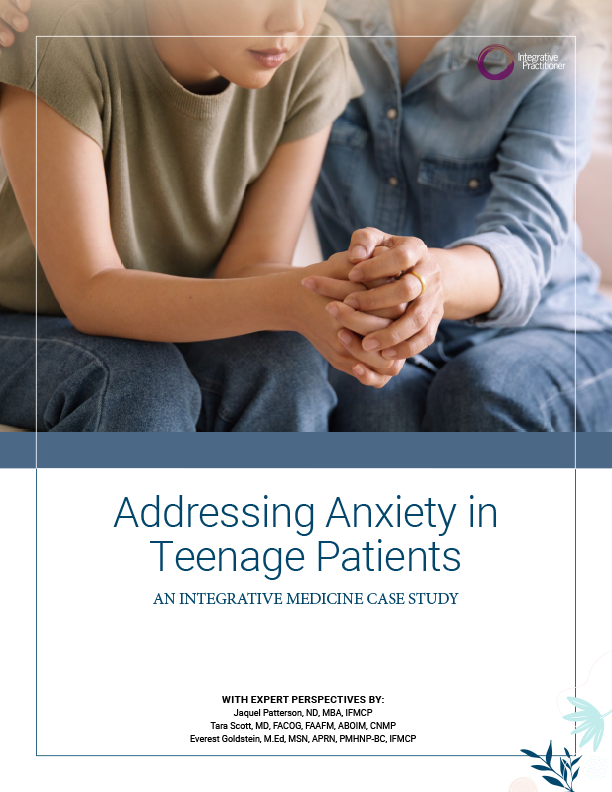
Photo Cred: Ben Blennerhassett/Unsplash
By Catherine Darley, ND
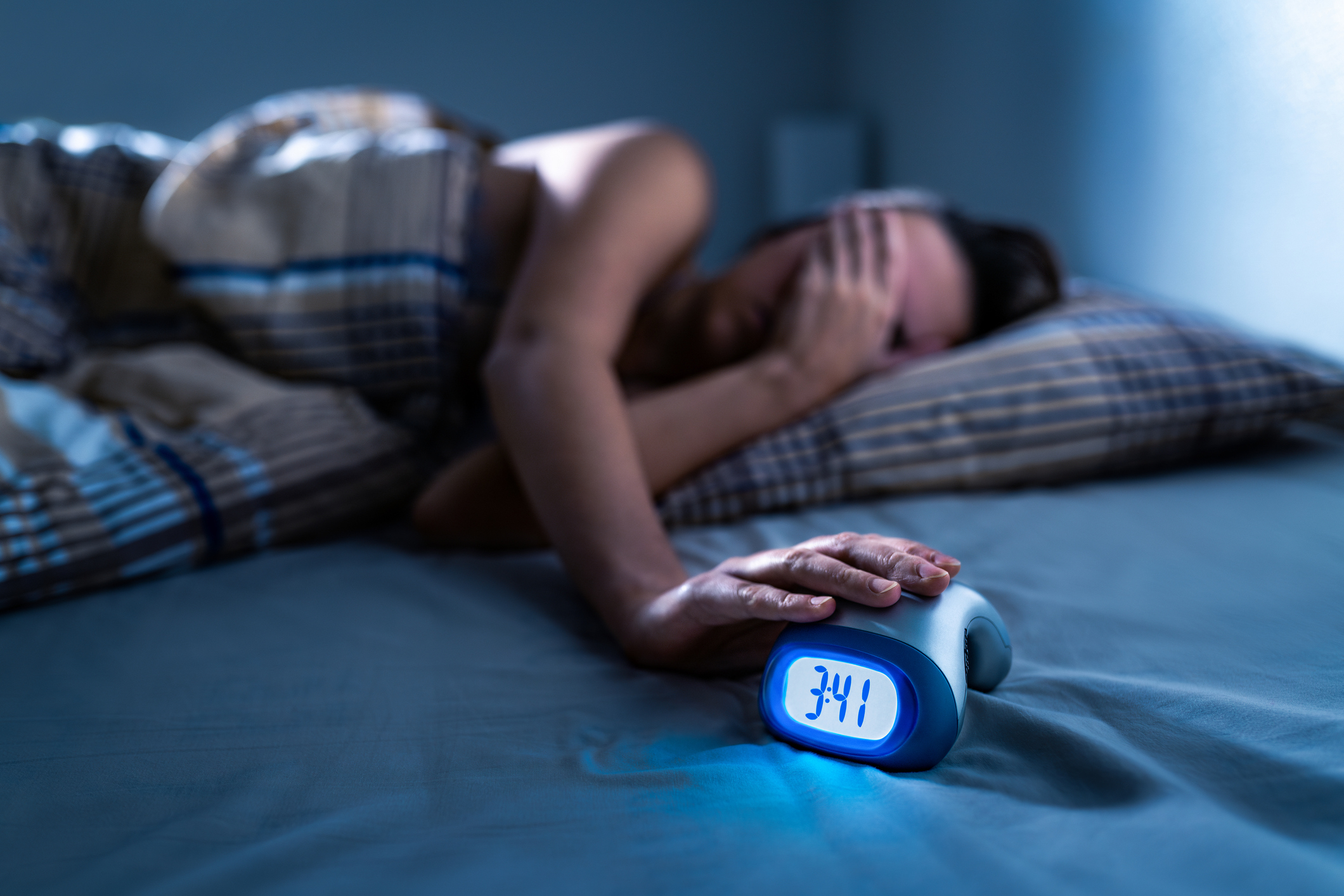
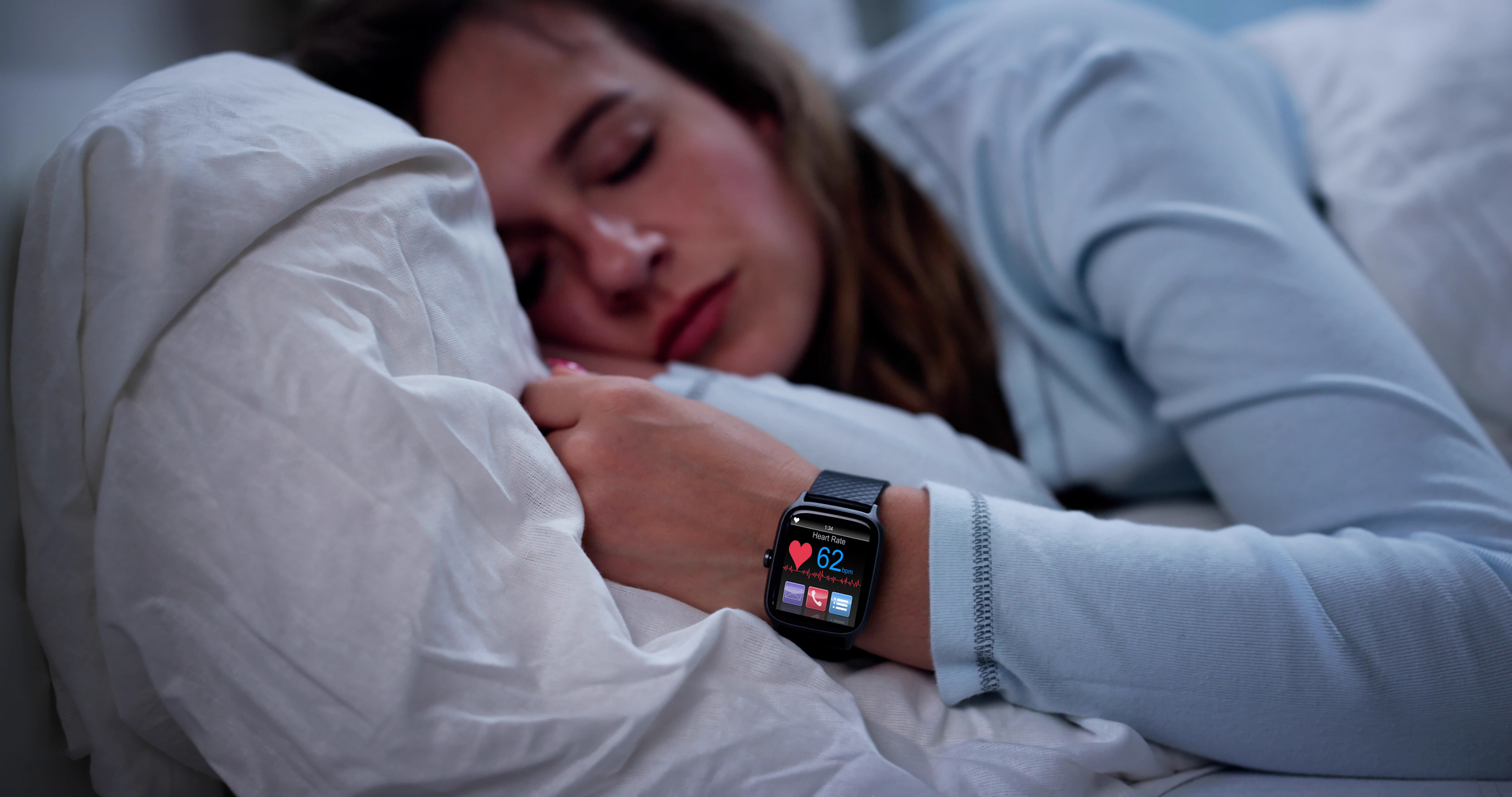
In the last six months, there have been a growing number of articles about “coronasomnia,” the insomnia seen during the novel coronavirus (COVID-19) pandemic. The pandemic and its’ multiple societal consequences are impacting our sleep, and there is some concern that COVID-19 may also cause sleep problems. New research is beginning to emerge on these important issues, which integrative practitioners must know to help guide patients.
There are several ways the pandemic has impacted behavior that we know contributes to insomnia. These behavior changes happened early on, and for many people they persisted. One example is being hypervigilant to the news media. A study conducted in France found that 73 percent of respondents had poor sleep in the previous week, compared to 49 percent in 2017. Sleep problems that impaired daytime activity or required sleeping pills were strongly associated with the amount of media exposure.
Men had more media exposure than women, while women reported more fear resulting from the media they were consuming. For patients, it is important to find a balance between staying informed of news that can help them, versus limiting their vigilance to news that is distressing and interferes with sleep. A good question could be “how much time would it take to get the news you need to stay informed each day?” then “what reminder can you put in place to stop watching media after spending that time?” A strategy that can be particularly helpful is to set the phone alarm to go off an hour before bed, signaling the time to put the phone away and stop consuming media.
In addition to stress, many people have been on stay-at-home orders, and in addition have gotten out of their typical daily schedule. Both of these factors can cause sleep to deteriorate. With the entire family home for many months, the boundaries between work and home life have become blurred. Now, people may have to use the bedroom not only for sleep, but for work or personal time too. This disrupts sleep, as the bedroom is now associated with wakefulness.
People have also lost the routine of leaving home for work or school. The loss of this time cue, along with those of standard meal and social times, causes the circadian rhythm to break down. Lifestyle regularity not only impacts sleep, but also mental health and coping. The key time cues or “zeitgebers” throughout the day to standardize, in priority order, are wake time, 20 minutes of bright outside light in the first two hours of the day, the main activity of the day, begin meals within a 30-minute window, and social interaction.
One significant way the pandemic has impacted our lives is a change in our physical activity levels. There was a significant decrease in activity levels in the first couple months of the pandemic. We know that regular physical activity of all types improves sleep, in addition to being a circadian cue of its’ own. Even if exercise facilities are closed, have your patients maintain exercise in their lifestyle with online exercise classes, daily walks through the neighborhoods, or calisthenics and resistance exercises on their own.
A symptom people are reporting more is vivid dreaming. Three possible mechanisms have been suggested. First, the traumatic nature of the pandemic, with personal worries about self or a loved one becoming infected, financial fallout, and uncertainty about the future. Another consideration is that some people do find they are getting more time in bed, especially now without the need for long commute times. When sleep is extended like this, it often becomes more fragmented, allowing for dream recall. Extended sleep times also allow people who previously lived a lifestyle of chronic insufficient sleep to now get adequate rest, which often results in REM rebound, and dreams usually come during REM sleep. If patients are experiencing more vivid dreams, find out if they are spending more time in bed than previously, and give them stress management practices to dispel their worries before bed. Tai Chi, yoga, and massage have all been shown to improve sleep. Other strategies can include journaling to express worries, followed up by limit-setting that during sleep time thinking through problems is not allowed.
Finally, sleep strengthens the immune system. A few studies have evaluated the impact sleep total has on the effectiveness of vaccines, finding that getting optimal sleep the beforehand increases the antibody titer after vaccination. This is true for hepatitis B and influenza and is currently untested for COVID-19. As the COVID-19 vaccine becomes more widely available, practitioners may want to recommend prioritizing adequate sleep for the week beforehand. Continue to encourage lifestyle regularity, sensible limits on media consumption, reliable physical activity, and stress management techniques throughout this extended disruption, until people’s lives can return to a semblance of their previous norm.
References
Bottary, R. (2020) Sleep extension: an explanation for increased pandemic dream recall? Sleep. Retrieved from: https://academic.oup.com/sleep/article/43/11/zsaa131/5901525
Leger, D. (2020) Poor sleep associated with overuse of media during the covid-19 lockdown. Sleep. Retrieved from: https://www.ncbi.nlm.nih.gov/pmc/articles/PMC7454849/
McSharry, D. (2020) Potential influences of obstructive sleep apnea on covid-19 severity. Journal of Clinical Sleep Medicine. Retrieved from: https://jcsm.aasm.org/doi/10.5664/jcsm.8538
Morin, C. (2020) Sleep and circadian rhythm in response to the covid-19 pandemic. Canadian Journal of Public Health. Retrieved from: https://www.ncbi.nlm.nih.gov/pmc/articles/PMC7375451/
Ong, J. (2020) Covid-19 related mobility reduction: heterogenous effects on sleep and physical activity rhythms. Sleep. Retrieved from: https://academic.oup.com/sleep/advance-article/doi/10.1093/sleep/zsaa179/5904453
About the Author: CJ Weber

Also on Integrative Practitioner

Dental Danger: Signs of Sleep Breathing Disorders in children and Adults, Learn the Visual Clues
Non-Member Price: $30.00 Member Price: $18.00 – 40% Off for Members Only Add to Cart Presented by: Mark Breiner, DDS,...

Integrative and Comprehensive Approach to Inflammatory Bowel Disease
Non-Member Price: $30.00 Member Price: $18.00 – 40% Off for Members Only Add to Cart Presented by: Ronald Hoffman, MD,...

Measuring Biology vs. Symptomatology: The Fully Integrated Functional Wellness Program
Non-Member Price: $30.00 Member Price: $18.00 – 40% Off for Members Only Add to Cart Presented by: Dane Donohue, DC...

Change Your Genes, Change Your Life
Non-Member Price: $30.00 Member Price: $18.00 – 40% Off for Members Only Add to Cart Presented by: Kenneth Pelletier, PhD,...
Guided Imagery – Efficacious, Portable, Scalable, User-Friendly, Self-Administered
Non-Member Price: $30.00 Member Price: $18.00 – 40% Off for Members Only Add to Cart Presented by: Belleruth Naparstek, ACSW...