





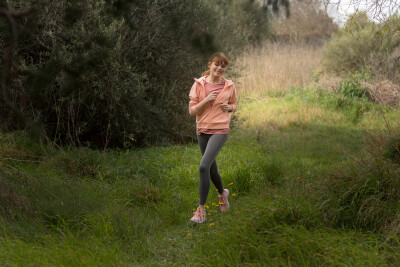


Outcomes and application of Tai Chi in integrative settings
Photo Cred: Atonika/Pixabay
By Bill Reddy, LAc, DiplAc
Tai Chi is a wonderful complementary practice for integrative healthcare settings. I am slightly biased, as I’ve trained in two styles off and on over the past 30 years. However, the benefits for both patients and practitioners are nothing short of spectacular.
The Chinese have a similar viewpoint—Tai Chi literally translates to “supreme ultimate.” There are several styles of Tai Chi. The five most common styles of Tai Chi practiced in the United States are the Yang, Chen, Wu Hao, Wu, and Sun, all named after the families from which they originated.
In my practice at Inova Life with Cancer, we offer an integrative psycho-oncology program that includes compassion training, mindfulness, art therapy, as well and classes in Tai Chi and Qigong, Tai Chi’s older cousin that dates back roughly 80 centuries and promotes Qi flow through movement, static postures, breathing, meditation and guided imagery.
Tai Chi isn’t merely another form of exercise. Not only does it improve mind-body awareness, balance, and coordination, but it also lubricates all the major joints in the body, massages internal organs, and promotes the harmonious flow of Qi and Blood from a Traditional Chinese Medicine (TCM) perspective.
The scientific study of the benefits of Tai Chi is on the rise, with over 350 publications in 2020. A 2002 National Institutes of Health (NIH) survey of complementary and alternative medicine use in the U.S. included 5,056,000 respondents stating they’ve practiced Tai Chi in their lifetime, and 2,565,000 respondents stated they practiced Tai Chi in the past year.
One of the earliest reviews of the literature led by Roger Jahnke, OMD, was a seminal publication for Tai Chi and Qigong. It supported the decision-making process of the U.S. Department of Veterans Affairs (VA) to include Tai Chi and Qigong in its Whole Health Program and how wellness made its way into legislation such as the Affordable Care Act.
“Due to the most recent medical tragedies, both infectious and chronic disease, we are in a renaissance of natural medicine,” said Jahnke in an interview. “[Tai Chi and Qigong] are among the most impressive and multifaceted tools that were ever developed by the human race to maximize inner healing resources.”
There are also studies on the positive effects of Tai Chi on healthy people as well as those who are suffering from Parkinson’s, osteoarthritis, and chronic obstructive pulmonary disease (COPD). Systematic reviews show support for Tai Chi in preventing falls in seniors, improving symptoms of Parkinson’s disease, COPD, osteoarthritis, and cognitive impairment. Specifically, four conditions have “good evidence” of benefit in the literature include depression, cardiac rehabilitation, stroke rehabilitation, and dementia, and “fair evidence” exists for fibromyalgia, hypertension, and osteoporosis.
Tai Chi can improve cerebral hemodynamics in adults at risk of ischemic stroke and also improve cognition and plasma brain-derived neurotrophic factor (BDNF) in adults with mild cognitive impairment. Practicing regularly has positive effects on immune system regulation and its response to inflammation including reducing CRP and cytokines and increasing immune cells.
In the oncology world, Tai Chi has been found to improve quality of life measures and social functioning, as well as IL-6, IL-8, IGF-1, IBFBP-1, IGFBP-3, glucose, insulin, and cortisol.
The Chinese practice Tai Chi because, in TCM theory, when we age, we become deficient in Liver Yin, Qi and Blood, all of which are improved with daily practice. From a Western medical standpoint, when compared to walking, Tai Chi improves superoxide dismutase, the anti-aging enzyme, while improving glutathione peroxidase, a powerful detoxifier produced by our liver, and total antioxidant status. It was found to increase normal DNA and decrease damaged DNA, which leads to chronic illness and cancer.
The Veterans Health Administration and large hospital systems are paying attention. Ben Kligler, MD, director of the Coordinating Center for Integrative Health, stated in a 2018 Integrative Health Policy Consortium (IHPC) sponsored Congressional briefing that 93 percent of the more 1,200 VA health centers across the nation offer complementary and integrative service, which includes Tai Chi and Qigong training. Kligler shared with me privately that he wants the VA Whole Health concept, which is both patient-centered and integrative, to be the leading model for healthcare in the U.S. Tai Chi classes are currently being offered at the top hospitals and cancer centers in the U.S., including the MD Anderson Cancer Center, Johns Hopkins, Cleveland Clinic, and Harvard’s Massachusetts General Hospital. What’s more promising is that rural hospitals such as Wheeling in West Virginia are also offering Tai Chi along with standard offerings such as boot camp and cardio dance classes.
If an organization doesn’t offer classes in Tai Chi, practitioners should approach leadership and move in that direction. I personally use Tai Chi to improve the health and well-being of my patients in several ways. For cancer patients who develop peripheral neuropathy because of chemotherapy, I recommend Tai Chi to improve proprioception and balance. For those patients who are amateur or professional athletes, I recommend including Tai Chi in their cross-training. For example, Tiger Woods practices Tai Chi to help him use the most of his kinetic chain to hit the ball further.
Tai Chi also offers great benefits in addition to physical therapy for rehabilitation of a tendon, ligament, or muscle injury. I explain to my senior population that the “sensors” located throughout our bodies tend to lose their sensitivity as we age. The sensory feedback from our feet remains consistent until about 40 years old, then decreases by 20 percent in our 50s. By the time we reach 80 years old, it will have decreased by a stunning 75 percent. Not only does the patient benefit by developing better balance (and avoiding falls), they also enjoy improved cognition.
The study of Tai Chi can bring practitioners and patients quickly into a “flow state” and contribute to a longer, more fulfilling, healthy life, and is a perfect complement to good sleep hygiene, clean diet, stress reduction, weight management, and psychosocial support.
References
Barnes, P. M., Powell-Griner, E., McFann, K., and Nahin, R. L. (2004) Complementary and alternative medicine use among adults. Journal of Cancer Survivorship. Retrieved from: https://pubmed.ncbi.nlm.nih.gov/15188733/
Gao, Q., Leung, A., Yang, Y., Wei, Q., Guan, M., Jia, C., and He, C. (2014) Effects of Tai Chi on balance and fall prevention in Parkinson’s disease: a randomized controlled trial. Clinical Rehabilitation. Retrieved from: https://pubmed.ncbi.nlm.nih.gov/24519923/
Goon, J. A., Aini, A. H., Musalmah, M., Anum, M. Y., Nazaimoon, W. M., and Ngah, W. Z. (2009) Effect of Tai Chi exercise on DNA damage, antioxidant enzymes, and oxidative stress in middle-age adults. Journal of physical activity & health. Retrieved from: https://doi.org/10.1123/jpah.6.1.43
Huston, P., and McFarlane, B. (2016). Health benefits of tai chi: What is the evidence? Canadian Family Physician. Retrieved from: https://pubmed.ncbi.nlm.nih.gov/28661865/
Jahnke, R., Larkey, L., Rogers, C., Etnier, J., and Lin, F. (2010) A comprehensive review of health benefits of qigong and tai chi. American Journal of Health Promotion. Retrieved from: https://www.ncbi.nlm.nih.gov/pmc/articles/PMC3085832/
Meyer, P. F., Oddsson, L. I., and De Luca, C. J. (2004) Reduced plantar sensitivity alters postural responses to lateral perturbations of balance. Experimental Brain Research. Retrieved from: https://link.springer.com/article/10.1007%2Fs00221-004-1868-3
Oh, B., Bae, K., Lamoury, G., Eade, T., Boyle, F., Corless, B., Clarke, S., Yeung, A., Rosenthal, D., Schapira, L., and Back, M. (2020) The Effects of Tai Chi and Qigong on Immune Responses: A Systematic Review and Meta-Analysis. Medicines. Retrieved from: https://www.mdpi.com/2305-6320/7/7/39
Rosado-Perez, J., Ortiz, R., Santiago-Osorio, E., and Mendoza-Nunez, V.M. (2013) Effect of Tai Chi versus walking on oxidative stress in Mexican older adults. Retrieved from: https://www.hindawi.com/journals/omcl/2013/298590/
Sprod, L. K., Janelsins, M. C., Palesh, O. G., Carroll, J. K., Heckler, C. E., Peppone, L. J., Mohile, S. G., Morrow, G. R., and Mustian, K. M. (2012) Health-related quality of life and biomarkers in breast cancer survivors participating in tai chi chuan. Journal of Cancer Survivorship: Research and Practice. Retrieved from: https://link.springer.com/article/10.1007%2Fs11764-011-0205-7
Sun, L., Zhuang, L. P., Li, X. Z., Zheng, J., and Wu, W. F. (2019) Tai Chi can prevent cardiovascular disease and improve cardiopulmonary function of adults with obesity aged 50 years and older: A long-term follow-up study. Medicine. Retrieved from: https://link.springer.com/article/10.1007%2Fs11764-011-0205-7
Sungkarat, S., Boripuntakul, S., Kumfu, S., Lord, S. R., and Chattipakorn, N. (2018) Tai Chi Improves Cognition and Plasma BDNF in Older Adults With Mild Cognitive Impairment: A Randomized Controlled Trial. Neurorehabilitation and Neural Repair. Retrieved from: https://journals.sagepub.com/doi/10.1177/1545968317753682
Winser, S. J., Tsang, W. W., Krishnamurthy, K., and Kannan, P. (2018) Does Tai Chi improve balance and reduce falls incidence in neurological disorders? A systematic review and meta-analysis. Clinical Rehabilitation. Retrieved from: https://journals.sagepub.com/doi/10.1177/0269215518773442
Zheng, G., Zheng, X., Li, J., Duan, T., Ling, K., Tao, J., and Chen, L. (2019) Effects of Tai Chi on Cerebral Hemodynamics and Health-Related Outcomes in Older Community Adults at Risk of Ischemic Stroke: A Randomized Controlled Trial. Journal of Aging and Physical Activity. Retrieved from: https://journals.humankinetics.com/view/journals/japa/27/5/article-p678.xml
About the Author: CJ Weber

Also on Integrative Practitioner

Dental Danger: Signs of Sleep Breathing Disorders in children and Adults, Learn the Visual Clues
Non-Member Price: $30.00 Member Price: $18.00 – 40% Off for Members Only Add to Cart Presented by: Mark Breiner, DDS,...

Integrative and Comprehensive Approach to Inflammatory Bowel Disease
Non-Member Price: $30.00 Member Price: $18.00 – 40% Off for Members Only Add to Cart Presented by: Ronald Hoffman, MD,...
Measuring Biology vs. Symptomatology: The Fully Integrated Functional Wellness Program
Non-Member Price: $30.00 Member Price: $18.00 – 40% Off for Members Only Add to Cart Presented by: Dane Donohue, DC...

Change Your Genes, Change Your Life
Non-Member Price: $30.00 Member Price: $18.00 – 40% Off for Members Only Add to Cart Presented by: Kenneth Pelletier, PhD,...
Guided Imagery – Efficacious, Portable, Scalable, User-Friendly, Self-Administered
Non-Member Price: $30.00 Member Price: $18.00 – 40% Off for Members Only Add to Cart Presented by: Belleruth Naparstek, ACSW...