






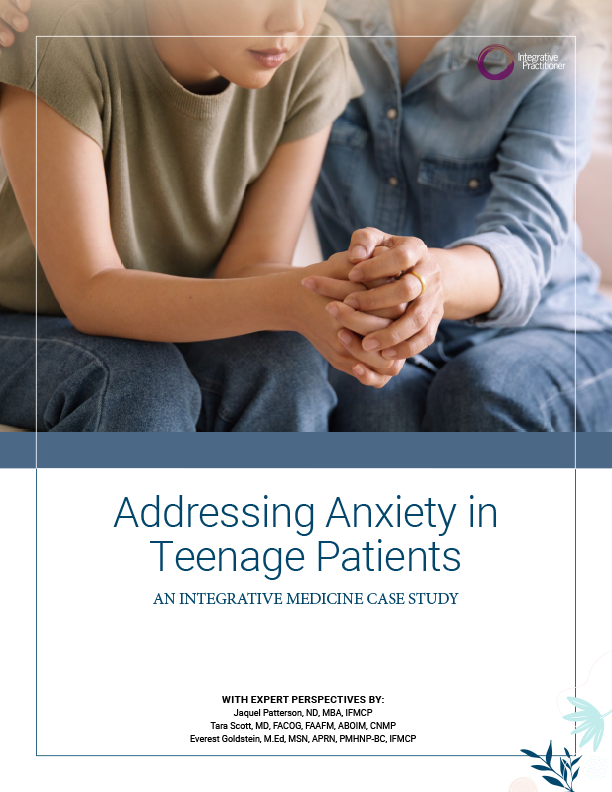

Using psychobiotics to improve mood
Photo Cred: Joanna Kosinska/Unsplash
By Kellie Blake, RDN, LD, IFNCP
As a psychiatric dietitian, I am always searching for simple ways my patients can improve their quality of life. I find myself focusing on the gut microbiome, and often the conversation shifts to the gut-brain axis and the impact the gut microbiome has on psychiatric symptoms.
While the specifics are still being elucidated, the messages sent within the body have the power to influence numerous pathways. The neural, hormonal, and immunological signals sent along the vagus nerve and via the enteric nervous system have a powerful impact. My patients are eager to learn how they can improve their gut health and in turn, mental health.
Several conditions such as obesity, allergies, autoimmune diseases, irritable bowel syndrome, inflammatory bowel disease, and psychiatric disorders are now known to be closely linked to an imbalanced gut microbiome. The gut microbiome is as unique as a fingerprint and is comprised of bacteria, bacteriophages, viruses, fungi, protozoa, and archaea. When the gut microbiome is in balance, the messages sent along microbiota-gut-brain axis are positive and beneficial. When dysbiosis is present, those messages become altered, resulting in negative effects on brain and body function.
In a balanced gut, the commensal bacteria benefit the body by turning indigestible nutrients into the energy, vitamins, hormones, and neurotransmitters that are used to maintain health. They also protect the delicate gut lining from potentially pathogenic microorganisms. When the environment in the gut is nutritionally rich, commensal bacteria can thrive. However, when fuel is in short supply or when the lifestyle is imbalanced, the microbiome can quickly be transformed from a place of harmony to one of discord.
One side effect of an imbalanced gut microbiome is altered mood. Clinical mood disorders are commonplace, with more than 20 percent of adults and 14 percent of adolescents experiencing at least one mood disorder at some point during their lifetime. In depression, the microbiome is altered when compared to healthy controls and the severity of depressive symptoms has been linked to microbiome changes.
The conventional treatment for mood disorders typically comes in the form of psychotherapy and prescription medication. As reported in JAMA Internal Medicine, one in six American adults took at least one prescribed psychiatric drug during 2013. While medication can be a valuable and often necessary tool in the treatment of mood disorders, psychiatric drugs often create harmful and unwelcome side effects, including changes in weight and appetite, gastrointestinal distress, dry mouth, and metabolic and sexual dysfunction.
Since brain health is related to the composition of the microbes in the gut, and those microbes influence behavior and the pathophysiology of mental health symptoms, regulating the messages sent along the microbiota-gut-brain axis via psychobiotics may be one side-effect free option for those with mood disorders.
Psychobiotics are live organisms like pre-and probiotics that influence the commensal bacteria and can alter the messages sent along the gut-brain axis for people suffering from psychiatric illness. Essentially, probiotics introduce beneficial bacteria to the gut and prebiotics support the growth of beneficial bacteria. For example, probiotics from the Bifidobacterium and Lactobacillus families have been shown to normalize hypothalamus-pituitary-adrenal axis (HPA-axis) function in depressed animal models. And prebiotics like onions, chicory root, and garlic are fermented in the gut supplying fuel for the intrinsic commensal bacteria to flourish.
As reported in Trends in Neurosciences, psychobiotics provide their psychophysiological effects in three ways:
- By influencing emotional and cognitive processes through the production of short-chain fatty acids (SCFAs)
- By affecting the HPA-axis, glutocorticoid stress response, and inflammation
- By increasing the production of neurotransmitters via the digestion of indigestible fiber and by increasing proteins like brain-derived neurotrophic factor (BDNF)
Integrative providers can incorporate this information into the treatment plans of those with mental health symptoms. As reported in Nutrition Reviews, patients with major depression experienced clinically significant symptom improvement after eight weeks of treatment with a probiotic containing Lactobacillus acidophilus, Lactobacillus casei, and Bifidobacterium bifidum. They also had decreased inflammatory markers and insulin and increased levels of glutathione.
The benefits of psychobiotics are not limited to those with a clinical diagnosis of a mood disorder. I use pre- and probiotics with many of my patients experiencing the symptoms of chronic stress, depression, poor mood, and anxiety. According to a study in the journal Nutrition Reviews, one randomized, double-blind, placebo-controlled trial showed petrochemical workers experienced improved mental health after six weeks of consuming a probiotic yogurt or multispecies probiotic capsule. In addition, in a triple-blind, placebo-controlled, randomized trial, published in Brain, Behavior, and Immunity, 20 healthy participants who received a multi-strain probiotic food supplement had reduced rumination and aggressive thoughts related to sad mood as compared to control subjects.
I recently had a patient with complaints of irritable bowel syndrome, anxiety, and depression. Part of the protocol included adding the probiotic Lactobacillus salivarius. After eight weeks of personalized nutrition, including the probiotic supplement, she reported no symptoms of depression and her anxiety improved significantly.
Psychobiotics can be a useful addition to a personalized nutrition plan, but maximum benefit may not be achieved without comprehensive nutrition and lifestyle-related modification. Diet is an important factor affecting the gut microbiome, so I encourage patients to avoid foods known to disrupt the microbiome balance, such as gluten, alcohol, refined grains, sugar, artificial sweeteners, unhealthy fats, processed foods, conventionally-raised red meat, and additives. To balance lifestyle, I educate patients to avoid smoking, increase physical activity, obtain adequate sleep, manage stress, and avoid unnecessary medications.
Additionally, psychobiotics can be added to the personalized nutrition plan via food sources, but also with pills and powder supplements as needed. I have patients include one or two servings each day of probiotic-rich foods, such as kefir, sauerkraut, kombucha, natto, yogurt, apple cider vinegar with the mother, tempeh, miso, unsweetened coconut yogurt, organic pickled vegetables, and kimchi. I encourage a plant-centric diet replete with prebiotics to provide the valuable fiber needed to fuel the commensal gut bacteria. Some of my favorite prebiotic options include garlic, onions, leeks, dandelion greens, asparagus, gluten-free oats, apples, acacia powder, and flaxseeds.
As with most things in integrative medicine, there is no one-size-fits-all. When recommending probiotic supplements, I tailor my selection to the patient, choose only options from reputable suppliers, and opt for supplements including 25 to 50 billion colony-forming units (CFUs) with multiple strains from the Bifidobacterium and Lactobacillus families.
Creating a healthy gut microbiome should be considered a first line of defense in mood disorder prevention and treatment but is also important for those experiencing mental health symptoms without a clinical diagnosis. Supporting the helpful commensal bacteria with wholesome food choices, lifestyle management, and use of psychobiotics can produce powerful results.
References
Johns Hopkins Medicine. Mood Disorders. Retrieved from: https://www.hopkinsmedicine.org/health/conditions-and-diseases/mood-disorders
Mohajeri, HM., La Fata, G., Seinert, R., Weber, P. (2018). Relationship between the gut microbiome and brain function. Nutrition Reviews. Retrieved from: https://academic.oup.com/nutritionreviews/article/76/7/481/4985887
Moore, T. and Mattison, D. (2017). Adult Utilization of Psychiatric Drugs and Differences by Sex, Age, and Race. JAMA Internal Medicine. Retrieved from: https://jamanetwork.com/journals/jamainternalmedicine/fullarticle/2592697
National Institute of Mental Health. Any Mood Disorder. Retrieved from: https://www.nimh.nih.gov/health/statistics/any-mood-disorder.shtml#part_155959
Sakar, A., Lehto, S., Harty, S., Dinan, T., Cryan, D., & Burnet, P. (2016). Psychobiotics and the Manipulation of Bacteria–Gut–Brain Signals. Trends in Neurosciences. Retrieved from: https://www.ncbi.nlm.nih.gov/pmc/articles/PMC5102282/
Steenbergen, L., Sellaro, R., van Hemert, S., Bosch, J., and Colzato, L. (2015). A randomized controlled trial to test the effect of multispecies probiotics on cognitive reactivity to sad mood. Brain, Behavior, and Immunity. Retrieved from: https://pubmed.ncbi.nlm.nih.gov/25862297-a-randomized-controlled-trial-to-test-the-effect-of-multispecies-probiotics-on-cognitive-reactivity-to-sad-mood/?from_term=lactobacillus+salivarius+and+mood&from_filter=simsearch2.ffrft&from_pos=1
About the Author: CJ Weber

Also on Integrative Practitioner

Dental Danger: Signs of Sleep Breathing Disorders in children and Adults, Learn the Visual Clues
Non-Member Price: $30.00 Member Price: $18.00 – 40% Off for Members Only Add to Cart Presented by: Mark Breiner, DDS,...

Integrative and Comprehensive Approach to Inflammatory Bowel Disease
Non-Member Price: $30.00 Member Price: $18.00 – 40% Off for Members Only Add to Cart Presented by: Ronald Hoffman, MD,...

Measuring Biology vs. Symptomatology: The Fully Integrated Functional Wellness Program
Non-Member Price: $30.00 Member Price: $18.00 – 40% Off for Members Only Add to Cart Presented by: Dane Donohue, DC...

Change Your Genes, Change Your Life
Non-Member Price: $30.00 Member Price: $18.00 – 40% Off for Members Only Add to Cart Presented by: Kenneth Pelletier, PhD,...
Guided Imagery – Efficacious, Portable, Scalable, User-Friendly, Self-Administered
Non-Member Price: $30.00 Member Price: $18.00 – 40% Off for Members Only Add to Cart Presented by: Belleruth Naparstek, ACSW...