





Non-pharmacologic approaches to treating osteoporosis
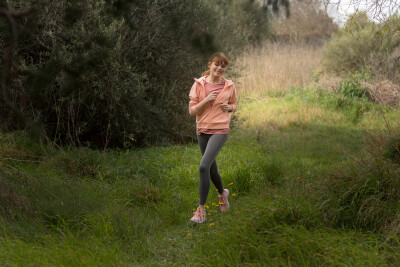
Photo Cred: Freepik
By Gary Goldman
Osteoporosis is the result of a lifetime of choices rather than a disease of older age. To prevent osteoporosis, it is incumbent upon practitioners to have discussions with our patients, whether young or old, female or male, with overt risk factors or without.
Bone loss is an avoidable consequence of dietary, exercise, and hormonal aberrations, and providers can make the difference by addressing the subject at every patient encounter.
Currently, over 50 million Americans have osteopenia or osteoporosis. This bone loss will yield a lifetime bone fracture rate of 50 percent of women and 25 percent of men over the age of 50.
Fractures can result in pain and deformity. They can also send a previously self-sufficient adult into an assisted living facility. One half of those with a hip fracture will require permanent assistance with activities of daily living, and one quarter of those with a hip fracture will die within the next year.
Bone loss is the net result of the competing activities of two populations of bone cells, osteoblasts and osteoclasts. Osteoblasts are anabolic, meaning they lay down new bone matrix, which yields better bone strength and resilience. Osteoclasts are catabolic, meaning they absorb old bone matrix.
The balance between these two processes is highly age dependent. There is a net gain of bone mineralization and strength peaking at the age of thirty. Thereafter, osteoclast activity predominates, resulting in slow bone loss. For women, that process accelerates around the time of menopause. This results in a faster rate of bone loss for several years, which then resumes the prior slow rate of decline.
While some risks for osteoporosis can’t be eliminated, they serve as a call to arms for the alert practitioner. Non-modifiable risk factors for osteoporosis include:
- Age greater than 50
- Female sex
- Caucasian or Asian race
- Family history of an osteoporosis-related fracture
- Menopause prior to age 45
- A personal history of a fracture after age 50
Our greatest opportunities for preventing osteoporosis are found in the modifiable risk factors:
- Cigarette smoking
- Prolonged amenorrhea over one year or anorexia or inadequate body fat
- Thin frame/low BMI
- Inadequate calcium intake or absorption
- Inadequate vitamin D intake or absorption
- Inadequate exercise
- Excessive alcohol use
- Low testosterone in men
- Current known low bone mass
- Medications such as excessive thyroid supplements, heparin, lithium, and corticosteroids
- Medical conditions such as multiple myeloma, parathyroid disease, and diabetes
For my patients, I focus on nutritional approaches to treating osteoporosis. Core nutrients I incorporate include calcium, vitamin D, and vitamin K.
Total daily calcium intake including dietary sources and supplements should total 1,000 to 1,500 milligrams. Dietary calcium can be found in dairy products, Chinese cabbage, kale, Brussels sprouts, broccoli, and sardines with the bones in. The best absorbed calcium supplement is chelated calcium, followed by calcium citrate and then calcium carbonate. Ideally calcium supplements are taken on an empty stomach and without additional supplements simultaneously as these can diminish absorption. Too much supplemental calcium may be associated with an increase in kidney stones, constipation, and possibly an increase in cardiovascular disease.
Dietary sources of Vitamin D include salmon, herring, sardines, cod liver oil, oysters, shrimp, and egg yolks. Vitamin D increases calcium absorption, so patients should take with calcium Typical doses range from 2,000 to 5,000 international unit (IU) daily. Some people require 50,000 IU or more per week. Blood levels must be monitored each time the dose is readjusted.
Vitamin K1 accounts for the majority of Vitamin K in humans. It is found in green leafy vegetables such as kale, collard greens, spinach, turnip greens, broccoli, and Brussels sprouts. Vitamin K2 (MK4) is found in chicken, butter, and egg yolks, while Vitamin K2 (MK7) is found in the Japanese dish Natto, made from fermented soybeans. There is conflicting evidence regarding the best form of Vitamin K for your bones. Since K2 also appears to prevent calcification of soft tissues, including atherosclerotic plaques in blood vessels, reducing both heart attacks and all-cause mortality, I generally recommend K2 supplements. Dosage recommendations range 150 to 500 micrograms per day.
I also recommend several micronutrients be incorporated in a patient’s diet, through whole foods or supplements. These are important constituents for bone development, often present in a single supplement from a reputable manufacturer:
- Boron. Sources include prunes, soy, raisins, avocados, cherries, grapes, and almonds. An appropriate supplement is three milligrams daily.
- Magnesium. Sources include wild rice, lentils, bean sprouts, almonds, cashews, and spinach. An appropriate supplement dose is about 450 milligrams daily.
- Zinc. Sources include bran, wheat germ, beans, dairy, pumpkin seeds, and meats. An appropriate supplement is 15 milligrams daily.
- Manganese. Sources include pineapple, blackberries, raspberries, hazelnuts, pecans, and beets. An appropriate supplement is 2 to 5 milligrams daily.
- Copper. Sources include meats, nuts, and legumes. An appropriate supplement is 1.5 to 3 milligrams daily.
- Phosphorus. Sources include meat, milk products, beans, lentils, nuts, and whole grains. The only people who should consider a phosphorus supplement are non-meat-eaters.
Beyond nutrition, I also recommend several additional therapies for osteoporosis. Exercise is critical. Without strain across bone, there is no recruitment of osteoblasts, osteoclast activity predominates, and bone is lost. Movement is essential to bone growth. This can include weightlifting, aerobic exercise, swimming, and dancing. No matter how good a patient’s nutrition is, without exercise, the nutritive elements will not be incorporated into new bone matrix.
Several natural compounds may also be beneficial for patients, including dehydroepiandrosterone (DHEA), genistein, resveratrol, sulforaphane, and curcumin.
DHEA is an adrenal hormone that is ultimately converted into both estrogen and testosterone. It stimulates bone and muscle growth. I recommend starting with about 10 to 25 milligrams daily for women, and 25 to 50 milligrams for men.
Genistein is a phytoestrogen, or plant-based estrogen-like substance derived from soybeans and chickpeas. This has been demonstrated to improve osteoblast activity and inhibit osteoclast activity, resulting in improved bone strength. The effective dose is 54 milligrams daily.
Resveratrol is a natural compound found in grape skin, grape seed, and red wine. Among many other benefits, it has been demonstrated to reduce osteoporosis at a dose of 500 milligrams daily.
Sulforaphane is derived from broccoli sprouts, cauliflower sprouts, and other cruciferous vegetables. Via epigenetic modulation, it has been shown to provide anabolic stimulation of bone growth.
From the Indian spice turmeric, curcumin and other plant-based anti-inflammatories have been shown to improve osteoporosis, supporting the role of inflammation in the genesis of osteoporosis. There are many excellent anti-inflammatory compounds, but curcumin is king.
Case Study
Susan is a 52-year-old Chinese woman referred by her gynecologist for nontraditional options to treat her bone loss. She recently had her first bone density study performed routinely. Her spine demonstrated significant osteopenia and her hip demonstrated osteoporosis. She was presented with hormones and other pharmacologic options to strengthen her bones, all of which she declined.
Her last menstrual period was three months ago. Her cycles were previously monthly, but over the last year they have become more irregular and less frequent. She noted hot flashes and night sweats intermittently, which varied in intensity and frequency. She had no significant vaginal dryness or painful intercourse.
Susan’s lifestyle includes some occasional tennis, stretching, and walking. She has a standard American diet, eating cereal or a muffin for breakfast, a tuna or chicken salad sandwich for lunch, and meat with pasta or rice and an iceberg lettuce salad for dinner. She has been trying to lose 20 to 30 pounds since she gave birth to her second child 25 years ago. Susan smokes about a half pack of cigarettes daily. She has a glass or two of wine after work most nights and more on the weekend. She drives to work where she sits in front of her computer for most of the day.
Her medical history is notable for occasional flares of ulcerative colitis. She has used prednisone on occasion with relief of her bowel symptoms. She takes no regular medications or supplements, though uses Advil frequently for chronic knee pain.
Her family history is remarkable for her mother who doesn’t go to a Western doctor and has no known medical illnesses. Susan said her mother has a substantial dowager’s hump and recently broke her wrist after she tripped on the carpet.
We obtained baseline labs including urinary N-terminal telopeptide (NTx), which was in the high normal range, vitamin D which was low, and high sensitivity C-reactive protein (hsCRP), which was moderately elevated. We also discussed her important risk factors for bone loss. Non-modifiable risks include age greater than 50 years old, female sex, Asian race, and a likely family history of osteoporosis-related fracture. Modifiable risks include smoking, inadequate nutrients and poor diet, inadequate exercise, excessive alcohol use, current known low bone mass, and history of corticosteroid use.
We developed a plan of action that she felt she could follow. Our first step was quitting smoking and educating her about a proper diet. With the aid of a biofeedback program she was successful in this regard, but she gained over 20 additional pounds. We then enlisted our in-office nutritionist who helped her to lose weight.
Core supplements included calcium, vitamin D, and vitamin K. I added genistein as it could help both her bones and her peri-menopausal symptoms. I also added curcumin to strengthen bones and reduce inflammation in her gut and in her knees.
She gained confidence as she lost weight. Her weight loss lessened the knee pain. This enabled her to join a gym and strengthen her muscles as well as her bones. The gym has also allowed her to meet new friends who help to support her in growing healthier.
At the one-year interval, we obtained a follow-up urinary NTx, which declined 30 percent from baseline, indicating a substantial improvement in bone turnover. Her vitamin D and hsCRP levels normalized. Our plan is to obtain her next scan at the two-year interval.
Susan said she now feels strong and for the first time and in control of her own destiny. She initially required a lot of support from my entire staff, but, as she has experienced the fruits of her work and dedication, she is empowered.
References
Iwamoto, J., Takeda, T., and Sato, Y. (2006). Menatetrenone (vitamin K2) and bone quality in the treatment of postmenopausal osteoporosis. Nutrition Reviews. Retrieved from: https://www.ncbi.nlm.nih.gov/pubmed/17274493
Lowe, N., Frader, W., and Jackson, M. (2002) Is there a potential therapeutic value of copper and zinc for osteoporosis? Proceedings of the Nutrition Society. Retrieved from: https://www.ncbi.nlm.nih.gov/pubmed/12133199
Meier, C., Woitge, H., Witte, K., Lemmer, B., and Seibel, M. (2004). Supplementation with oral vitamin D3 and calcium during winter prevents seasonal bone loss: a randomized controlled open-label prospective trial. Journal of Bone and Mineral Research. Retrieved from: https://www.ncbi.nlm.nih.gov/pubmed/15231008
Miljkovic, D., Miljkovic, N., and McCarty, M. (2004). Up-regulatory impact of boron on vitamin D function – does it reflect inhibition of 24-hydroxylase? Medical Hypotheses. Retrieved from: https://www.ncbi.nlm.nih.gov/pubmed/15504575
Yamaguchi, M. (1998). Role of nutritional zinc in the prevention of osteoporosis. Journal of Trace Elements in Medicine and Biology. Retrieved from: https://www.ncbi.nlm.nih.gov/pubmed/20035439
Editor’s note: Photo courtesy of Freepik.
About the Author: CJ Weber

Also on Integrative Practitioner

Dental Danger: Signs of Sleep Breathing Disorders in children and Adults, Learn the Visual Clues
Non-Member Price: $30.00 Member Price: $18.00 – 40% Off for Members Only Add to Cart Presented by: Mark Breiner, DDS,...

Integrative and Comprehensive Approach to Inflammatory Bowel Disease
Non-Member Price: $30.00 Member Price: $18.00 – 40% Off for Members Only Add to Cart Presented by: Ronald Hoffman, MD,...
Measuring Biology vs. Symptomatology: The Fully Integrated Functional Wellness Program
Non-Member Price: $30.00 Member Price: $18.00 – 40% Off for Members Only Add to Cart Presented by: Dane Donohue, DC...

Change Your Genes, Change Your Life
Non-Member Price: $30.00 Member Price: $18.00 – 40% Off for Members Only Add to Cart Presented by: Kenneth Pelletier, PhD,...
Guided Imagery – Efficacious, Portable, Scalable, User-Friendly, Self-Administered
Non-Member Price: $30.00 Member Price: $18.00 – 40% Off for Members Only Add to Cart Presented by: Belleruth Naparstek, ACSW...