





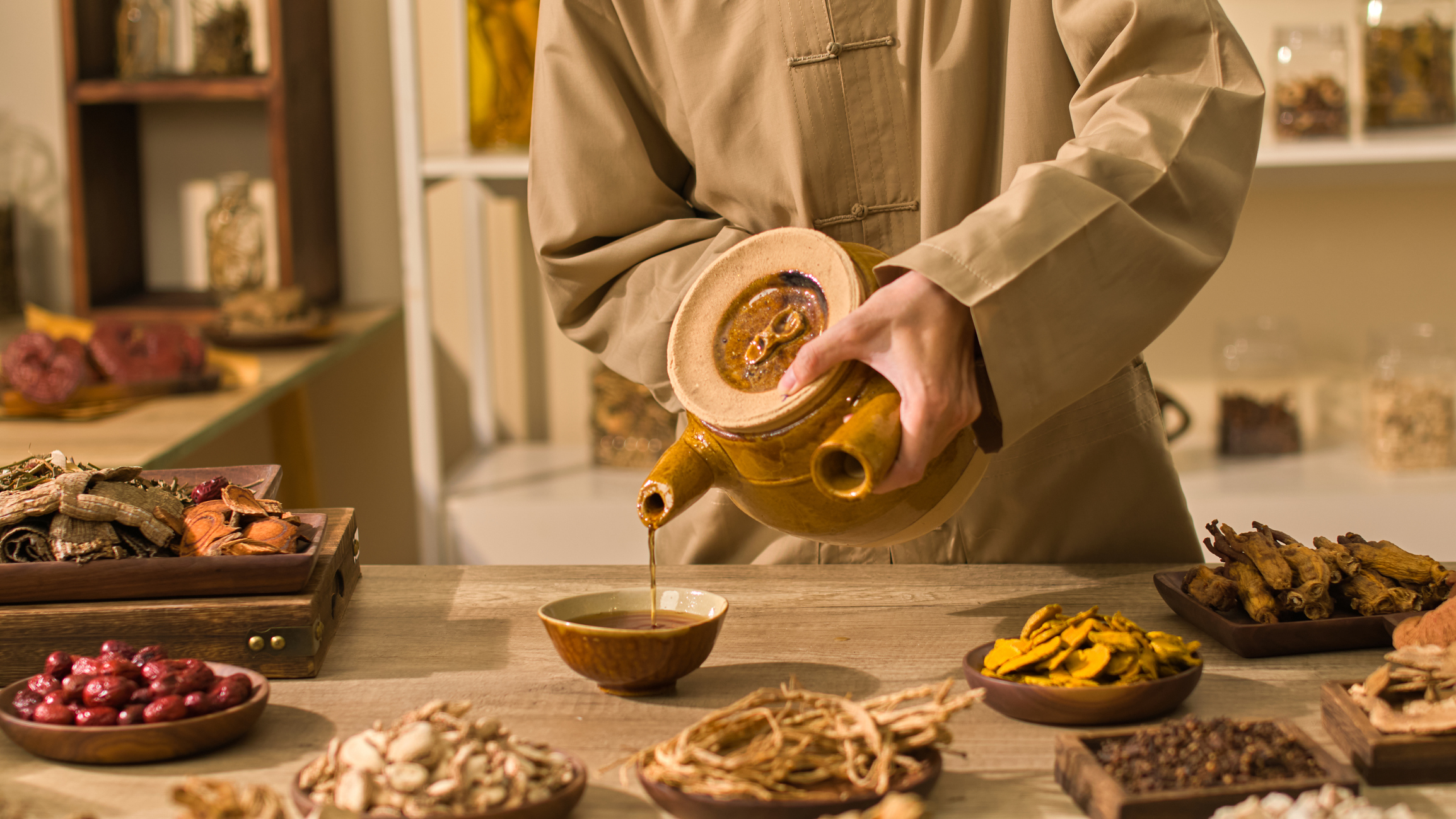






How to address Epstein-Barr virus reactivation with natural approaches
Photo Cred: Anna Shvets/Pexels
By Carolina Brooks, BA, IFMCP
I have seen a massive surge of viral reactivation in patients who are experiencing long-term effects of the novel coronavirus (COVID-19), also known as long COVID-19. In clinic, I am seeing patients coming in complaining of inflamed lymph nodes, recent gluten or egg sensitivity, digestive issues, extreme fatigue, and brain fog, as well as those who already have a diagnosed autoimmune disease such as Hashimoto’s thyroiditis, Crohn’s disease, ulcerative colitis, or multiple sclerosis.
A 2018 review in Frontiers in Oncology estimated the global prevalence of Epstein-Barr virus (EBV) to affect over 90 percent of the population. A 1999 review in Molecular Pathology also discussed EBV and its association with the development of a number of different cancers, including certain lymphomas, nasopharyngeal carcinomas and certain cancers of the stomach and smooth muscle, while a 2016 study in The Lancet found that EBV binds to the CD21 receptor on breast cells, leading to infection, causing cellular metabolism to shift, and accelerating breast cancer formation in some individuals later in life.
A young oligometastatic breast cancer patient who I have been working with for several years recently had a bone metastasis treated with radiotherapy. She had been diagnosed with COVID-19 a few months prior to treatment and had a mild case. However, her health took a downturn after the radiotherapy. Her gastric function deteriorated, she became fatigued, and complained of constantly heartburn, difficulty swallowing, a persistent cough, and tonsillitis. Her primary care physician recommended protein pump inhibitors and Loperamide to slow down gastric motility.
We did some bloodwork and found her EBV antibody titers were in the thousands, and she had now had a dysregulated thyroid and thyroid antibodies. It’s not clear if the viral reactivation in this case was due to the patient’s radiotherapy and its impact on her immune system or her COVID-19 infection, but a 2021 study in Scientific Reports found that 55 percent of patients were seropositive for EBV viral capsid antigen (VCA) IgM antibody indicating current viral replication, and these coinfection patients were more likely to experience fever and increased inflammation.
In addition, a 2020 study in Critical Care found a much higher number of patients who were intubated and treated in the intensive care unit for respiratory failure in an Innsbruck hospital had positive viremia, at 78 percent. In contrast, only 17 percent of these patients had evidence of cytomegalovirus viremia. With reactivated EBV, you might see low zinc and suppressed white blood cell count, as well as low vitamin D.
What this has means for me as a clinician is that I am focused on testing patients for EBV and other stealth pathogen reactivation so we can treat accordingly, even if patients did not experience COVID-19 severely, because this viral reactivation triggering EBV can have a knock-on effect and cause a downstream cascade of further immune dysregulation, including ulcerative colitis or Lyme flares, or loss of tolerance to foods or environmental factors.
Another test which is useful is measuring alpha-N-acetylgalactosaminidase (nagalase) in the blood. This is an enzyme which is secreted by cancer cells, and is also an intrinsic component of virion envelope proteins so is also secreted from virus-infected cells of EBV, and other viruses, leading to immunosuppression by inactivating macrophage activating factor (Gc-MAF). Vitamin D is key for supporting optimal function of Gc-MAF so maintaining optimal levels is critical, and medicinal mushrooms such as turkey tail (Coriolus versicolor), reishi (Ganoderma lucidum), and chaga (inonotus obliquus) for their antiviral, immunomodulating, and anti-inflammatory properties.
Other supplements and herbs to support and restore immune function, address viral load and block viral replication include high dose vitamin A, omega-3 fatty acids, zinc, alpha-lipoic acid, glutathione, selenium, transfer factors to restore Type 1 T helper (Th1)/Type 2 T Helper (Th2) balance, propolis in a throat spray, Baikal skullcap (Scutellaria baicalensis), liquorice (Glycyrrhiza glabra), olive leaf (Olea europea), echinacea (Echinacea angustifolia), and frankincense (Boswellia serrata), which is also a wonderful anti-inflammatory.
Supplements I have never found clinically useful as supplements which are extremely popular with practitioners for EBV include monolaurin, elderberry, or garlic, although I do include food sources.
I also use lysine, which has antiviral activity, and competes with arginine. Arginine is required for viral replication, and EBV citrullinates arginine, which can then trigger joint, thyroid, liver, neurological, or multiple food reactivity. A 2015 research article in Journal of Clinical & Cellular Immunology discussed the cross-reactivity of food-specific antibodies with EBV there were 40 foods which tested positive, the most reactive being egg, seaweed, cashew, and other plant and sea foods. High arginine foods such as meat and nuts should not be eaten in large quantities, and I generally recommend patients eliminate gluten and diary for a sustained period.
In my clinical experience, EBV patients do not do well on ketogenic or grain-free Paleo diets due to poor blood sugar regulation and mitochondrial dysfunction, and I recommend the focus is on including a high volume of brightly colored phytonutrient-rich foods, removing key triggers, processed foods and sugar. I don’t recommend liters of celery juice.
Stress is a key trigger for EBV reactivation and although most of my patients are working from home, I have to reiterate the need to prioritize and take regular breaks for movement and food. The most important lifestyle factor is to get these patients sleeping and in the event that patients are struggling, I will get them to focus on sleep hygiene, and get them using sleep supportive supplements and herbs, including melatonin to support circadian rhythm, magnesium glycinate, honokiol derived from magnolia bark, and lemon balm, which is also a potent antiviral.
References
Baumforth, K. R., Young, L. S., Flavell, K. J., Constandinou, C., & Murray, P. G. (1999) The Epstein-Barr virus and its association with human cancers. Molecular Pathology. Retrieved from: https://doi.org/10.1136/mp.52.6.307
Chen, T., Song, J., Liu, H., Zheng, H., Chen, C. (2021) Positive Epstein–Barr virus detection in coronavirus disease 2019 (COVID-19) patients. Scientific Reports. Retrieved from: https://doi.org/10.1038/s41598-021-90351-y
Hu. H, Luo, M., Desmedt, C.,Nabavi,S., Yadegarynia, S., Hong, A., Konstantinopoulous, P.A., Gabrielson, E., Hines-Boykin, R., Pihan, G., Yuan, X., Sotirious, C., Dittmer, D.P., Fingeroth, J.D., Wulf.G. (2016) Epstein–Barr Virus Infection of Mammary Epithelial Cells Promotes Malignant Transformation. EBioMedicine. Retrieved from: 10.1016/j.ebiom.2016.05.025
Lehner, G.F., Klein, S.J., Zoller, H., Peer, A., Bellmann, R., Joannidis, M. (2020). Correlation of interleukin-6 with Epstein–Barr virus levels in COVID-19. Critical Care. Retrieved from: https://doi.org/10.1186/s13054-020-03384-6
Smatti, M. K., Al-Sadeq, D. W., Ali, N. H., Pintus, G., Abou-Saleh, H., & Nasrallah, G. K. (2018) Epstein-Barr Virus Epidemiology, Serology, and Genetic Variability of LMP-1 Oncogene Among Healthy Population: An Update. Frontiers in Oncology. Retrieved from: https://doi.org/10.3389/fonc.2018.00211
Vojdani, A. (2015). Reaction of Monoclonal and Polyclonal Antibodies Made Against Infectious Agents with Various Food Antigens. Journal of Clinical & Cellular Immunology. Retrieved from: https://www.longdom.org/open-access/reaction-of-monoclonal-and-polyclonal-antibodies-made-against-infectious-agents-with-various-food-antigens-2155-9899-1000359.pdf
About the Author: CJ Weber

Also on Integrative Practitioner

Dental Danger: Signs of Sleep Breathing Disorders in children and Adults, Learn the Visual Clues
Non-Member Price: $30.00 Member Price: $18.00 – 40% Off for Members Only Add to Cart Presented by: Mark Breiner, DDS,...

Integrative and Comprehensive Approach to Inflammatory Bowel Disease
Non-Member Price: $30.00 Member Price: $18.00 – 40% Off for Members Only Add to Cart Presented by: Ronald Hoffman, MD,...

Measuring Biology vs. Symptomatology: The Fully Integrated Functional Wellness Program
Non-Member Price: $30.00 Member Price: $18.00 – 40% Off for Members Only Add to Cart Presented by: Dane Donohue, DC...

Change Your Genes, Change Your Life
Non-Member Price: $30.00 Member Price: $18.00 – 40% Off for Members Only Add to Cart Presented by: Kenneth Pelletier, PhD,...

Guided Imagery – Efficacious, Portable, Scalable, User-Friendly, Self-Administered
Non-Member Price: $30.00 Member Price: $18.00 – 40% Off for Members Only Add to Cart Presented by: Belleruth Naparstek, ACSW...