







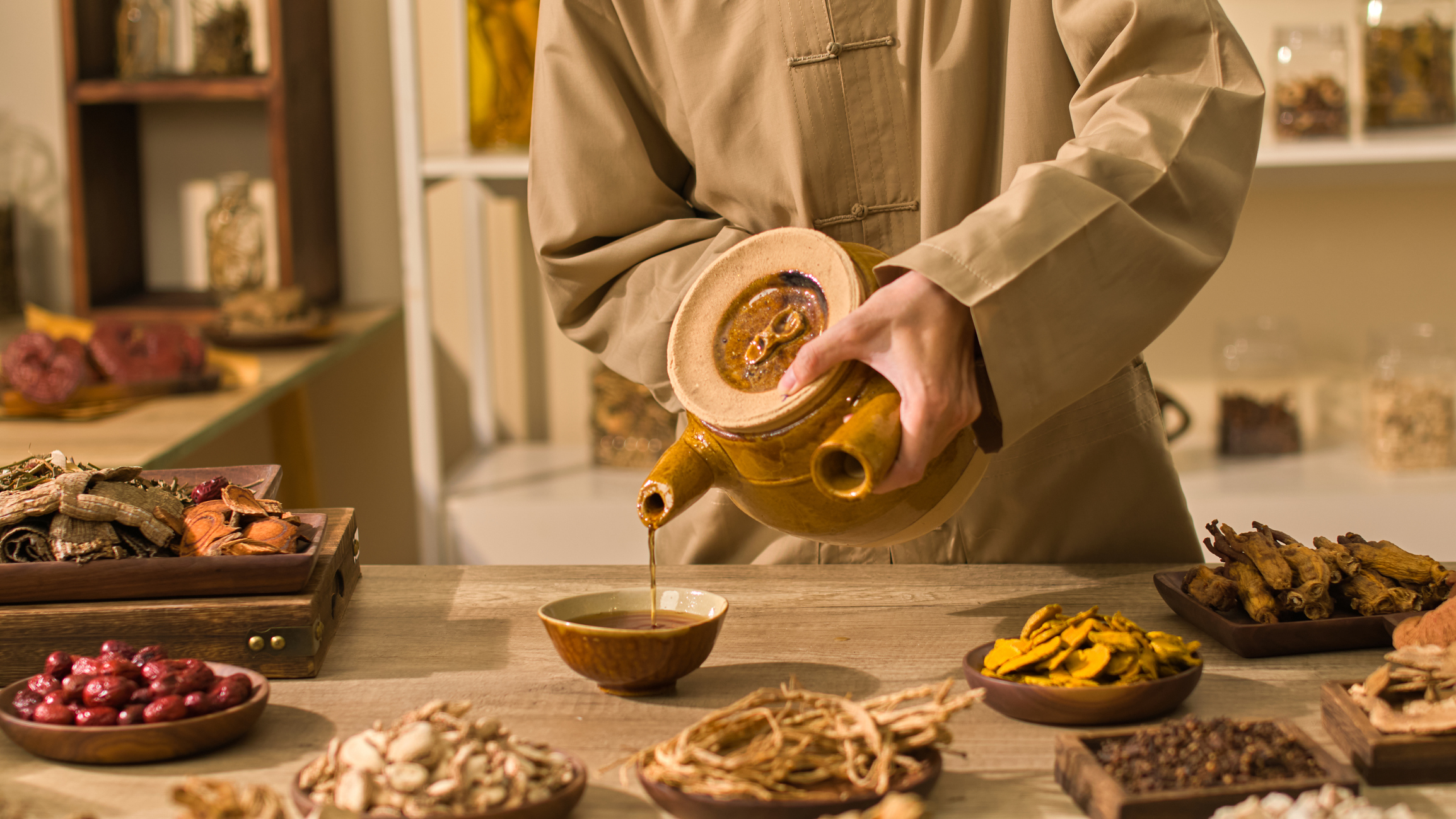


Enhancing mental performance and brain health with nootropic and nervine herbs
By Carolina Brooks, BA, IFMCP
I see numerous practitioners as patients. They eat clean, engage in regular detox protocols, and religiously engage in stress management techniques. But some feel their performance is flagging, their memory is poor, and they have concerns about the possibility of future cognitive decline, so they want to take a preventative approach. They all want to know about nootropic herbs, and what they can do to improve their mental acuity, self-care, and reestablish boundaries between clinic hours and the rest of their day.
A 2016 paper in Evidence-Based Complementary and Alternative Medicine defines nootropics as comings which enhance motivation, memory, concentration, and attention. The benefits of natural herbal compounds extend far beyond cognitive function and improving brain health. These plants contain chemicals which not only protect neurons from inflammation and oxidative stress, but enhance levels of brain derived neurotrophic factor (BDNF) in the brain, which enhances the growth and repair of neurons. Plant chemicals can also mimic, block, and enhance neurotransmitter signaling. Nootropics are not just limited to herbs, and there are numerous pharmaceuticals and supplements available on the market that purport to enhance cognitive performance.
Many nootropic herbs are also adaptogens, a remarkable group of plant compounds, which improve stress resilience, modulate the hypothalamic-pituitary-adrenal (HPA) axis, help our bodies adapt to stressors, and resist infection. I offer several I recommend on a consistent basis.
Rosemary can be grown in most gardens or in plant pots on a windowsill, and contains powerful antioxidant compounds. It improves cerebral circulation and boosts acetylcholine signaling, as well as improves gamma-Aminobutyric acid, dopamine, and serotonin activity. A 2017 article examined supplementation of oligomeric proanthocyanidins (OPCs), present in plants such as blueberries, green tea, ginkgo, and cacao as an adjuvant therapy for attention-deficit/hyperactivity disorder. They found Theta/Beta brain wave ratios improved upon supplementation.
Tulsi has been traditionally used in Ayurveda for thousands of years as a calming nervine tonic and HPA axis regulator. A well-known adaptogenic brain rasayana is ashwagandha, well known for its neuroprotective, anxiolytic, memory, and neurotransmitter-enhancing properties. Gingko is well-regarded as a cerebral circulatory and memory stimulant. It is particularly useful for neurodegenerative disease, head trauma and to counter fatigue.
Bacopa and tulsi have also been used in Ayurveda for centuries to calm the nervous system and improve memory. Bacopa contains compounds known as bacosides, which promote neuronal growth and slow progression of cognitive decline while tulsi contains ociumosides, which calm, enhance mood, and protect the brain. Even good-quality dark chocolate has brain benefits. Cacao contains theobromine, which enhances dopamine and serotine activity in the brain and the chemical phenylethylamine, and improves focus, motivation, and helps to create a feeling of happiness.
My advice to practitioners looking to begin using these brain-boosting herbs is to incorporate them into their daily routine so their use becomes second nature, adding them to meals and smoothies, taking them as teas, added to hot drinks as a powder, or taken in rapid-acting tincture-based brain tonics. They may have an instant effect, but should be taken for a minimum of three months to see longer-term improvement in cognitive function, ideally taking multiple herbs in combination.
It is always best to consult a qualified herbal practitioner who uses good quality organic products to ensure herbal blends are tailored to your health concerns and dosed correctly. There are numerous supplements made by reputable companies who follow Good Manufacturing Practice (GMP) guidelines, so this is a great option, not just for practitioners to take themselves, but for their patients, especially as many of these companies offer excellent training materiala and practitioner support tools.
It’s essential to check for potential interactions with medications and to start with a low dose to avoid overstimulation. Rosemary causes headaches in some and stimulating plants such as coffee and cacao can affect sleep by inhibiting adenosine activity in the brain.
The trend for nootropics isn’t limited to health-conscious clinicians moving away from traditional stimulants such as coffee. In a competitive work environment, nootropics can help create competitive advantage. According to a report published by Zion Market Research in January 2019, the global nootropics market is estimated to reach $5,959 million by 2023. Many synthetic nootropics can have significant adverse psychiatric effects as described in a 2015 article in Innovations in Clinical Neuroscience, including insomnia, gastrointestinal discomfort, tremors, myalgias motor function impairment, vertigo, memory loss, and fatigue, which is why I strongly advocate the use of gentle herbal compounds.
A 27-year-old male working in a highly stressful job in investment banking called my practice to book an appointment. He wanted to discuss what he could do to improve his performance at work. He was suffering from energy and concentration slumps, as well as poor memory recall, which prolonged his working hours and led people to question his abilities. He struggled to get to sleep, unable to switch off due to high levels of anxiety in the evenings. He was following a self-described semi-carnivore diet, consisting of high saturated fat and animal proteins, high levels of refined carbohydrates and low phytonutrient intake. He was drinking multiple cups of coffee daily and occasionally taking Modafinil and Adderal, bought online from websites that did not require a prescription.
Based on our discussion, I proposed we focus on neurotransmitter balance and synthesis. I had to explain that he was not getting the full benefits of the nutrients in his diet because he was not assimilating them correctly, and he lacked the digestive capacity and the nutritional co-factors to do so. He was open to dietary changes, gut healing, and optimizing detoxification pathways, but wanted to see profound shifts quickly to maintain motivation and improve his mental acuity to ensure performance at work.
Alongside the dietary shifts and stress management techniques, I also prescribed some herbal blends for him, a cognition mix for the daytime including ginkgo, rosemary, Korean ginseng, and bacopa, as well as a sleep mix to calm anxiety, reduce circulating thoughts and restore HPA axis activity containing herbs such as California poppy, passionflower, and oat straw, a powerful neurotrophorestorative.
Within a week, I received an email from him saying his focus was better than it had been in years, and he was able to complete his tasks at work quickly. The sleep and dietary changes took a little longer, but once he had introduced good sleep hygiene, reduced screen time, and started blocking blue light, he felt less anxious in the evening and his sleep quality improved. Three months down the line, he hasn’t taken Modafine or Adderal again, he is no longer reliant on caffeine to get through the day and his performance is finally being commended at work.
References
Greenblatt, J. and Lee, W. (2017) Optimizing Attention Deficit Hyperactivity Disorder (ADHD) Treatment with Oligomeric Proanthocyanidins (OPCs). Retrieved from: http://www.townsendletter.com/Oct2017/ADHD1017.html
Suliman, N., Taib, C., Moklas, M., Adenan, M., Baharuldin, M., and Basir, R. (2016). Establishing Natural Nootropics: Recent Molecular Enhancement Influenced by Natural Nootropic. Evidenced-based Complementary and Alternative Medicine, Volume 2016, Article ID 4391475. Retrieved from: https://www.ncbi.nlm.nih.gov/pmc/articles/PMC5021479/pdf/ECAM2016-4391375.pdf
Talih, F. and Ajaltouni, M. (2015) Probable Nootropicinduced Psychiatric Adverse Effects: A Series of Four Cases. Innovations in Clinical Neuroscience, 2015 Nov-Dec; 12(11-12): 21-25. Retrieved from: https://www.ncbi.nlm.nih.gov/pmc/articles/PMC4756795/pdf/icns_11_12_21.pdf
Yance, D. (2013) Adaptogens in Medical Herbalism: Elite Herbs and Natural Compounds for Mastering Stress, Aging, and Chronic Disease. Healing Arts Press.
About the Author: CJ Weber

Also on Integrative Practitioner

Measuring Biology vs. Symptomatology: The Fully Integrated Functional Wellness Program
Non-Member Price: $30.00 Member Price: $18.00 – 40% Off for Members Only Add to Cart Presented by: Dane Donohue, DC...

Integrative and Comprehensive Approach to Inflammatory Bowel Disease
Non-Member Price: $30.00 Member Price: $18.00 – 40% Off for Members Only Add to Cart Presented by: Ronald Hoffman, MD,...

Dental Danger: Signs of Sleep Breathing Disorders in children and Adults, Learn the Visual Clues
Non-Member Price: $30.00 Member Price: $18.00 – 40% Off for Members Only Add to Cart Presented by: Mark Breiner, DDS,...

Dietary Needs of the Cognitively Impaired
Non-Member Price: $30.00 Member Price: $18.00 – 40% Off for Members Only Add to Cart Presented by: Laura Rokosz, PhD...

Lifestyle Choices Chart Your Brains Destiny
Non-Member Price: $30.00 Member Price: $18.00 – 40% Off for Members Only Add to Cart Presented by: David Perlmutter, MD,...