








Integrative approaches for neurological autoimmunity
Photo Cred: Carolina Heza/Unsplash
By Carolina Brooks, BA, IFMCP
The number of patients I see in clinic who are experiencing neurological autoimmune processes has increased in recent years. Many of these patients will present with severe insomnia; balance, coordination, and speech difficulties; cognitive dysfunction; vision issues; and muscle spasms. Standard magnetic resonance imaging (MRI) and bloodwork might not yield any findings. When I completed specialist training in protocols for cognitive decline, I started to incorporate cognitive assessment and brain region questionnaires into my initial intake, and a basic neurological exam into my initial consultation to help me to better identify patients at an early stage of neurological autoimmunity before extensive tissue destruction creates enough deficit to create severe symptoms.
Some of the most common drivers I see for the pathogenesis of neurological autoimmunity in clinic are oral pathogens. A 2020 review in Frontiers in Neurology discussed the prevalence of high levels of Porphyromanas gingivalis in multiple sclerosis (MS) patients. Other stealth pathogens that may play a role include Borrelia species, as well as Lyme co-infections, and Epstein-Barr virus (EBV). A 2007 review in Journal of Experimental Medicine found evidence of EBV infection in nearly one hundred percent of MS patients examined, but found no evidence of EBV in other inflammatory neurological diseases.
A 2017 review in Frontiers in Neuroscience also discusses celiac disease and its extraintestinal neurological manifestations. Studies have shown tissue transglutaminase antibodies on cerebellar blood cells due to the cross reactivity between gliadin cerebellar antigens. The most frequent neurological manifestation is cerebellar ataxia, but there may also be gaze movement disorders and dysarthria. In my clinical experience, when the patient strictly removes gluten and dairy, a known cross-reactive food to gluten, they will see a significant, positive shift in their symptom picture.
A 2019 paper in Frontiers in Immunology discusses the possibility of inducing an autoimmune response after ischemic stroke or brain injury. A recent patient described her history of multiple traumatic brain injuries (TBIs). She had a history of horse-riding accidents and multiple automobile accidents, developed severe anxiety, and is suffering from memory issues as well as problems with organization and mood instability. This patient had a positive test result for thyroid antibodies, as well as S 100 calcium-binding protein B antibodies (S100B), indicating blood brain barrier breach and glial priming.
Astrocytes are a sub-type of glial cell, and they usually act in an antiinflammatory manner and produce trophic factors such as brain derived neurotrophic factor (BDNF). When primed, they then increase of pro-inflammatory cytokines and reactive oxygen species. In addition, blood brain barrier (BBB) permeability can mean that previous controlled virus or bacterial infections can be reactivated, exacerbating inflammation, and a dysregulated immune response.
For these patients, the priority is to stabilize them, which should provide some symptomatic relief, and identify their triggers and drivers. It’s important to test to understand health status, if stealth pathogens are present, and identify potential nutrient depletions. I preemptively removing cross-reactive foods from the diet that I suspect are problematic while we wait for results, eliminate inflammatory foods, and promote a diet high in phytonutrients and omega-three fatty acids. A low histamine approach is helpful, but my biggest concern with other practitioners are doing, is that they are often asking these patients to switch over to a ketogenic diet far too quickly. This restrictive diet is often completely inappropriate for these patients if they have little support at home or are dealing with neuropsychiatric symptoms which leave them feeling fearful, overwhelmed, and unmotivated.
Additionally, I find many of my patients also benefit from limbic system retraining programs to support their recovery once they have stabilized. Another recommendation is reducing toxic environmental exposures by cleaning up the environment at home and at work, addressing air and water quality issues, reducing exposure to plastics, and reviewing the ingredients of personal are and home products and switching out potential triggers. I also get these patients to start implementing stress management strategies, particularly addressing vagus nerve dysfunction, which is common after a TBI.
Hyperbaric oxygen therapy (HBOT) is helpful for addressing neuroinflammation and high levels of oxidative stress, and has been used to support MS treatment for many years. A 1983 clinical trial in The New England Journal of Medicine discussed the positive impact of HBOT on advanced MS patients, and with my patients I see improved immune, cognitive and neurological function, as well as better overall quality of life. Frequency specific microcurrent is helpful for supporting nervous system function, modulating inflammation, and expediting tissue healing.
Further, I use herbal compounds such as California poppy, turmeric, resveratrol, magnolia bark and lavender to regulate neuroinflammation. Supplements such as diamine oxidase, melatonin, carnitine, glutathione, and green tea extract can be helpful for dampening histamine response, stabilising immune function and reducing reactive oxygen species in the brain.
Case Study
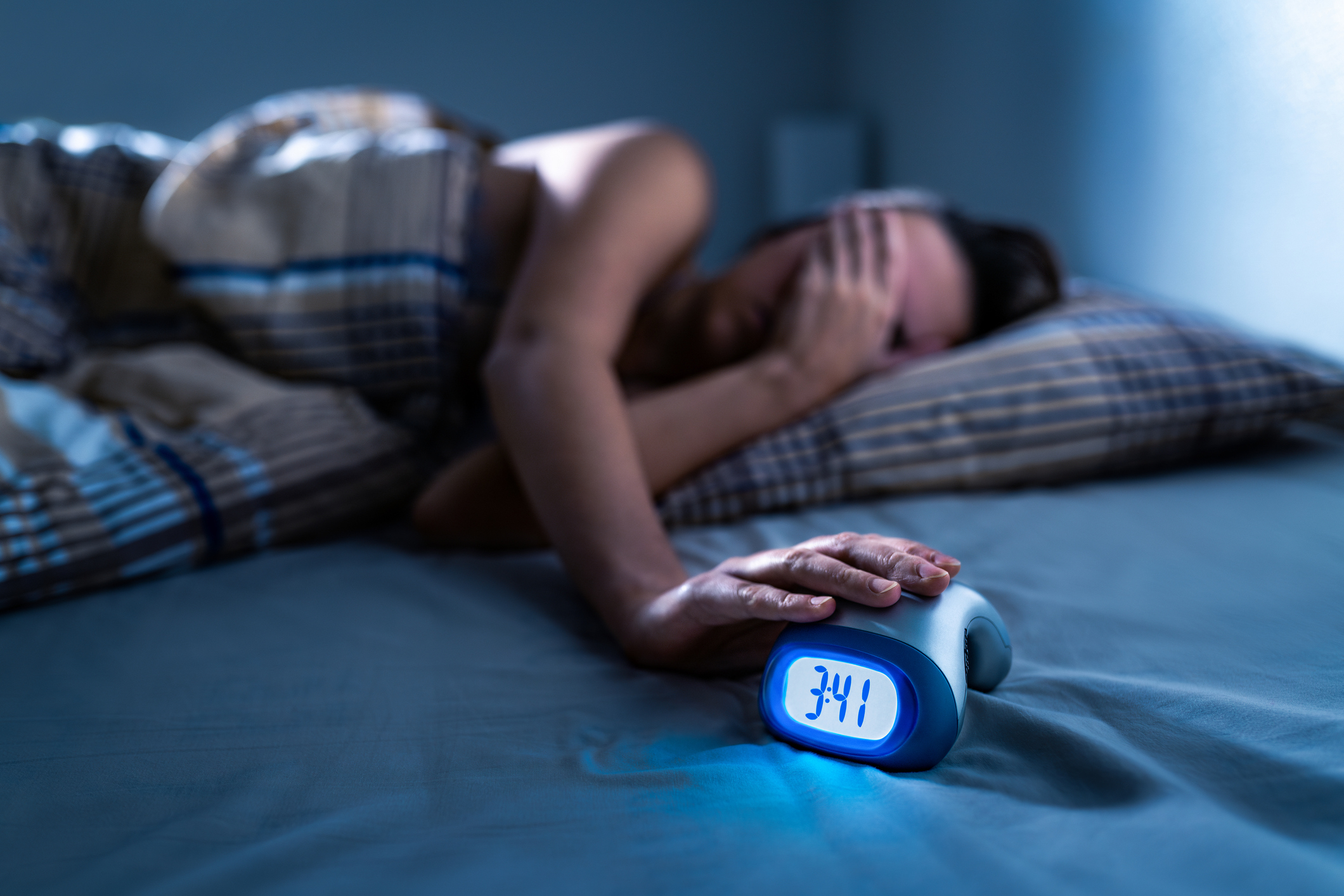
I’ve been working with a seventeen-year-old patient for four months who presented with multiple allergies, severe eczema, and chronic insomnia. The insomnia onset was insidious, but meant she was unable to sleep at all at night, only sleeping a few days a week for a few hours at a time. She was struggling to attend school and had developed severe anxiety about not being able to sleep. Her diet was poor, and high in processed and junk foods, even though she was severely allergic to many foods, was fearful of trying herbs, and had been attending a clinic for low dose immunotherapy (LDI) to regain tolerance to allergens.
While we waited for her test results, I asked her to follow a gluten, dairy and sugar-free diet and got her on some basic supplements to restore digestive function and optimize assimilation of nutrients. After the first month, she had noticed a slight reduction in her eczema but admitted that she had not been fully compliant with her dietary adjustments. I reiterated to her mother the importance of doing this, or she would not experience progression, especially as her she had tested positive for multiple neurological proteins, pathogens, and toxic compounds, including bisphenol-A (BPA), parabens, and various other chemicals. We also did some skin swabs and she tested positive for methicillin-resistant Staphylococcus aureus (MRSA) in multiple areas. At this point we also introduced a calendula and lavender hydrosol to use topically and a gentle steroid-free natural eczema cream.
After the second month, the patient was now being compliant with her diet. We still had not seen much change in the insomnia, but skin was much clearer, gut function was better and she was able to tolerate a few more foods. At this point, I recommended that the patient stop LDI to see if this would make a difference, and we introduced magnolia bark and some simple herbal teas such as plantain, thyme, and blackcurrant leaf to calm, support, stabilize and clear the gut.
After the third month, the patient’s skin was completely clear and she was sleeping more frequently, although getting to sleep in the morning. We decided she would then have a few weeks off technology to see she was sensitive to electromagnetic fields. She noticed a significant difference in that time, so now the family turns off the Wi-Fi at night.
During our most recent session, the patient was happy to report that although she has some nights where she does not sleep, she is now able to get to bed at a normal time. She continues to be compliant with her diet, and her most recent MRSA swabs have come up completely clear. She feels confident about trying new foods and is now willing to try a herbal tincture blend for her sleep.
References
Fischer, B. H., Marks, M., & Reich, T. (1983) Hyperbaric-oxygen treatment of multiple sclerosis. A randomized, placebo-controlled, double-blind study. The New England journal of Medicine, 308(4), 181–186. Retrieved from: https://doi.org/10.1056/NEJM198301273080402
Javidi, E., & Magnus, T. (2019) Autoimmunity After Ischemic Stroke and Brain Injury. Frontiers in Immunology, 10, 686. Retrieved from: https://doi.org/10.3389/fimmu.2019.00686
Pennisi, M., Bramanti, A., Cantone, M., Pennisi, G., Bella, R., & Lanza, G. (2017) Neurophysiology of the “Celiac Brain”: Disentangling Gut-Brain Connections. Frontiers in Neuroscience, 11, 498. Retrieved from: https://doi.org/10.3389/fnins.2017.00498
Sanchez, J., McNally, J. S., Cortez, M. M., Hemp, J., Pace, L. A., & Clardy, S. L. (2020) Neuroimmunogastroenterology: At the Interface of Neuroimmunology and Gastroenterology. Frontiers in Neurology, 11, 787. Retrieved from: https://doi.org/10.3389/fneur.2020.00787
Serafini, B., Rosicarelli, B., Franciotta, D., Magliozzi, R., Reynolds, R., Cinque, P., Andreoni, L., Trivedi, P., Salvetti, M., Faggioni, A., & Aloisi, F. (2007) Dysregulated Epstein-Barr virus infection in the multiple sclerosis brain. The Journal of ExperimentalMmedicine, 204(12), 2899–2912. Retrieved from: https://doi.org/10.1084/jem.20071030
About the Author: CJ Weber

Also on Integrative Practitioner

Dental Danger: Signs of Sleep Breathing Disorders in children and Adults, Learn the Visual Clues
Non-Member Price: $30.00 Member Price: $18.00 – 40% Off for Members Only Add to Cart Presented by: Mark Breiner, DDS,...

Integrative and Comprehensive Approach to Inflammatory Bowel Disease
Non-Member Price: $30.00 Member Price: $18.00 – 40% Off for Members Only Add to Cart Presented by: Ronald Hoffman, MD,...

Measuring Biology vs. Symptomatology: The Fully Integrated Functional Wellness Program
Non-Member Price: $30.00 Member Price: $18.00 – 40% Off for Members Only Add to Cart Presented by: Dane Donohue, DC...

Change Your Genes, Change Your Life
Non-Member Price: $30.00 Member Price: $18.00 – 40% Off for Members Only Add to Cart Presented by: Kenneth Pelletier, PhD,...
Guided Imagery – Efficacious, Portable, Scalable, User-Friendly, Self-Administered
Non-Member Price: $30.00 Member Price: $18.00 – 40% Off for Members Only Add to Cart Presented by: Belleruth Naparstek, ACSW...