








Sleep disorders increase risk of Alzheimer’s disease
Photo Cred: Burst/Pexels
By Catherine Darley, ND
Alzheimer’s disease memory loss, confusion, mood changes, and other symptoms takes a huge toll on patients and their families. There is also a societal cost, both in terms of increased healthcare expenses and, more importantly in the loss of quality of life.
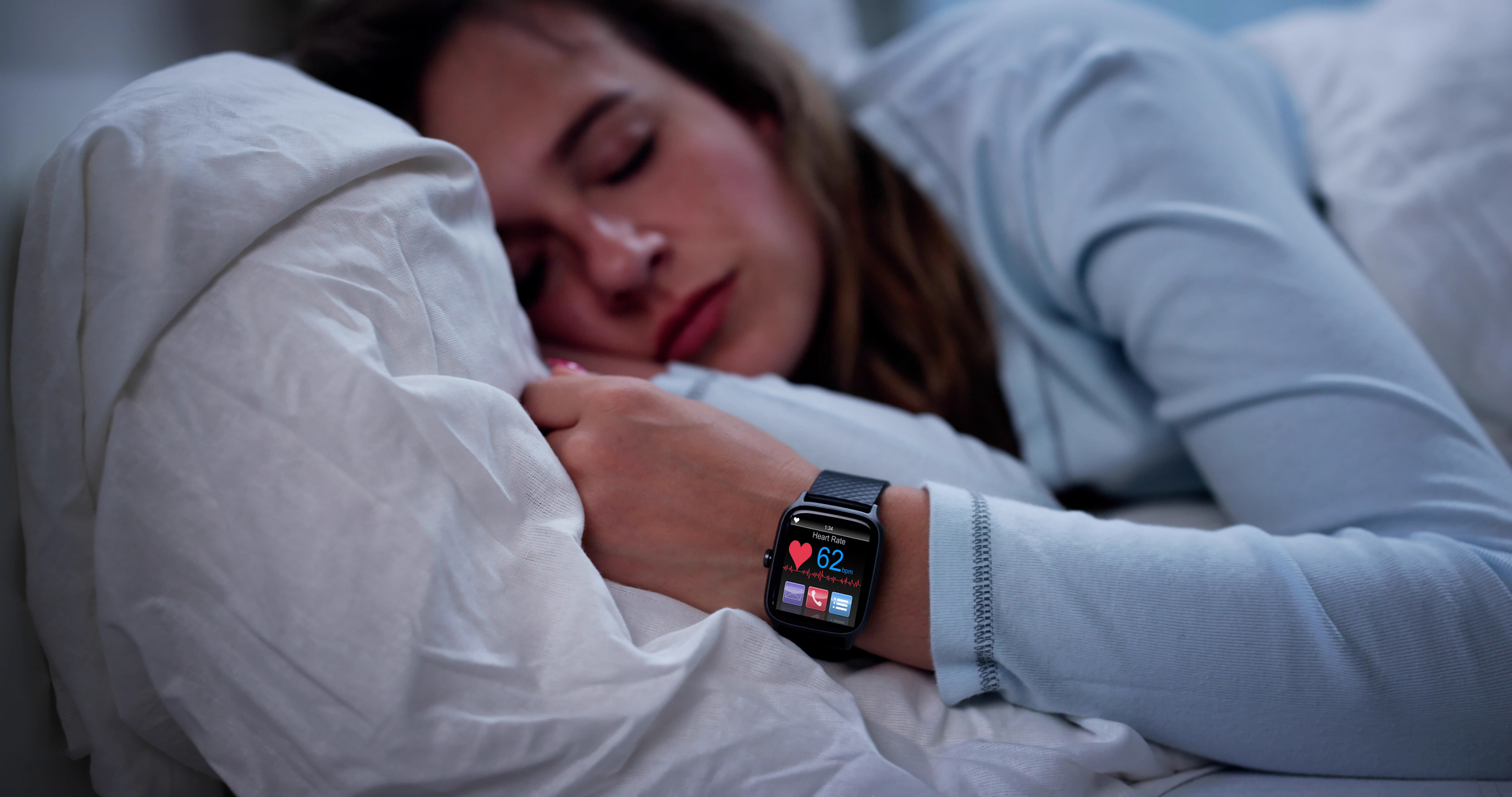
Some of the known modifiable risk factors include obesity, diabetes, hypertension, hypercholesterolemia, head injuries, and smoking. There are additional risk factors in the sleep space which can be addressed in the integrative care setting. About 70 percent of Alzheimer’s disease patients have some type of sleep disorder.
In Alzheimer’s disease, there is an abnormal accumulation of beta-amyloid and hyperphosphorylated tau proteins in the brain. In a healthy individual, waste products are cleared from the brain via the glymphatic system. During normal sleep, these glymphatic channels open significantly, suggesting that sleep is important for clearing metabolic waste products. In fact, the highest levels of beta amyloid in the cerebral spinal fluid are found before sleep and are lowest after sleep.
In one study, 20 healthy people underwent a night of sleep deprivation, and then levels of beta-amyloid where measured in the brain by PET scan. Compared to the well-rested state, there was a significant increase in beta-amyloid after sleep deprivation. This was especially true in areas of the brain involved in Alzheimer’s disease.
People suffering from Alzheimer’s disease will have sleep changes trending similarly to healthy elders, but more severe. These sleep changes progressively worsen along with the Alzheimer’s dementia. More wakefulness through the night will occur, fragmenting normal sleep architecture, and causing a shorter total sleep time, more time in stage 1 and 2 sleep, and less stage 3 sleep. Note, those with less stage 3 sleep have increased tau proteins.
The result is lower sleep efficiency, total sleep time and time in bed, which is less a satisfying sleep for patients. In advanced Alzheimer’s disease, specific EEG waveforms may become indistinct and be labeled indeterminate non-REM.
Many patients experience obstructive sleep apnea (OSA). In OSA, the airway repeatedly closes, causing an immediate cascade of events, including cyclic deoxygenation, increased heart rate and blood pressure, changes in hemodynamics, and sleep fragmentation. This, in turn, increases the patient’s risk of metabolic disease, including obesity and diabetes, hypertension, heart attack, and stroke.
Research has found that Alzheimer’s patients have five times the risk of having OSA compared to their age-matched peers. Those people with more severe Alzheimer’s symptoms are likely to have more severe OSA. Animal research suggests that intermittent hypoxemia, a key feature of OSA, increases brain amyloid plaques, which could be part of the mechanism connecting these disorders. The sleep fragmentation of OSA also probably contributes to the clinical picture of Alzheimer’s in that REM sleep is important for memory consolidation and neuroplasticity. Small studies evaluating the effect of treating OSA in Alzheimer’s patients with continuous positive airway pressure (CPAP) find some improvement in mood, sleep, and executive function, along with a slowing of cognitive decline.
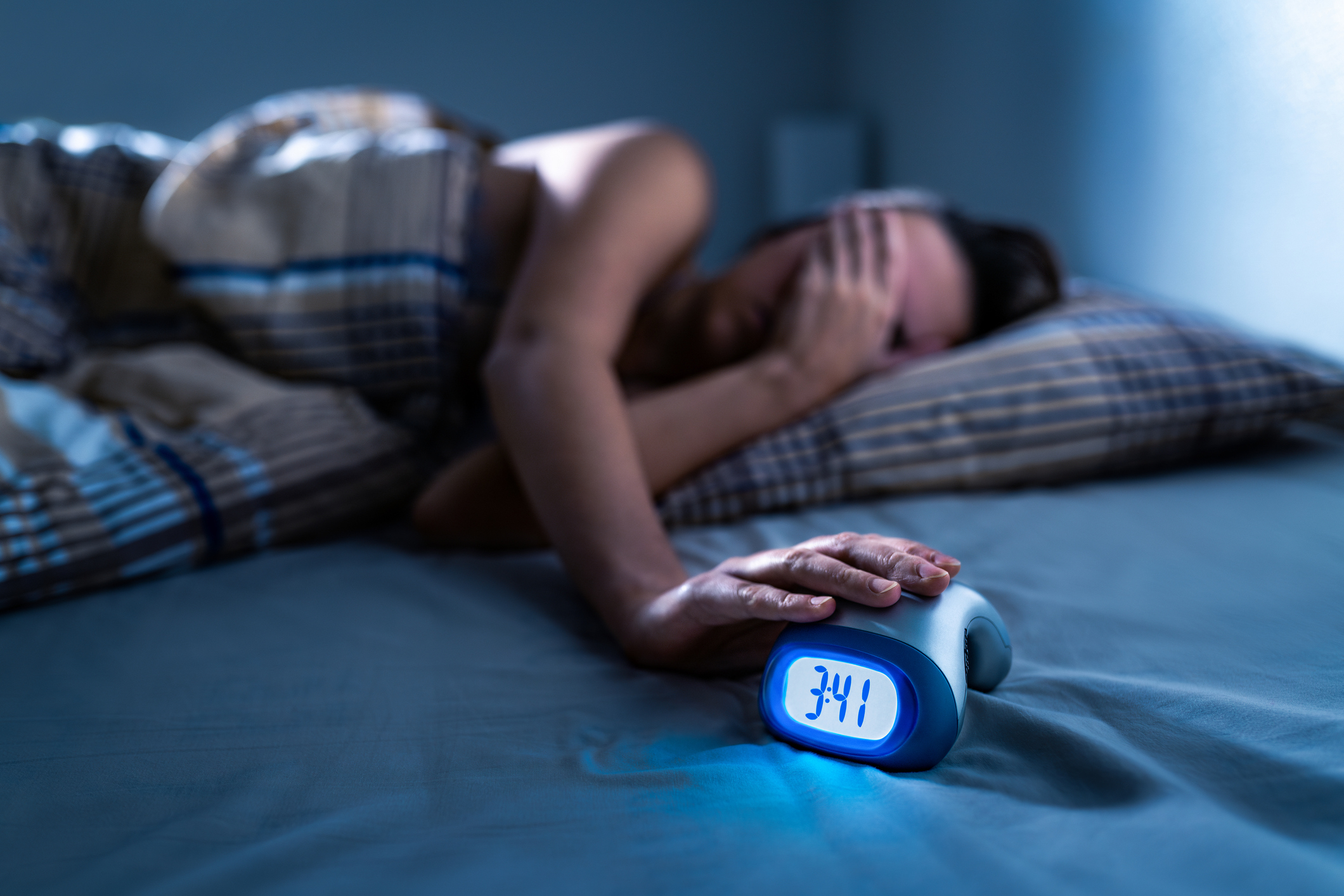
Insomnia can present at any point in the night, falling asleep initially, the middle of the night, waking too early, or simply feeling unrefreshed. People with insomnia followed from their 50’s onward for forty years have a 51 percent increased risk of developing Alzheimer’s disease compared to those who sleep well. Thus, insomnia and Alzheimer’s disease have a bidirectional relationship, and may be a feedback loop, each worsening the other.
Treatment with hypnotics is itself associated with significantly increased risk for Alzheimer’s disease. The hazard ratio for developing Alzheimer’s disease in those taking sedative-hypnotics is 1.79, especially for those taking more than 360 daily doses. There is increased risk with many drug classes including benzodiazepines, zolpidem, antidepressants, and low-dose antipsychotics. The American Academy of Sleep Medicine recommends cognitive behavioral therapy for insomnia (CBT-I) as the first line treatment for insomnia, with sedative-hypnotics to be used only in conjunction with CBT-I in severe cases, or if CBT-I has failed.
We know that bright daylight entrains our circadian system. Part of aging is the aging of the eye, so that less light is received. With less of that circadian cue there is a reduced circadian amplitude. The standard health recommendation for seniors is to be outside or at least in front the window in the first two hours of the day. If night lights are needed for safety, use products in the warm, yellow-red spectrum rather than blue or full spectrum bulbs.
Research shows that people with Alzheimer’s disease who get light therapy may respond with improved nocturnal sleep, rest-activity patterns, and less agitation. Unfortunately, at this point the studies are small, and test various light intensities and timing with mixed results. For integrative practitioners, light therapy may be a useful therapeutic tool.
Modifying identifiable risk factors will help patients and avoid developing this debilitating condition. A logical place to start is ensuring patients are getting healthy light exposure, such as bright natural light during the day and darkness at night, following historical light exposure patterns. Screen for sleep disorders, and sedative-hypnotic use, then treat as needed. As our population ages, the number of people with Alzheimer’s disease may increase. Now is the time to take a preventive approach, screening and treating our patients for sleep disorders that can contribute to the development of Alzheimer’s disease.
References
Andrade, A., Bubu, O.M, Varga A.W., Osorio, R.S. The relationship between obstructive sleep apnea and Alzheimer’s Disease. (2018) J Alzheiers Dis. Retrieved from: https://www.ncbi.nlm.nih.gov/pmc/articles/PMC6542637/
Borges, C.R., Poyares, D., Piovezan, R., Nitrini, R., Bruck, S. Alzheimer’s disease and sleep disturbancesL a review. (2109) Arq Neuropsiquiatr. Retrieved from: https://pdfs.semanticscholar.org/ab0f/a3ee7a29146a85da242cabef01c61df95632.pdf
Figueiro, M.G. Light, sleep and circadian rhythms in older adults with Alzheimer’s disease and related dementias. (2017) Neurodegener Dis Manag. Retrieved from: https://pubmed.ncbi.nlm.nih.gov/28534696/
Lee, J., Jung, S.J., Choi, J., Shin, A., Lee, Y.J. Use of sedative-hypnotics and the risk of Alzheimer’s dementia: a retrospective cohort study. (2018) Plos ONE. Retrieved from: https://journals.plos.org/plosone/article?id=10.1371/journal.pone.0204413
Shamim, S.A., Warriach, Z.I., Tariq, M.A., Rana, K.F., Malik, B.H. Insomnia: risk factor for neurodegenerative diseases. (2019) Cureus. Retrieved from: https://pubmed.ncbi.nlm.nih.gov/31807391/
Shokri-Kojori, E., Wang G., Wiers, C.E., Demiral, S.B., Guo, M., Kim, S.W., Lindgren, E., Ramirez, V., Zehra, A., Freeman, Cl, Miller, G., Manza, P., Srivastava, T., De Santi, S., Tomasi, D., Benveniste, H., Volkow, N.D. Beta-amyloid accumulation in the human brain after one night of sleep deprivation. (2018) PNAS. Retrieved from: https://www.pnas.org/content/pnas/115/17/4483.full.pdf
Spinedi, E., Cardinali, D.P. Neuroendocrine-metabolic dysfunction and sleep disturbances in neurodegenerative disorders: focus on Alzheimer’s disease and melatonin. (2019) Neuroendocrinology. Retrieved from: https://pubmed.ncbi.nlm.nih.gov/30368508/
About the Author: CJ Weber

Also on Integrative Practitioner

Dental Danger: Signs of Sleep Breathing Disorders in children and Adults, Learn the Visual Clues
Non-Member Price: $30.00 Member Price: $18.00 – 40% Off for Members Only Add to Cart Presented by: Mark Breiner, DDS,...

Integrative and Comprehensive Approach to Inflammatory Bowel Disease
Non-Member Price: $30.00 Member Price: $18.00 – 40% Off for Members Only Add to Cart Presented by: Ronald Hoffman, MD,...

Measuring Biology vs. Symptomatology: The Fully Integrated Functional Wellness Program
Non-Member Price: $30.00 Member Price: $18.00 – 40% Off for Members Only Add to Cart Presented by: Dane Donohue, DC...

Change Your Genes, Change Your Life
Non-Member Price: $30.00 Member Price: $18.00 – 40% Off for Members Only Add to Cart Presented by: Kenneth Pelletier, PhD,...

Guided Imagery – Efficacious, Portable, Scalable, User-Friendly, Self-Administered
Non-Member Price: $30.00 Member Price: $18.00 – 40% Off for Members Only Add to Cart Presented by: Belleruth Naparstek, ACSW...