







Therapeutic benefits of naps across lifespan
Photo Cred: PIxabay/Pexels
By Catherine Darley, ND
As a naturopathic doctor and sleep specialist, I am asked about napping frequently. In the medical community, there is no clear discussion on whether naps are beneficial to health. However, as more people are working from home with the flexibilities to take a midday break, understanding naps, their effects, use as treatment, and recommendations is becoming increasingly important.
From infancy through preschool, children nap regularly. This is due to rapidly building sleep pressure during wakefulness, as demonstrated by high levels of slow wave activity during these naps. Once less slow wave activity is observed, the naps decline. At that same time, children are better able to function well for extended periods. The changes in 24-hour sleep totals are really a reflection of naps being dropped, rather than a decrease in nocturnal sleep.
Research shows, in general, sleep norms are:
- Infants ages 4-12 months old should get 12-16 hours, including naps
- Toddlers ages 1-2 years old should get 11 -14 hours, including naps
- Preschoolers ages 3-5 old should get 10-13 hours, including naps
Parents who are concerned that their child is getting sufficient sleep may consider capturing those “hidden” naps, which could be occurring unobserved in the stroller or when riding in the car. Of course, there is wide individual variability in the age when children are done with naps. Once a child no longer sleeps during the day, they may benefit from having quiet time in the afternoon.
On the other end of the lifespan, studies show that older adults are more likely to nap than younger or middle-aged people. This is likely due to both lifestyle changes, such as increased opportunity to nap, and biology, including the diminished amplitude of the circadian rhythm seen with aging.
Cognitive benefits include improved learning, memory formation, executive control, and emotional stability. There is also enhancement of athletic performance. However, there are several concerns regarding naps from a clinical perspective. Particularly in the older population, naps are associated with increased health problems, including depression, diabetes, hypertension, and cognitive decline. One proposed mechanism for this association is that chronic inflammation contributes to disease, and habitual napping may be a red flag for other disease processes.
Naps are particularly relevant for some sleep disorders. For shift workers, a “nap lifestyle” may help meet both their sleep needs and lifestyle commitments.
I recently had a patient who had to work a very early shift from 5:30 a.m. to 2 p.m., which required her to wake up at 4 a.m. and go to bed at 8 p.m. for sufficient sleep. Her social life was very important to her, yet she was significantly restricted by her sleep hours. She began napping with a secondary sleep period from 2:30 p.m. to 4 p.m., followed by her primary sleep hours from 9:30 p.m. to 4 p.m. This allowed ample time for social engagement in the evenings. This type of split sleep schedule can also work well for teens who have to rise early for school, but aren’t sleepy until late at night.
Narcolepsy is another sleep disorder in which naps can be use prophylactically to decrease the risk of a sleep attack and improve alertness. The recommendation from the American Academy of Sleep Medicine is two 15-minute scheduled naps each day, at the time the individual is most sleepy.
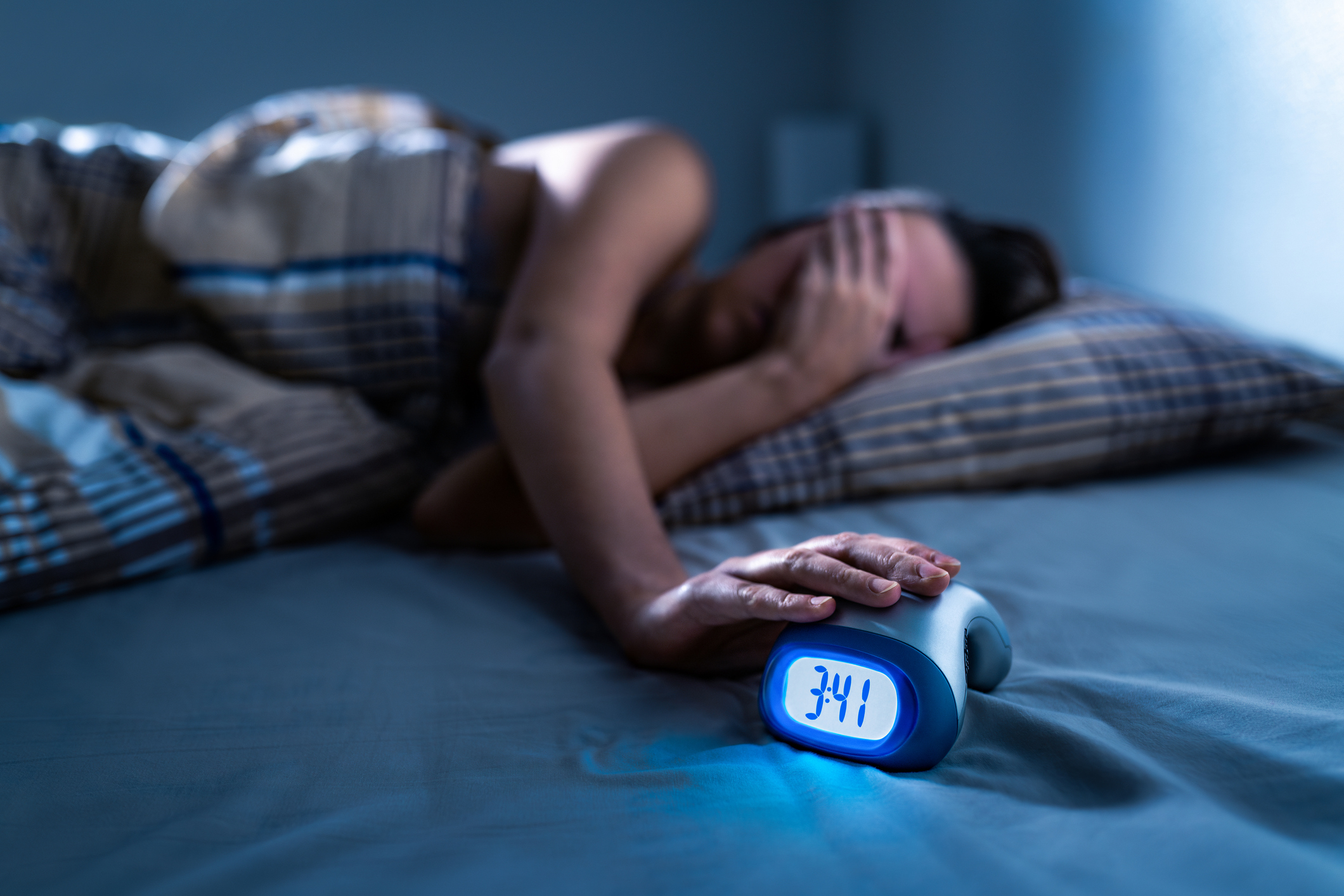
However, naps can be problematic in some sleep disorders, primarily insomnia. People suffering from insomnia can feel tired in the late afternoon or early evening, so they take a nap. Yet, this nap discharges some of their sleep drive, thereby making it more difficult to fall asleep at bedtime, which further increases their anxiety about their ability to sleep.
Some questions to ask patients include:
- How often do you nap?
- How long are your naps?
- What time of day are the naps?
- Do they interfere with your nighttime sleep?
- Are you falling asleep unintentionally? Where?
If someone reports falling asleep unintentionally, be sure to find out where and under what circumstances. It is not unusual for someone with severe sleepiness or a sleep disorder, such as from obstructive sleep apnea, to report falling asleep at stop signs or stop lights while driving.
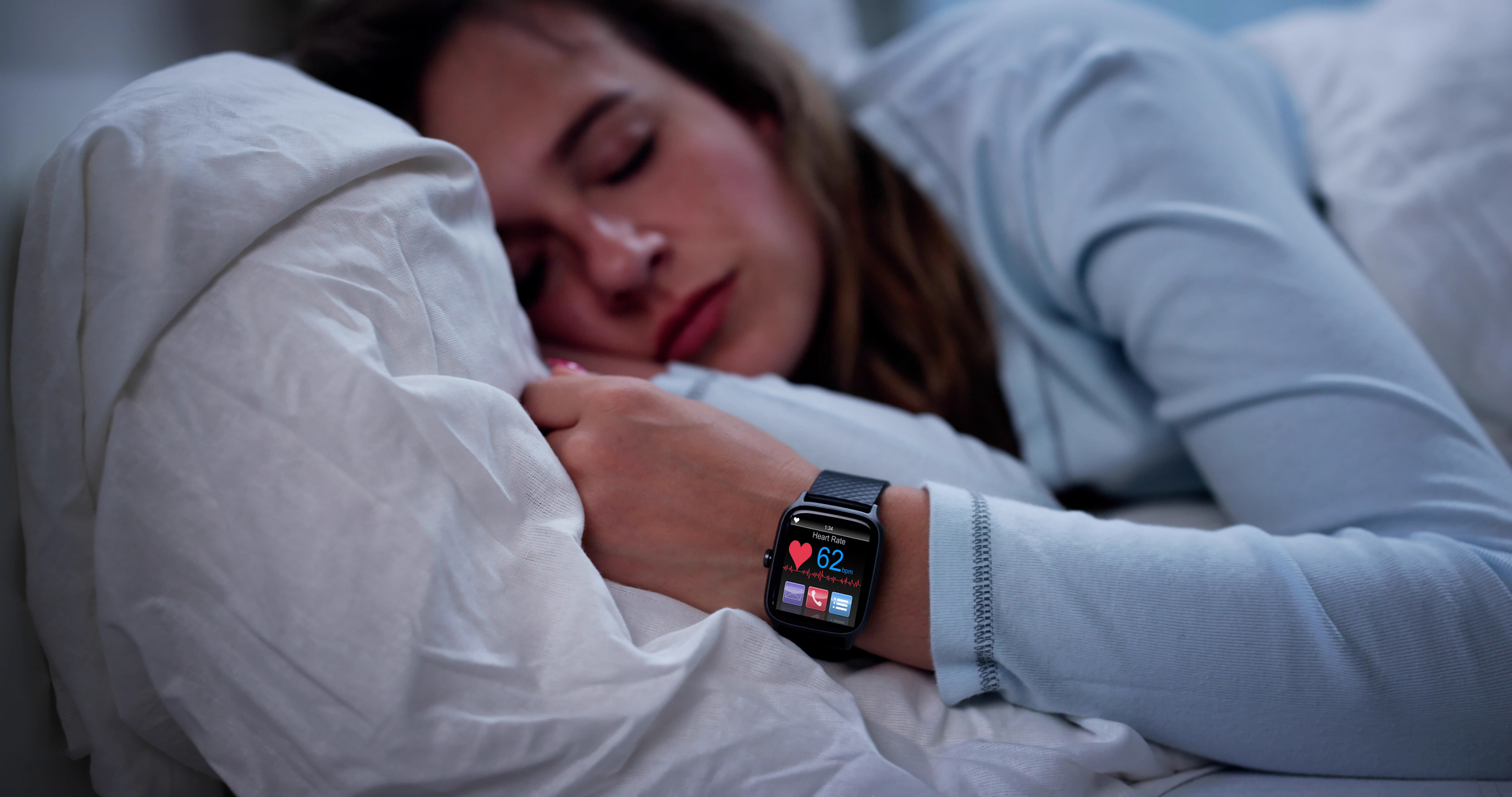
Another strategy I’ve seen patients use is a “coffee nap,” which has been shown to improve alertness and performance. The strategy is to quickly consume a cup of coffee, which has about 100 milligrams of caffeine, then nap for 20 minutes. Both act on adenosine, a drowsiness-causing compound that builds up during wake times, to increase alertness. The nap works by decreasing adenosine, and the caffeine by blocking adenosine from receptors. This is not recommended for common use, but only for situations where a rapid increase in alertness is required, as in long and unavoidable drives.
The general recommendations for naps are to take them for either a short period, less than 30 minutes, or for a full sleep cycle of 90 to 110 minutes. It’s best to avoid waking up 45 to 60 minutes into the nap, when you are more likely to wake from deep sleep. Waking from deep sleep can often result in feeling less refreshed and takes about 20 minutes to fully wake from. Naps should be avoided too close to bedtime so not to interfere with nocturnal sleep. An ideal time to nap is during that circadian lull in the early afternoon 1 p.m. to 3 p.m.
From a clinical standpoint, I recommend asking patients if they are taking naps. On the one hand, they can serve as a warning signal for emerging health conditions, particularly in elderly patients. On the other hand, some patients may benefit from strategic nap prescriptions to improve cognitive, physical, and emotional wellbeing.
References
Bonnet, M.H., Arand, D.L. The use of prophylactic naps and caffeine to maintain performance during a continuous operation. (1994) Ergonomics. Retrieved from: https://pubmed.ncbi.nlm.nih.gov/8026448/
Kurth, S., Lassonde J.M., Pierpoint L.A., Rusterholz, T., Jenni, O.G., McClain, I.J., Achermann, P., Lebourgeous, M.K. Development of nap neurophysiology: preliminary insights into sleep regulation in early childhood. (2016) J Sleep Res. Retrieved from: https://www.ncbi.nlm.nih.gov/pmc/articles/PMC5135687/
Li, J., Vitiello, M.V., Gooneratne N. Sleep in normal aging. (2018) Sleep Med Clin. Retrieved from: https://www.ncbi.nlm.nih.gov/pmc/articles/PMC5841578/#R22
Mantua, J., Spencer, R.M.C. Exploring the nap paradox: are mid-day sleep bouts a friend or foe? (2017) Sleep Med. Retrieved from: https://www.ncbi.nlm.nih.gov/pmc/articles/PMC5598771/
Morganthaler,T.I., Kapur, V.K., Brown, T.M., Swick, T.J., Alessi, C., Aurora, R.N., Boehleike, B., Chesson, A.L., Friedman, L., Maganti, R., Pancer, J., Zak, R. Practice parameters for the treatment of narcolepsy and other hypersomnias of central origin. (2007) SLEEP. Retrieved from: https://j2vjt3dnbra3ps7ll1clb4q2-wpengine.netdna-ssl.com/wp-content/uploads/2017/07/PP_Narcolepsy.pdf
Paruthi, S., Brooks, L.J., D’Ambrosio, C., Hall, W.A., Kotagal, S., Lloyd, R.M., Malow, B.A., Maski, K., Nichols, C., Quan, S.F., Rosen, C.L., Troester, M.M., Wise, M.S. Recommended amount of sleep for pediatric populations: a consensus statement of the American Academy of Sleep Medicine. (2016) J Clin Sleep Med. Retrieved from: https://www.ncbi.nlm.nih.gov/pmc/articles/PMC4877308/
About the Author: CJ Weber

Also on Integrative Practitioner

Dental Danger: Signs of Sleep Breathing Disorders in children and Adults, Learn the Visual Clues
Non-Member Price: $30.00 Member Price: $18.00 – 40% Off for Members Only Add to Cart Presented by: Mark Breiner, DDS,...

Integrative and Comprehensive Approach to Inflammatory Bowel Disease
Non-Member Price: $30.00 Member Price: $18.00 – 40% Off for Members Only Add to Cart Presented by: Ronald Hoffman, MD,...

Measuring Biology vs. Symptomatology: The Fully Integrated Functional Wellness Program
Non-Member Price: $30.00 Member Price: $18.00 – 40% Off for Members Only Add to Cart Presented by: Dane Donohue, DC...

Change Your Genes, Change Your Life
Non-Member Price: $30.00 Member Price: $18.00 – 40% Off for Members Only Add to Cart Presented by: Kenneth Pelletier, PhD,...
Guided Imagery – Efficacious, Portable, Scalable, User-Friendly, Self-Administered
Non-Member Price: $30.00 Member Price: $18.00 – 40% Off for Members Only Add to Cart Presented by: Belleruth Naparstek, ACSW...