






How to incorporate ecological medicine into your patient practice
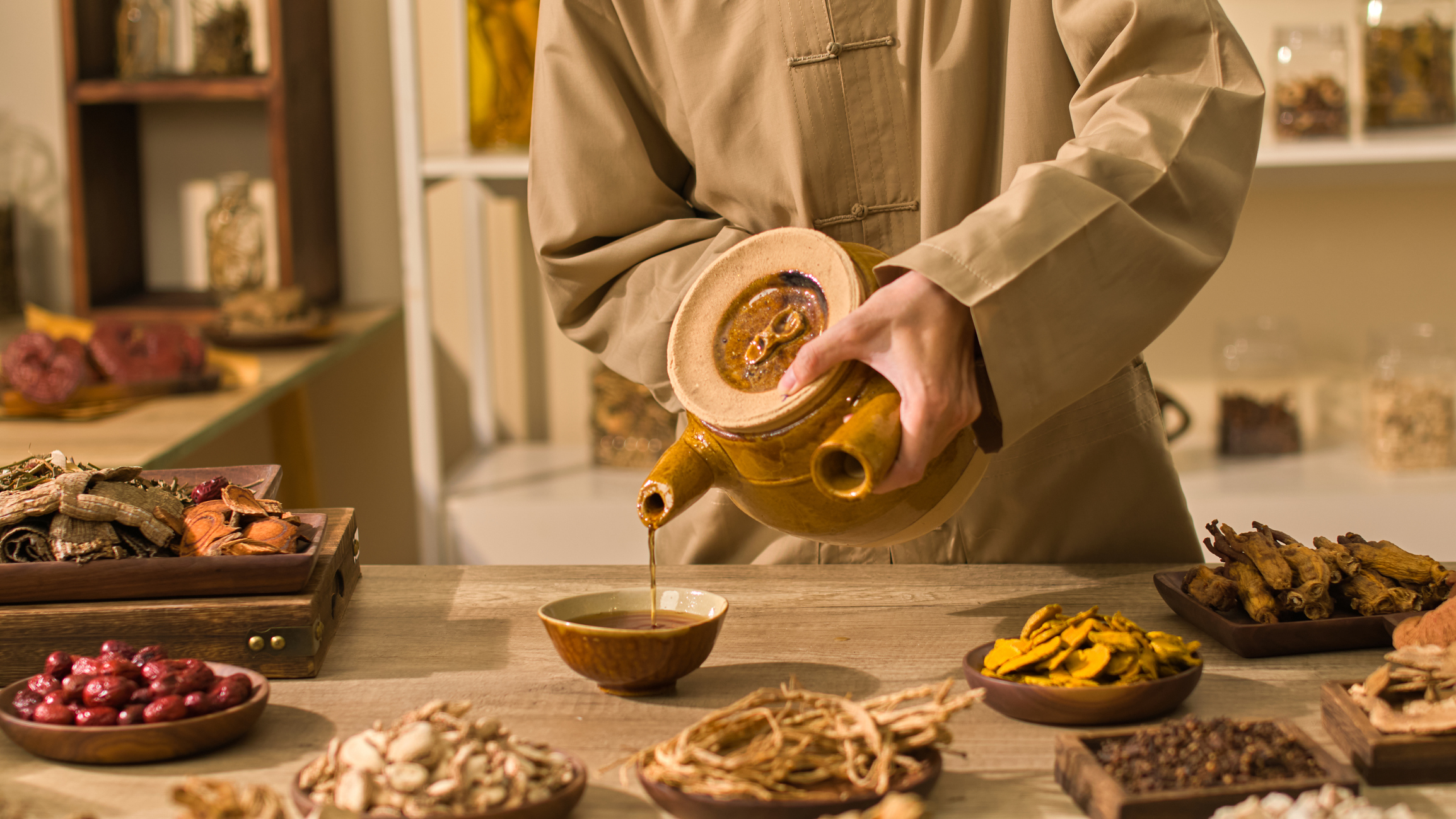
Photo Cred: Jacob Colvin/Pexels
By Avery St. Onge
Including ecological medicine in your practice sets a tone that you care not only about the patient in front of you, but you also care about your community and the planet itself, according to Tristian Rowe, ND.
“Sometimes I think we forget to give back and to really honor each other by supporting other people and the planet by reducing our own negative impact on the environment,” said Rowe, founder of Ecologic Medicine in South Portland, Maine. “As practitioners we need to build other people up, whether it’s your patients or your local community.”
What is ecological medicine?
According to Ted Schettler, MD, MPH, science director for the Science & Environmental Health Network, ecological medicine is a field of inquiry and practice that intends to, or seeks to, broaden the scope of healthcare.
“It’s a framework that considers both the care and the health of ecosystems, populations, communities, and individual people, rather than focusing on one to the exclusion of others,” said Schettler.
People often equate ecological medicine with environmental medicine, said Rowe. While definitions vary, environmental medicine is generally centered around how environmental pollutants in the ecosystem impact human health and it was developed largely in the 20th century, Rowe explained. In the last 10 years, ecological medicine has emerged.
Environmental medicine recognizes the illnesses induced by exposure to biologic and chemical agents encountered in food, air, and water, Schettler said, but it often focuses only on the patient. Ecological medicine, however, encourages practitioners to go about their diagnoses and treatments in an ecologically-informed way.
For instance, antibiotics, when excreted by patients, pollute rivers with chemicals. Some antibiotics are more persistent than others in the environment and they can negatively impact wildlife. Ecological medicine would take this into consideration while prescribing medicines, finding a solution that’s best for both the patient and the environment, said Schettler.
According to Rowe, ecological medicine goes beyond environmental medicine and considers how nature, and human’s connection to nature impacts wellbeing from a physiological and mental health standpoint.
“We’re beginning to bridge this new era where the environment and nature is actually connected to medicine and healthcare, and we are finding new solutions and new ways of building healthier relationships with ourselves, our bodies, and the environment around us,” said Rowe.
Sarah Myhill, MB, BS, a naturopathic physician who specializes in ecological medicine based out of Knighton, Wales, United Kingdom, said that ecological medicine is just like natural medicine, orthomolecular medicine, and functional medicine.
“It is all about identifying the underlying mechanisms which result in clinical symptoms and pathology,” said Myhill.
Ecological medicine, according to Myhill, is about questioning why a patient is presenting certain symptoms and then answering how those symptoms came to be. Oftentimes these patient’s symptoms are a result of their environment and can be cured with natural resources, according to Myhill.
Not only do ecological medicine practitioners address the root cause of an illness, and address it in the most sustainable, natural way, they also consider how their clinic, its energy use, and methods of disposal, impact the environment, according to Schettler.
“If you look at the impact of medical care on public health and the environment, what you see is that the way mainstream medicine is often practiced in hospitals and clinics around the country has an adverse impact on public health and environments,” said Schettler.
Myhill agreed with this and wrote about it in her book, “Ecological Medicine, The Antidote to Big Pharma and Fast Foods.” She said that it’s up to medicine not to treat patients with pharmaceuticals, that often contribute to environmental harm, but to support and improve the earth’s health, and use its natural resources to heal patients.
“Humans are to the world what cancer is to humans: growing uncontrollably, invading parts where they should never be, and destroying the very being that nourishes them,” wrote Myhill.
Ecological medicine in practice
According to Rowe, ecological medicine and how its practiced, is up to interpretation. For Rowe, practicing ecological medicine revolves around the idea of connection. He said his priority is to connect with patients, but also, he seeks ways to connect to fellow practitioners, nature, and the community.
To do this, Rowe offsets the carbon emissions caused by his patient’s commute to and from his practice. In addition, he shows community support by donating a portion of his profits to local organizations. He also partners with different solar solution options to help facilitate the idea of renewable energy in Maine.
“I am really trying to find ways that build patients up for success every step of the way,” said Rowe. “That way, their health and wellness doesn’t stop when they leave the door. It’s all about the broader picture of all the threads of life and being able to support the whole network.”
In addition, Rowe tries to bring elements from nature into his clinic. He has added many plants to his office along with photographs of natural scenes and naturally crafted furniture. Rowe said details like these are important because they align with his vision of who he is. For his office, it was important that it embody his philosophies and demonstrate to patients that he cares about their wellbeing, the community, and the environment.
Rowe said his patient’s reactions to his practice vary. Some people, he said, have trouble grasping the concept because it’s such a different model of healthcare.
“There’s usually an educational component,” explained Rowe. “However, after we discuss where all of this is coming from, the most common reaction I get is, ‘this makes total sense.’”
Rowe said once he explains that not only are all the body’s internal system’s connected, but also everything going on in one’s life externally is connected to their body, patients are more open to the idea of ecological medicine.
“Once they leave the office, they take this idea that, ‘I am working on myself in my own health, and I get to get connected to my community,’” said Rowe.
To Schettler, one of the biggest factors of ecological medicine, especially for integrative practitioners, is encouraging patients to connect with nature. This is especially helpful for relieving symptoms of depression and anxiety, he explained
“By getting people out into nature, into an ecological system, where they’re interacting with flora and fauna, that is actually very healing,” said Schettler.
Rowe added that ecological medicine looks at all aspects of a patient’s life and analyzes how they’re affecting the patient’s health. He asks questions like, “What are your biggest stressors right now?” Many patients express dissatisfaction with their careers, Rowe explained. Stress related to work can aggravate health conditions, so Rowe dives into why they don’t like their job and what they can do to help not just their work life, but also their health and wellbeing.
“At some specific moments, I follow a very structured, integrative medical approach,” said Rowe. “Other times, it’s more coaching. So, you really look at things from a variety of perspectives as you go into these moments with people.”
Practicing ecological medicine: where to start
According to Myhill, the best place for a practitioner to start when incorporating ecological medicine into their practice is to ask the question, “why?” Instead of simply treating their symptoms, Myhill said practitioners should be asking what internal and external factors led to their health problems.
Rowe was introduced to the concept of ecological medicine through personal research. For practitioners interested in ecological medicine, he suggested doing a deep dive into concepts of eco-therapy and eco-psychology.
“Those really provide a unifying context over why our connection to nature and the environment is so important in terms of actual outcomes, like mental health and physical health. There’s so much research coming out these days on health and nature, ranging from the microbiome to mental health prevention and mental clarity,” said Rowe. “So, I would just say, dive in, just go for it.”
For those wanting to cultivate a more ecological practice, Schettler said it’s important to establish goals. For example, if a practitioner decides they want to reduce the waste produced by their clinic, they can start to have ecologically informed purchasing practices. Or, if a practitioner decides they want to reduce their electricity consumption, they can begin improving their use or heating and ventilation or install solar panels to the roof of their building, said Schettler.
Practitioners need to ask themselves if there are ways they can better support their patients, support their community, and bring more authenticity to the idea that the natural world has real impacts on human life, said Rowe.
“Life’s list of responsibilities is long,” said Rowe. “I think every now and then, we all have to pause and reflect on not only where we’re at now, but how we can build a better world that’s healthier, more sustainable, more connected, and more community focused.”
About the Author: CJ Weber

Also on Integrative Practitioner

Dental Danger: Signs of Sleep Breathing Disorders in children and Adults, Learn the Visual Clues
Non-Member Price: $30.00 Member Price: $18.00 – 40% Off for Members Only Add to Cart Presented by: Mark Breiner, DDS,...

Integrative and Comprehensive Approach to Inflammatory Bowel Disease
Non-Member Price: $30.00 Member Price: $18.00 – 40% Off for Members Only Add to Cart Presented by: Ronald Hoffman, MD,...

Measuring Biology vs. Symptomatology: The Fully Integrated Functional Wellness Program
Non-Member Price: $30.00 Member Price: $18.00 – 40% Off for Members Only Add to Cart Presented by: Dane Donohue, DC...

Change Your Genes, Change Your Life
Non-Member Price: $30.00 Member Price: $18.00 – 40% Off for Members Only Add to Cart Presented by: Kenneth Pelletier, PhD,...

Guided Imagery – Efficacious, Portable, Scalable, User-Friendly, Self-Administered
Non-Member Price: $30.00 Member Price: $18.00 – 40% Off for Members Only Add to Cart Presented by: Belleruth Naparstek, ACSW...