










Physiological Effects of Meditation
By Integrative Practitioner Staff
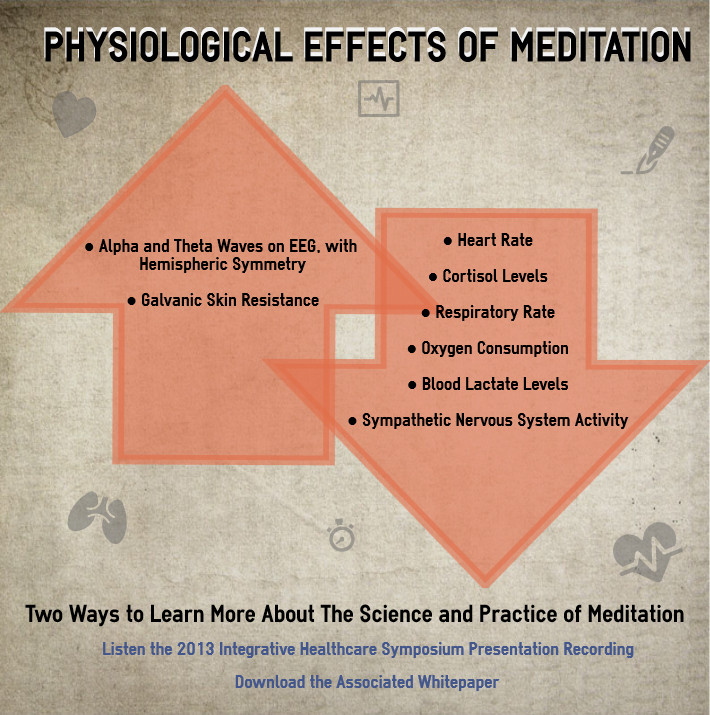
Serious scientific studies are investigating the physiological effects of meditation as well as the mental, physical and palliative benefits that meditation can offer patients. People who regularly practice meditation have unique EEG patterns, lower respiratory rates, stable blood pressure, and better immune responses. Controlled studies have shown that mindfulness meditation can help those battling anxiety, depression, substance abuse, and addiction. Understanding the purpose and motivation for meditation within the ancient traditions that developed is crucial to truly
To learn more about the Science of and Practice of Meditation, Listen to the 2013 Integrative Healthcare Symposium Presentation Recording or Download the Associated Whitepaper
About the Author: CJ Weber

Also on Integrative Practitioner

Dental Danger: Signs of Sleep Breathing Disorders in children and Adults, Learn the Visual Clues
Non-Member Price: $30.00 Member Price: $18.00 – 40% Off for Members Only Add to Cart Presented by: Mark Breiner, DDS,...

Integrative and Comprehensive Approach to Inflammatory Bowel Disease
Non-Member Price: $30.00 Member Price: $18.00 – 40% Off for Members Only Add to Cart Presented by: Ronald Hoffman, MD,...

Measuring Biology vs. Symptomatology: The Fully Integrated Functional Wellness Program
Non-Member Price: $30.00 Member Price: $18.00 – 40% Off for Members Only Add to Cart Presented by: Dane Donohue, DC...

Change Your Genes, Change Your Life
Non-Member Price: $30.00 Member Price: $18.00 – 40% Off for Members Only Add to Cart Presented by: Kenneth Pelletier, PhD,...

Guided Imagery – Efficacious, Portable, Scalable, User-Friendly, Self-Administered
Non-Member Price: $30.00 Member Price: $18.00 – 40% Off for Members Only Add to Cart Presented by: Belleruth Naparstek, ACSW...