




Silence as a therapeutic intervention
By Nancy Gahles
The accumulation of thoughts, worries, to-do lists, expectations, achievements, and goal setting accrue to an overburden on the brain. Too much noise creates stress and affects our vitality.
Stress and tension can be effectively measured through evaluation of blood pressure and blood circulation. A study published in the journal Heart found that two minutes of silence can prove to be more relaxing than listening to calming music.
A 2011 study published in the Journal of Neuroscience demonstrates that the brain shifts to default modes of processing when not actively interacting with the environment, meaning even when the brain is resting, it is perpetually active internalizing and evaluating information.
This default mode is also used during the process of self-reflection. In 2013, researchers in the journal Frontiers in Human Neuroscience found that the brain’s default mode was most closely observed during the psychological task of reflecting on one’s personality and characteristics, as in self-reflection. They found when an individual was not distracted by goal-oriented tasks, the brain is better able to process. During these periods of silence, the brain has the freedom to discover its place in the internal and external world.
It is from this place that one can “swim in the silence” and dwell in the stillness that offers the self-reflection from which arises concepts of selfhood, self-recognition, and self-esteem. A proper understanding of who we are, intrinsically, apart from academic milestones and material success, is fundamental to good mental health, and it is seriously deficient in our society at large.
Anxiety is pervasive and particularly so in children. As they struggle to juggle all the environmental influences that vie for their attention, the overwhelming stimuli can cause them to demonstrate anxious behaviors, sleep disorders, and cognitive disabilities.
I recently had two cases of children who had anticipation anxiety about school safety. In addition to the stress placed upon them for meeting academic and peer expectations, children fear for their safety in school with respect to the epidemic of school shootings. Both teachers and students have told me that they have anxiety over thinking about how they will protect themselves in case of a shooting. The lockdown drills present a constant stimulus to perseverate on this thought.
Fortunately, researchers have already found in a 2013 study that when mice were exposed to two hours of silence per day they developed new cells in the hippocampus. The hippocampus is the region of the brain associated with memory, emotion, and learning. Memory of past incidents, even if they didn’t happen to you, trigger emotions as if they did or will happen. This can affect learning.
It is incumbent upon those of us in the field to put the pedal to the metal, to become proactive in imagining new ways to integrate our newfound information into the truth for ourselves. Generally speaking , institutions and guidelines for standards of practice lag behind. Clinical outcomes often rule the day as we implement strategies and record results based on informed evidence. The most reliable form of evidence, in my opinion, is the patient testimony of how they have healed.
Let us consider those conditions that present themselves in our offices that may lend themselves to applications of silence, which include but certainly are not limited to anxiety disorders, processing issues , depression, isolation, low self-esteem, poor body image, eating disorders, dysphoria, behavioral disorders, attention deficit disorders, relationship dysfunction, oppositional behavior, overt sympathetic stimulation syndrome, parasympathetic dysregulation, fatigue, sleep disorders, musculoskeletal issues, heart conditions, and burnout syndrome, among others.
Successful strategies for self-care and patient prescriptions that I have found effective are two hours of silence per day. Break it up into intervals that induce relaxation according to tolerance. Begin with two minutes. Induce the relaxation response to silence. Embody it. Breathe with it until you can recognize the effect on your body, mood, and mind. Track the changes in body sensation, such as increased heart rate and increased breathing or breath-holding. Note the heart rate. Note the body temperature. While engaged in tracking sensations, the mind is distracted from thoughts. As you quiet your body, you quiet your mind.
Encourage silence in the morning. Upon waking, practice a body scan. Note sensations. If you wake up relaxed, note that. If not, do tracking and induce relaxation by breathing into the body scan.
Discourage list making until a peaceful state of mind has been established wherein you will be able to make good choices from your conscious workspace. This will prevent hastily made decisions arising from anxiety or other afflictive mind states.
Set your clock on your phone for three to five minute silence breaks during the day. Get up from your desk, change the work environment you are in, and take a walk. Silence in movement facilitates body connection, which brings you out of your mental state and back to yourself.
Before beginning a task, take a three-second silence. Breathe, clear your mind, self-reflect, and begin. This silence minimizes the risk of doubt or overthinking.
At the conclusion of a task, take a three-second break. Breathe, clear your mind, and self reflect. This minimizes the risk of regret.
At the end of the day, take as much silent time as you need. This is an opportunity to examine your conscience. Clear the day’s activities. Reflect upon your choices. Be self compassionate. There are always things we didn’t get to, things we could have done or done better. But be kind to yourself and nurture yourself. That is best done by simply being with yourself with no judgment and no criticism. Offer yourself praise. Swim in the silence. Allow imagination to arise and dance before your eyes. Find your inner truth and grow new cells in the silence of day dreaming. Be in your default mode. Cultivate self-esteem here.
Many people have a tradition of prayer and meditation that makes a practice of silence understandable and thus facilitates compliance. I always ask patients about their belief system as part of my intake.
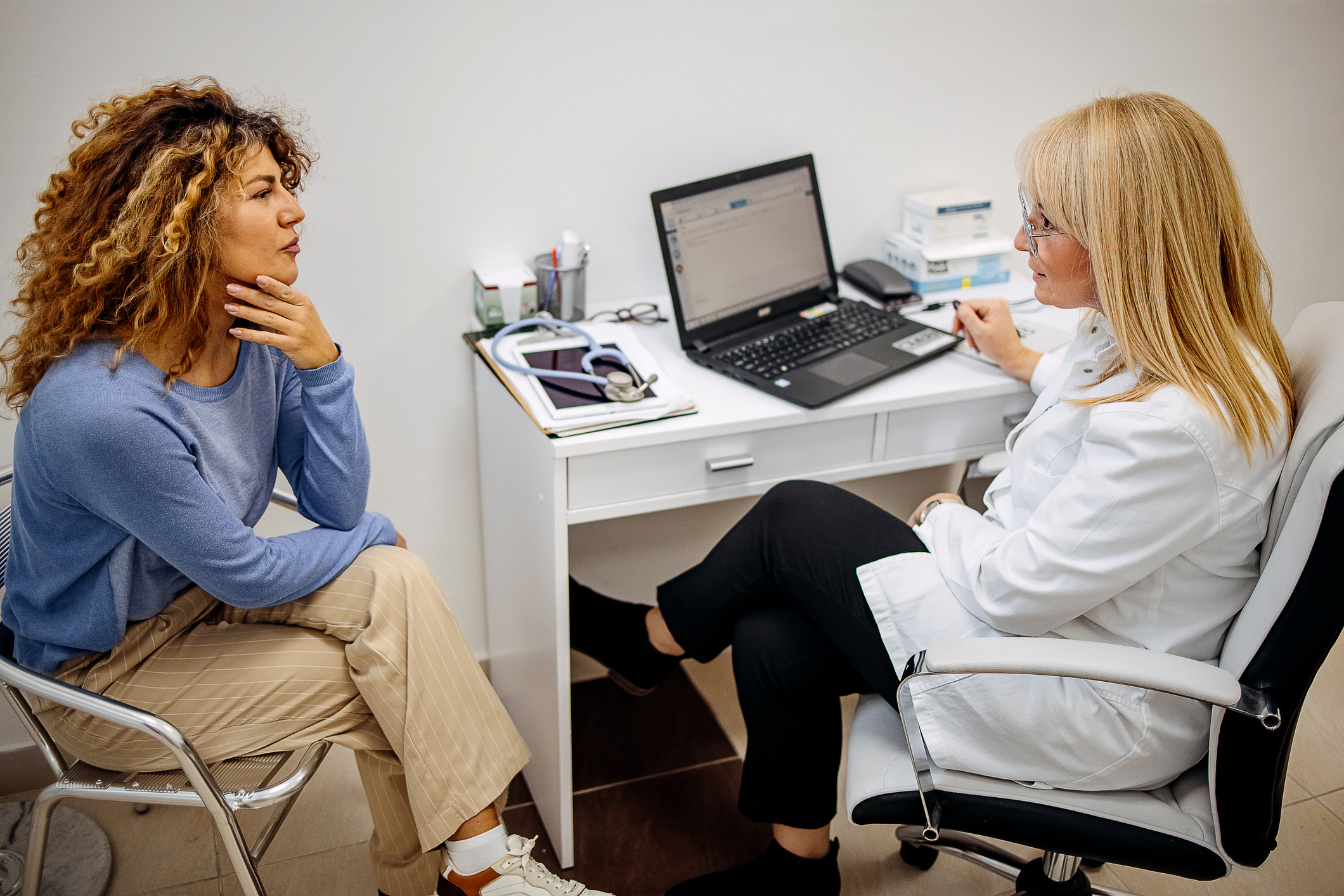
Note that hands-on healers, such as chiropractors, physical therapists, massage therapists, and nurses, can use silence as part of their practice. Consultations, for most practitioners can be peppered with moments of silence. Allow space. In the silence, people are called to process, to reflect, and to choose what they want to reveal. Allow them to enter default mode. It is not uncommon that patients are intimidated at the visit and may forget important information. Resist the impulse to rush to fill the space.
By providing focused illuminated space, a being will come into its own right rhythm in relation to itself and others. In this way, we can generate new brain cells and develop the networks necessary to advance the complex, interconnected system of humanity. At the end of the day, that is what we are all here for.
About the Author: CJ Weber

Also on Integrative Practitioner

Dental Danger: Signs of Sleep Breathing Disorders in children and Adults, Learn the Visual Clues
Non-Member Price: $30.00 Member Price: $18.00 – 40% Off for Members Only Add to Cart Presented by: Mark Breiner, DDS,...

Integrative and Comprehensive Approach to Inflammatory Bowel Disease
Non-Member Price: $30.00 Member Price: $18.00 – 40% Off for Members Only Add to Cart Presented by: Ronald Hoffman, MD,...

Measuring Biology vs. Symptomatology: The Fully Integrated Functional Wellness Program
Non-Member Price: $30.00 Member Price: $18.00 – 40% Off for Members Only Add to Cart Presented by: Dane Donohue, DC...

Change Your Genes, Change Your Life
Non-Member Price: $30.00 Member Price: $18.00 – 40% Off for Members Only Add to Cart Presented by: Kenneth Pelletier, PhD,...
Guided Imagery – Efficacious, Portable, Scalable, User-Friendly, Self-Administered
Non-Member Price: $30.00 Member Price: $18.00 – 40% Off for Members Only Add to Cart Presented by: Belleruth Naparstek, ACSW...