






Q&A: Reflecting on the past, looking to the future with the Osher Center for Integrative Medicine
Photo Cred: Sindre Strom/Pexels
By Liz Gold
The Osher Center for Integrative Medicine recently celebrated its 20th anniversary in May. A collaboration between Brigham and Women’s Hospital and Harvard Medical School in Boston, Massachusetts, the Osher Center is focused on enhancing human health, resilience, and quality of life through translational research, clinical practice, and education in integrative medicine. The Osher Center for Integrative Medicine is part of the Osher Collaborative for Integrative Health, an international group of now 11 academic centers funded by The Bernard Osher Foundation to study, teach, and practice integrative medicine and health.
To celebrate its anniversary, the Osher Center hosted a two-hour symposium on May 17, available in video online featuring leaders and special guests, including founder Bernard Osher, to talk about the center’s progress and its future vision.
Integrative Practitioner talked with Peter Wayne, PhD, who is the director of the Osher Center for Integrative Medicine as well as the Bernard Osher associate professor of medicine in the field of Complementary and Integrative Medical Therapies at Harvard Medical School. Here he reflects on the past 20 years, mind-body research, and what’s to come for the center and integrative medicine in the next two decades.
Integrative Practitioner: Can you describe your role as director and share your most pressing priorities?
Peter Wayne: As you know, our center has three interrelated programs that are related to research, education, and clinical care. My primary role as director is to work collaboratively with the leaders of each of these domains to continue to shape our vision. Then, along with our administrative team, leadership, faculty of the Harvard Medical School and hospitals, development team, and others, to practically implement our vision. I would add to that, we’re structured as a center without walls. So, part of our mission is to play a stewardship role across all of the Harvard Medical School affiliated programs related to integrative medicine. My team and I lead a number of initiatives that bring this community together through providing pilot grants for collaborative work, hosting monthly Integrative Medicine Grand Rounds and Annual Network Forums, and by creating and maintaining data-driven maps to help visualize this community. As part of the Osher Collaborative, it’s also my role as director to work with the 10 other Osher centers to explore inter-institutional opportunities for collaboration and synergy.
Our biggest priority is to advance a model of integrative health that recognizes that the health of individuals, communities, and the environments that support them emerge from synergistic system-wide connections. Our goal is not to emphasize a model of integrative medicine that simply co-locates an acupuncturist in a pain clinic, but rather to reframe integrative medicine as a path towards whole personal health – a systems or ecological approach to health. We try to develop this through all of our initiatives, including research, education, and in our clinical care. And we try to do it in a way that bridges us with, rather than alienates us from, the broader culture of the Harvard Medical School.
Integrative Practitioner: Can you describe the four interrelated domains of the center’s five-year plan? Why were these four domains chosen as the focus?
Peter Wayne: Our plan has research, clinical, and educational initiatives, but I think the four domains you are referring to sit within our research efforts. We chose these four domains both because they match the strengths of our leadership, and because they address what we perceive as critical gaps in knowledge. One of our strengths and domains of focus is what we call the Science of Mind-Body Connections. This is studying tai chi, qigong, meditation, mindfulness, and related practices from a translational perspective, not only understanding clinical effectiveness and efficacy, but also understanding the physiological and behavioral mechanisms that underlie observed benefits. One of our research directors Gloria Yeh, MD, MPH, [director of clinical research at the Osher Center for Integrative Medicine] is an expert in this area, and she and I have been working together in this space for 23 years now. We have built a rich team of colleagues across Harvard and beyond that contribute to this work.
The second domain is centered around the evaluation of the Clinical Effectiveness of Multimodal and Integrative Interventions. Some of the interventions we study are home grown in our clinic. For example, we’ve been delivering a unique combination of standard neurological care alongside chiropractic care for migraine headaches, which developed into a very productive line of research. This domain is motivated by the belief that complex medical issues, which typically are associated with a diverse constellation of biopsychosocial symptoms, are best addressed via multimodal vs. unimodal therapeutic approaches.
The third domain is what we call the Placebo and the Science of Human Connection and this originated with the earlier work of Ted Kaptchuk [director of the Harvard-wide program, Placebo Studies and the Therapeutic Encounter and founding faculty member of the Osher Center for Integrative Medicine]. It’s about the patient-practitioner interaction, and similar to the Science of Mind-Body Connections, we employ a translational approach. Kathryn Hall, PhD, MPH [director of Basic and Translational Research, at the Osher Center for Integrative Medicine] coined the term the placebo––which refers to genomic and metabolomic contributions to placebo effects. Some of her work is looking at whether people with certain genes are more or less likely to respond to certain therapeutic encounters than others. Her work also explores how processes related to expectation, belief, and the verbal and non-verbal communication that takes place between a practitioner and patient impact molecular biology networks that overlap with pathways activated by pharmacological and nonpharmacological therapeutic interventions. My own work is also exploring the therapeutic relevance of social interactions that take place within group mind-body training.
Due to leadership changes. our fourth domain now is now in flux and shifting to what we are calling, The Study of Dietary Supplements and Nutrition. Kathyrn Hall had previously been looking at these issues from a more basic science, systems biology, and network theory perspective. Given her recent appointment as Boston’s deputy director of public health, we are in the process of recruiting a new research director to address nutrition-related issues with expertise in evaluating the effectiveness and mechanisms of action of widely used dietary supplements, herbs, [and] vitamins.
Integrative Practitioner: Over the past 20 years, what have been some of the center’s major successes and what have been some challenges?
Peter Wayne: Surviving 20 years is one of our successes. In fact, while our current center goes back 20 years, prior to our formal Osher program there were a series of initiatives that David Eisenberg, MD [former director of the Osher Center for Integrative Medicine, 2000-2010] was leading which go back another 10 years.
There have been so many successes. Looking back, each of our Osher Center’s prior directors have had remarkable impacts on not only the arc of our programs, but also on the broader arc of the field of integrative medicine. For example, David Eisenberg’s landmark survey published in The New England Journal of Medicine was one the first high profile study to report [in 1993] that one out of three Americans were using complementary and alternative medicine, that patients were spending a very large amount of out-of-pocket money on these modalities, and that three quarters of patients weren’t disclosing this use to their doctors. This was a loud wake-up call to the medical community, which had no idea that this was happening at this scale. It catalyzed the stance that it is the responsibility of academic medicine to understand better why people are using complementary and alternative therapies, what are they using it for, if it works, and if it does work, how does it work? And of course in the cases where evidence supports its benefits, how do we optimize its integration with other forms of care? David’s early work was a huge catalyst for our entire discipline.
Ted Kaptchuk, who co-directed programs with David Eisenberg from the very beginning, is also responsible for some key early successes. His pioneering work in acupuncture research helped establish acupuncture as a credible option for the treatment of pain and many other conditions, and now, almost every one of Harvard Medical School hospitals provides acupuncture to its patients. And of course Ted’s pioneering work in placebo, including his recent open-label placebo studies, catalyzed how we interpret findings of placebo-controlled trials, and more generally, elevating an appreciation for the rich therapeutic potential embedded within the patient-practitioner interaction.
Our prior director, Helene Langevin, MD, is now the director of the National Center for Complementary and Integrative Health (NCCIH). This in and of itself is a success of sorts we are proud of. Additionally, Helene brought an incredible bench science perspective to research in both acupuncture and the stretching of fascia and the musculoskeletal system. Her work modeled how one can study complex interventions with rigorous, exquisite, experimental designs. Her work on fascia showed that when you stretch a tissue, either at the microscale with an acupuncture needle, or at the more macro scale with yogic or tai chi stretching, you’re affecting many physiological systems. Mechanical forces not only impact the shape of fascia cell, e.g. fibroblasts, and muscle tissue, but trigger changes in the immune and neurological system, challenging researchers to think in a more systems or whole-person manner. This work challenges siloed, organ-based medicine, and she has carried on this way of thinking to her leadership at NCCIH.
Gloria Yeh and I have been doing quite a bit of work in the space of tai chi and qigong; not just looking at clinical effectiveness, but also exploring psychophysiological, biomechanical, and behavioral mechanisms associated with the modalities. Along the way, we have also contributed to innovations in the methodologies and frameworks used to study mind-body practices. This work has been very rewarding for both of us, and I consider the accomplishments in this area one of our key successes.
Our T32 program, a National Institutes of Health (NIH) funded fellowship to train the next generation of researchers in the field of integrative therapies has been a huge success for our program. It’s the longest standing and NICCH funded T32 fellowship. We are now entering the 24th year of this program. The program has graduated a number of leaders in the field including Gloria Yeh, who now runs the fellowship and serves as one of Osher’s research directors, Darshan Mehta, MD, MPH, Osher’s education director, and many other internationally recognized leaders in the field. Speaking of Darshan Mehta, the multiple other educational programs he oversees, including our monthly Integrative Medicine Grand Rounds and our annual Network Forums and symposia, and medical school curricula centered around resiliency training are also significant accomplishments we are all proud of.
One challenge of serving as director is where to focus our efforts and limited resources? There’s always so many timely and interesting issues that need attention. How do we pick a few that we can meaningfully address, and not spread ourselves too thin trying to address everything? That balance between having impact in a few domains versus trying to do too much is always a challenge.
Integrative Practitioner: Part of your role is leading the Mind/Body/Movement Lab. What has been the lab’s focus and some of the discoveries your team has made recently that have surprised you?
Peter Wayne: Founding the Mind/Body/Movement Lab is initially what brought me to the Osher Center and to the field of integrative medicine. Although my academic career in research began in evolutionary biology, since my teen years, I’ve had a long-standing interest in multiple Asian practices including tai chi, qigong, kung fu, meditation, and related disciplines. Practicing and teaching these arts is my main source of self-care and adds much meaning to my life. My research lab really covers a broad range of issues including, for example, evaluating tai chi for mobility and fall prevention, and qigong for cancer-related symptoms, and multimodal therapies for chronic musculoskeletal pain. We also have a long history of doing clinical and translational acupuncture research, and one of the current projects a postdoc is leading is exploring fundamental questions regarding ‘What is an acupuncture point? What’s the neurological and physiological basis of acupuncture points in response to stimulation?’ I remain amazed by how little we know about so many obvious questions like these.
Another field of research that I’m very interested is related to the concept of embodied cognition. This framework supports that the shapes we make with our bodies, [such as] when we sit with our heads slumped forward and our shoulders rounded, have very different emotional impact on us compared to when we sit with our shoulders back and our head up in a comfortable way, as in a good tai chi or yoga posture. Conversely, our social environments and mood affect how we carry ourselves. While this is obvious to most manual body workers or mind-body practitioners, it’s amazing how little research has explored the reciprocal links between physical posture, how we move, and psychophysiological states.
Integrative Practitioner: How will the next generation of integrative practitioners be different from your generation?
Peter Wayne: That’s a great question. Starting in the 1960s, and maybe even before then, the medical community has slowly adopted a biopsychosocial model of health. One way this generation is going to be different is that model will be more front and center and expanded to a planetary level. Social interactions, good and bad, have always been integral to this framework, but with the exacerbation of social inequities and health disparities, along with issues of diversity, equity, and inclusion, the social component of the biopsychosocial framework is really coming to the fore. We now know integrative therapies and approaches are helpful, but many are not reaching a vast part of our under-resourced populations that need them the most. The disproportionate effect of the COVID-19 pandemic on minority and underserved population is emblematic of our current health disparity crisis. This generation, in order to really make a difference in healthcare, including integrative medicine, has to aggressively and proactively address these issues.
There is also the pressing issue of the environment. There is no doubt that our planetary health is rapidly declining, evidenced by climate change, increasing natural crises like forest fires and droughts, and decreasing access to clean water, air, and food, just to mention a few concerns. Thousands and thousands of people are being displaced by natural disasters, which are happening at greater frequencies and scales. There’s no way we can speak about integrative medicine without taking into account these mammoth factors that are influencing our overall health. Our lifestyle, the foods we eat, the way we do agriculture, the way that we transport ourselves, and of course environmental policy, all impact the environment, and the environment impacts us. Current and future generations will no longer be able to think of integrative medicine and planetary health as separate phenomena, and there is an immediate need to build bridges between these initiatives through educational programs targeting both providers and patients, research that informs optimal stewardship and coexistence with nature, including sustainable agriculture, and forward thinking clinical care that emphasizes prevention and minimizes use and burden of high-carbon cost hospital care.
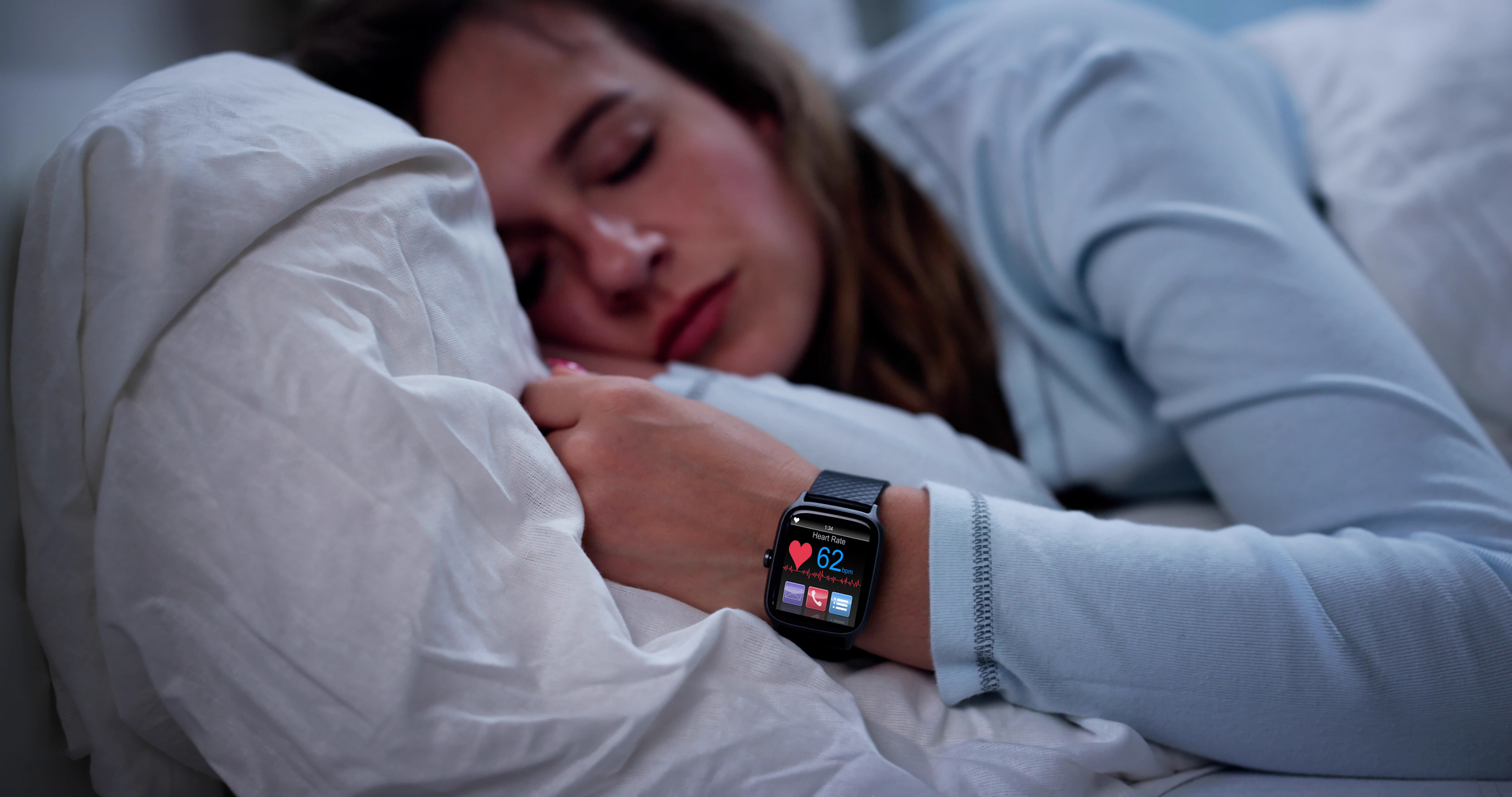
Finally, technology is rapidly evolving and omnipresent. Every day we learn of new opportunities to use technology to deliver medical interventions making them more accessible through virtual platforms, for example, and to monitor their impacts with arrays of wearable and remote sensors. The next generation is going to be challenged to leverage this technology and the emerging field of telehealth, while at the same time, not losing the intimacy and provider-patient connection so integral to whole person health.
Integrative Practitioner: How has integrative healthcare evolved in the past two decades and what do you think has been the biggest driver of that evolution?
Peter Wayne: One trend we’ve seen is the greater appreciation and reliance on nonpharmacological therapies for chronic conditions, such as pain. For example, the American College of Physicians and many other organizations have endorsed statements that advocate for beginning the treatment of pain with conservative approaches, including physical therapy, massage, acupuncture, and mind-body practices. Growing evidence now supports that patients with chronic back pain who enter the medical system using these kinds of therapies, typically have improved outcomes, and run into fewer problems with long-term opioid use, when compared with patients who are treated by, for example, pain specialists.
At our center, we have chiropractors working alongside neurologists. That’s incredible. That just couldn’t have been imagined 10 to 20 years ago. Our cranial sacral therapist commonly treats patients referred to by orthopedic surgeons. Harvard Medical School affiliated institutions now are homes to endowed programs in psychedelics and the rigorous study of health and happiness. No one could have imagined this 20 years ago. I also think that what’s happening in these very visible academic centers is spilling over into other medical institutions around the world. Locally, nationally, and internationally, the work at Osher Center and other Harvard integrative medicine program spills over into communities and is serving as a catalyst to broader grassroots programs.
In terms of what’s driven these advances, I believe that research and scientific evidence can’t be underestimated, as imperfect and incomplete as it is. To have credible researchers at Harvard Medical School and around the world, showing how brain neural networks change with acupuncture, showing that objective measures of bone density or balance change with tai chi, showing that pulmonary function changes with breathing exercises – these observations emanating from respected academic centers go a long way.
The power of individual visionary leaders has also been a huge driver of integrative medicine’s evolution. Smart, hardworking, and charismatic individuals that were in the right place at the right time with the right message – have been critical in effecting change. Of course, change also comes from the bottom up. Sometimes the cart moves the horse. Our patients’ commitment to seeking therapies they believe to be helpful have challenged us to make evaluating their effectiveness and safety a priority, and to develop policy and programs to afford access to what works. And finally, one has to acknowledge and celebrate the critical role of visionary and generous gifts of philanthropic groups like the Osher Foundation, Bravewell Collaborative, the Penny George Foundation, and the Samueli Foundation, to mention just a few. Without this support, it is unlikely that our field would exist.
Integrative Practitioner: What do you see the Osher Center accomplishing in the next 20 years?
Peter Wayne: We will continue to tackle basic concerns such as how we deal with chronic pain, especially musculoskeletal pain, and headaches. What are the right combinations of therapies that can help people, that are cost effective, and that are associated with the fewest side effects? To date, we have evaluated individual therapies and many of them show some promise. But we still have very limited knowledge of how to combine these therapies to increase their therapeutic effect, and how to best tailor multimodal programs to meet the diverse needs of unique patients. As we learn more about the underlying mechanisms, we may be better positioned to understand how combinations might work in synergy. That’s part of our strategy of multimodal approaches to existing chronic conditions, and also to preventing acute pain from becoming chronic. More generally, there’s still so little known about prevention. It’s really hard to do long-term prevention studies. I hope that our work helps inform how upstream lifestyle choices, including those that begin early in life, make a difference in the long run.
As discussed earlier, I would also say that the interface of integrative medicine with technology is an area we will be emphasizing in the next 20 years. How do we use virtual programs to increase access to integrative therapies, and how do we use high-tech monitoring to objectively evaluate the clinical and physiological effects of therapies? There are now widely available home-based monitors that look like a wireless modem that can pick up your mom’s breathing rate, her walking patterns, or temperature remotely as she walks through her home, sleeps, and watches TV. If all of a sudden, she starts walking slower over three days and her gait is less regular or her temperature or breathing patterns changes, all of this can be caught earlier on and interventions can be coordinated. Then we can prevent some serious hospitalizations or the need for nursing homes. These systems can also be used to evaluate how a home-based tai chi program is impacting a patient with Parkinson’s, or someone recovering from a stroke. I think this technology is really exciting and at Osher, we are beginning to partner with industry and engineers to leverage leading edge technology to deliver and evaluate integrative medicine.
Of course, education will remain one of our priorities. We will continue to innovate and deliver content on integrative medicine and health to our current and next generation of providers, across the full allied health spectrum. This training will aim to both educate providers about health, resilience, and wellbeing, as well provide them with tools to share with their patients. We hope to continue our research fellowship program and to work with the Osher Collaborative participating in our Clinical Fellowship Program. And through our grand rounds, network forums, and other outward facing initiatives, educate our patients, the public and the policy makers, who collectively will shape the future of medicine.
Editor’s note: This interview has been edited and condensed.
About the Author: CJ Weber

Also on Integrative Practitioner
Dental Danger: Signs of Sleep Breathing Disorders in children and Adults, Learn the Visual Clues
Non-Member Price: $30.00 Member Price: $18.00 – 40% Off for Members Only Add to Cart Presented by: Mark Breiner, DDS,...

Integrative and Comprehensive Approach to Inflammatory Bowel Disease
Non-Member Price: $30.00 Member Price: $18.00 – 40% Off for Members Only Add to Cart Presented by: Ronald Hoffman, MD,...

Measuring Biology vs. Symptomatology: The Fully Integrated Functional Wellness Program
Non-Member Price: $30.00 Member Price: $18.00 – 40% Off for Members Only Add to Cart Presented by: Dane Donohue, DC...

Change Your Genes, Change Your Life
Non-Member Price: $30.00 Member Price: $18.00 – 40% Off for Members Only Add to Cart Presented by: Kenneth Pelletier, PhD,...

Guided Imagery – Efficacious, Portable, Scalable, User-Friendly, Self-Administered
Non-Member Price: $30.00 Member Price: $18.00 – 40% Off for Members Only Add to Cart Presented by: Belleruth Naparstek, ACSW...