




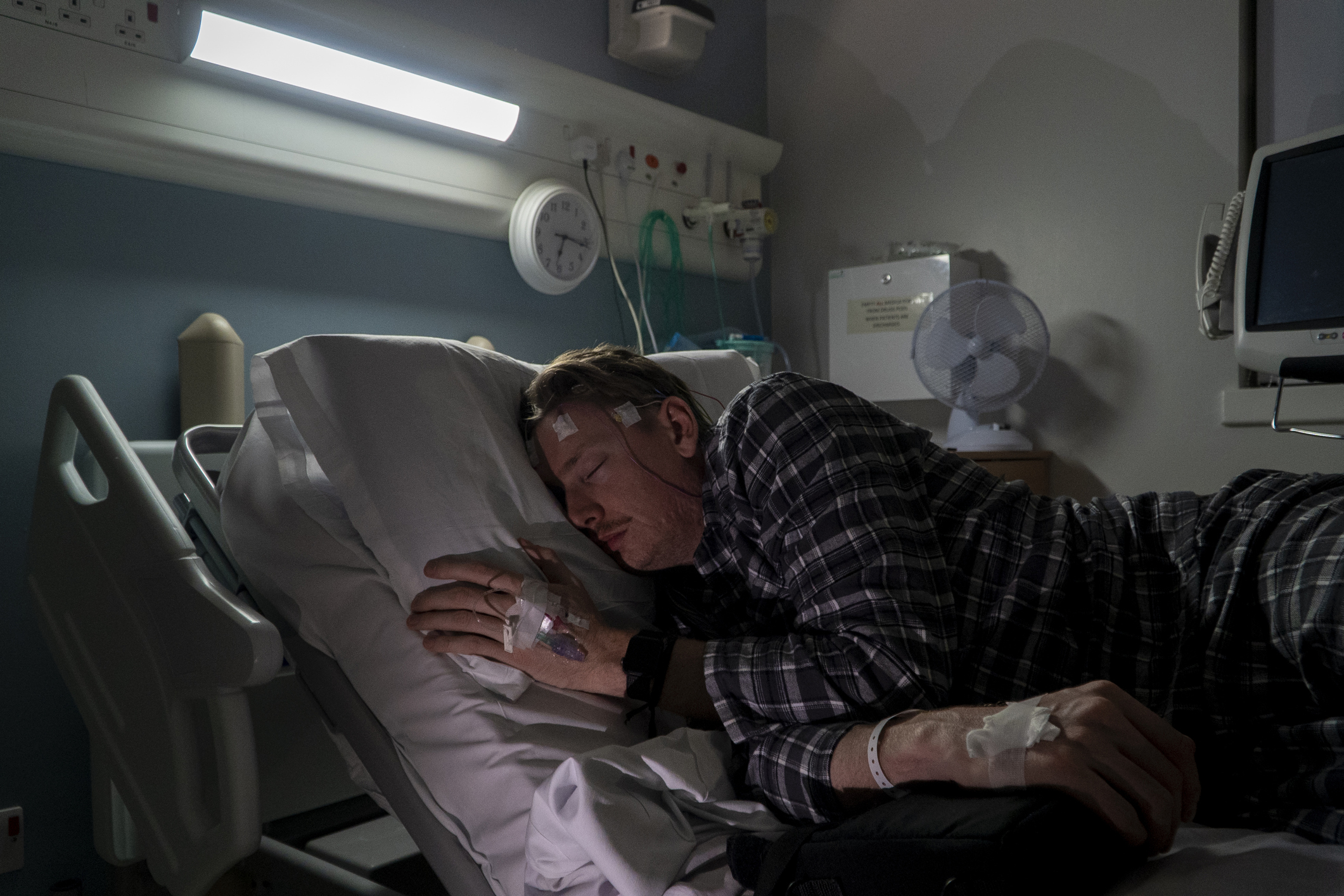





Motivational interviewing in the healthcare setting
Photo Cred: Alex Green/Pexels
By Katherine Shagoury
When considering an integrative and preventative approach to healthcare, behavior change must be addressed. However, many practitioners struggle with engaging their patients in long-term interventions. Regardless of their needs or goals, motivational interviewing can help ensure better outcomes for all patients.
Motivational interviewing encompasses a variety of communication techniques that, as described Stephen Rollnick, PhD, and William Richard Miller, PhD, in Motivational Interviewing: Helping People Change, incorporates reflective listening, gentle guidance, and collaboration to help the patient tap into their own motivations and chart a course for behavior change. It encourages the practitioner to become a partner in their patient’s change, rather than an authoritative figure dictating what needs to be done. Motivational interviewing can be broken down into five general principles:
- Express empathy through reflective listening
- Help patients identify discrepancies between their goals and values and current behaviors
- Support self-efficacy and optimism
- Avoid argument and direct confrontation
- Support self-efficacy and optimism
Additionally, motivational interviewing requires practitioners to use core active listening skills, including asking open-ended questions and offering affirmations, reflections, and summaries, as well as encouraging positive change talk and resolving ambivalence. Motivational interviewing is centered engaging, focusing, evoking, and planning.
While the concepts may seem abstract, and comprehensive education should be considered, there are a few simple steps for practitioners to begin exploring motivational interviewing and apply these techniques in patient care.
Understand the patient’s readiness for change
The Transtheoretical Model defines stages of behavior change:
- Precontemplation: patient does not intend to take action or change behavior within the next six months
- Contemplation: patient intends to take action or change behavior within the next six months
- Preparation: patient is ready to take action within the next 30 days
- Action: patient has recently changed behavior and intends to keep moving forward
- Maintenance: patient has sustained behavior change for more than six months, and must keep working to avoid termination or relapse
Assess the importance of change
Ask patients on a scale of one to 10, how much do they want to make the desired behavior change right now? Reflect on the answers provided. If the patient selected a low score, explore their values and goals, and ask thoughtful questions to help them recognize the discrepancy between their values and goals and their desired behaviors in the future, such as “how does your current behavior fit into your goals and values?”
Identify and build self-efficacy
Many patients lack self-efficacy, meaning their belief in their ability to execute behavior changes necessary to reach their goals. To assess self-efficacy, try asking patients on a scale of one to 10, how confident are they that they could change?
To help the patient build self-efficacy, ask the client about past successes, how they made them feel, what strengths they employed to reach their goals, as well as what inspires them. Help them identify sources of inspiration and support.
Decisional balance
Walk clients through a decisional balance sheet, a tool that can help them determine the pros and cons of making a change. This resource asks the clients to list 1-3 positive consequences of making the proposed change, 1-3 positive consequences of not making the proposed change, 1-3 negative consequences of making the proposed change, and 1-3 negative consequences of not making the proposed change. This exercise allows patients to identify and discuss their ambivalence in detail and analyze the costs and benefits of their actions.
Motivational interviewing occurs in phases, and these steps summarize what is known as the motivational phase. Once the practitioner and patient lay a solid motivational foundation, and the patient is ready to engage in behavior change, the practitioner can facilitate the planning phase. However, without solid motivational foundations in place, behavior change cannot be possible, so great care must be taken to ensure the patient is ready.
Lastly, motivational interviewing does take time, and some practitioners are not in a position to offer such in-depth counseling to their patients. In these instances, referral to a board-certified health coach is the best solution and can offer ongoing invaluable support for patients.
About the Author: CJ Weber

Also on Integrative Practitioner

Dental Danger: Signs of Sleep Breathing Disorders in children and Adults, Learn the Visual Clues
Non-Member Price: $30.00 Member Price: $18.00 – 40% Off for Members Only Add to Cart Presented by: Mark Breiner, DDS,...

Integrative and Comprehensive Approach to Inflammatory Bowel Disease
Non-Member Price: $30.00 Member Price: $18.00 – 40% Off for Members Only Add to Cart Presented by: Ronald Hoffman, MD,...

Measuring Biology vs. Symptomatology: The Fully Integrated Functional Wellness Program
Non-Member Price: $30.00 Member Price: $18.00 – 40% Off for Members Only Add to Cart Presented by: Dane Donohue, DC...

Change Your Genes, Change Your Life
Non-Member Price: $30.00 Member Price: $18.00 – 40% Off for Members Only Add to Cart Presented by: Kenneth Pelletier, PhD,...

Guided Imagery – Efficacious, Portable, Scalable, User-Friendly, Self-Administered
Non-Member Price: $30.00 Member Price: $18.00 – 40% Off for Members Only Add to Cart Presented by: Belleruth Naparstek, ACSW...