









Impact of pathogens on the seminal microbiome
Photo Cred: Edward Jenner/Pexels
By Carolina Brooks, BA, IFMCP
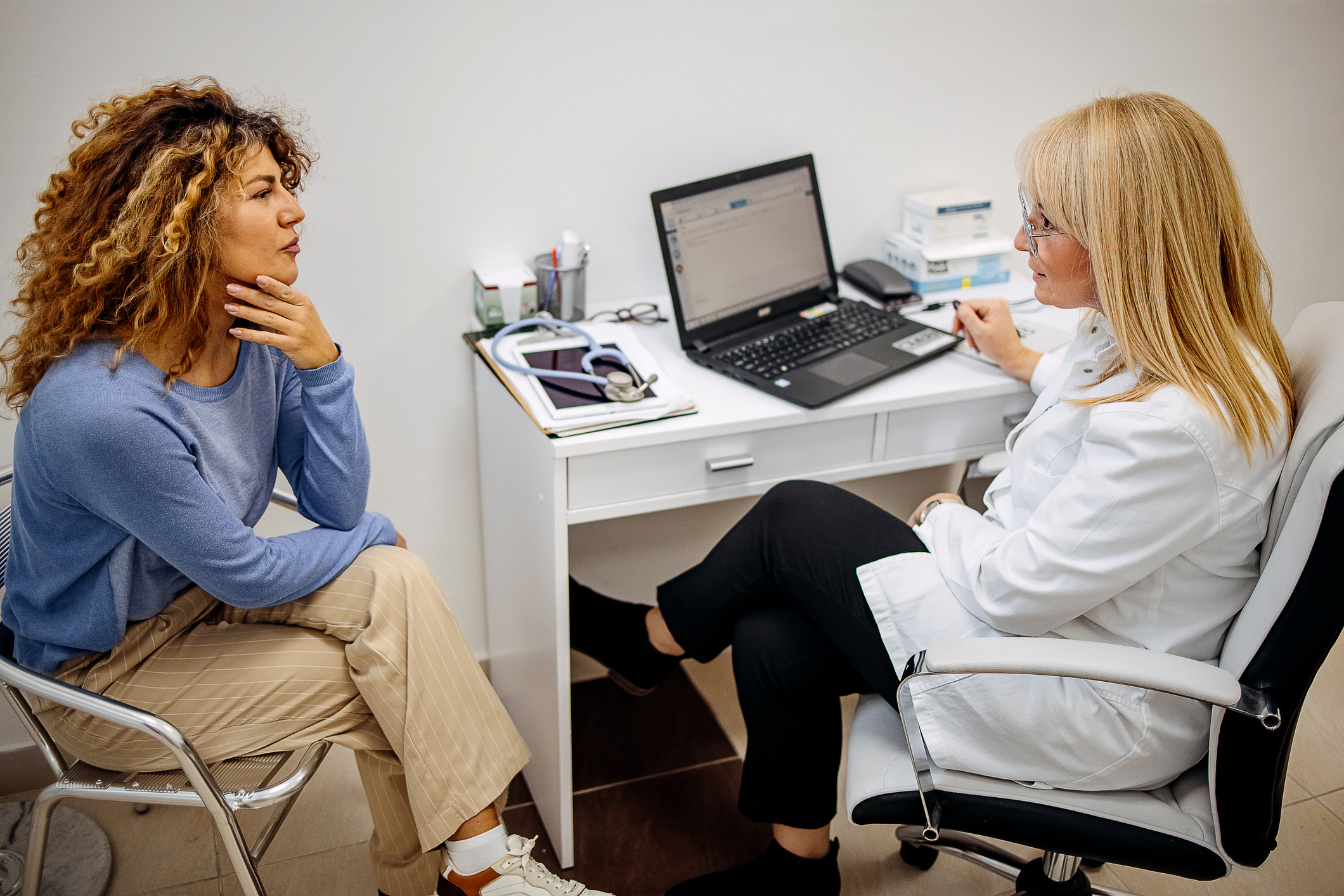
A few months ago, a patient contacted me because he had just arranged a private semen analysis for himself and the results were not as he expected. Test findings included a high volume of seminal fluid, multiple abnormal sperm with aberrant motility, anti-sperm antibodies, and indication of infection, with some agglutination and debris present. Because my patients usually have a set budget for test costs, I generally suggest this testing only if a patient is concerned about infection, prostate health, has a history of infection, or is investigating male factor infertility. The patient was in his early twenties and had no obvious need to do these tests aside from taking a biohacking approach to optimizing his health, but perhaps it’s an area we need to be more focused on as clinicians.
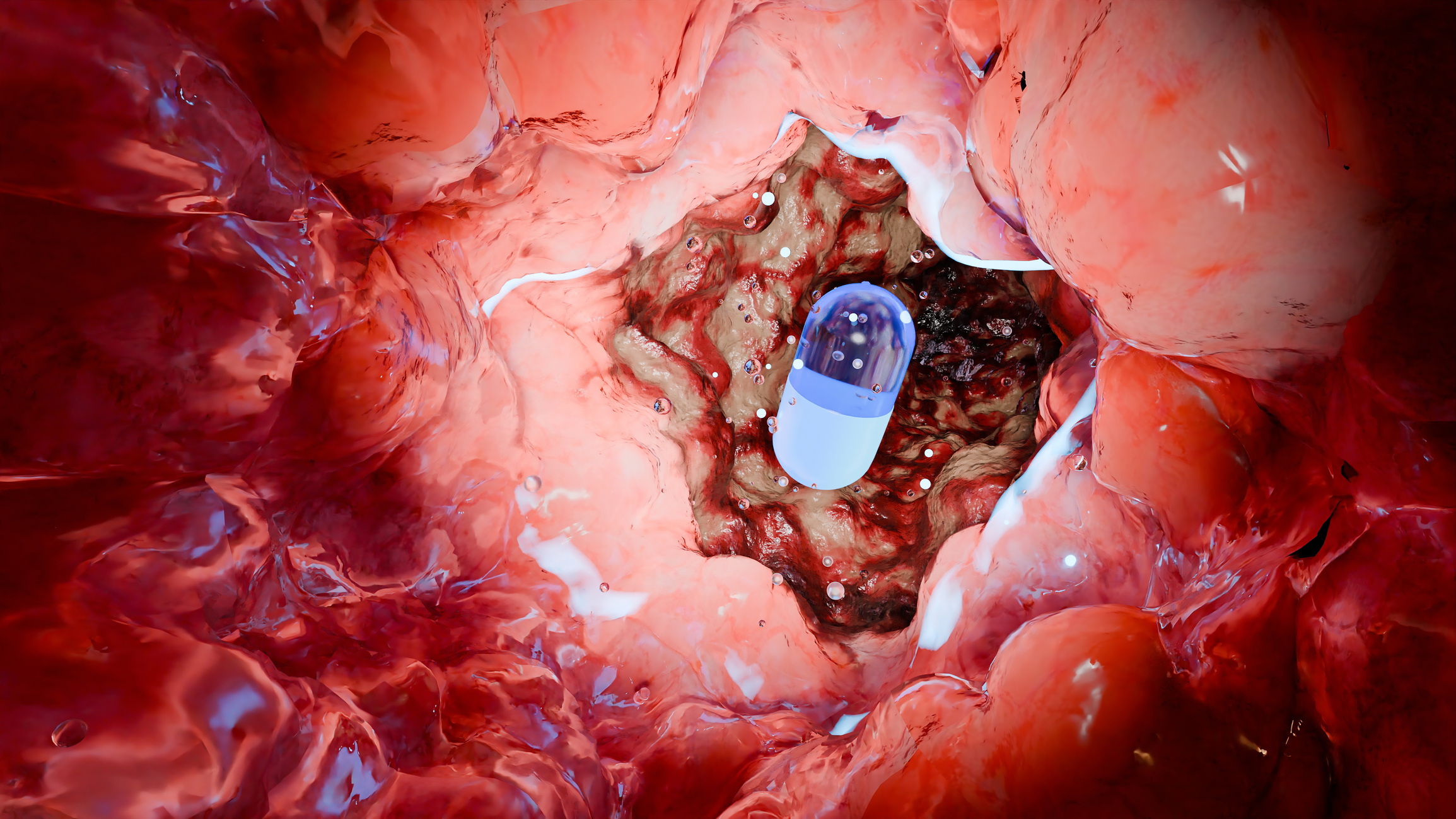
The seminal microbiome plays a significant role in maintaining male reproductive health, affects sexual partners and their reproductive health, modulates localized inflammatory and immune response, and plays a role in future fertility and ensuring health of offspring through microbiome transfer. The seminal microbiome is still poorly understood, and it is hypothesized that it has a combined origin from various urogenital tissues, from the digestive tract, blood, and from the vagina, although the seminal microbiome should contain a lower overall bacterial concentration and be more species diverse than its vaginal counterpart.
I already had all the information I needed about this patient’s genetics, ethnicity, diet, supplements, lifestyle, hygiene practices, and stress as we had been working together for some time, but there were large gaps where I had asked questions in his intake forms about sexually transmitted diseases, libido, and sexual history that had remained unanswered. I don’t like to push to get this information in the early stages as I feel that the patient has to feel comfortable enough to discuss it, but avoiding this line of questioning can increase the risk of missing important information that is relevant to a patient’s case. Most often patients do feel they can open up during the initial session, but I had never seen this particular patient in person, and I have noticed one of the downsides to telemedicine is that patients are more likely to withhold and forget crucial information.
One of the biggest factors that affects the quality of the seminal microbiome is sexual behaviors, and those of a partner, as sexual partners tend to harbor many of the same strains. A 2011 review paper in Anaerobe found that in heterosexual partners, the vaginal microbiome may experience significant changes after intercourse which could interfere with fertilization. These changes were more significant in women who had partners with a diagnosis of inflammatory prostatitis.
Some microorganisms are associated with sperm abnormalities. A 2020 review in Andrology discussed the impact of the seminal microbiome on sperm function. Ureaplasma urealyticum has been found to negatively affect sperm concentration and morphology, Enterococcus faecalis negatively impacted motility, Mycoplasma hominis negatively affected morphology of sperm, and concentration of sperm.
Higher levels of Bacteroidetes and Firmicutes tend to be present in azoospermia, species are associated with associated with sperm abnormalities. A 2020 review found that Anaerococcus, Prevotella, Proteobacteria, and Pseudomonas are associated with lower sperm quality. Additionally, it discussed the protective role of Lactobacillus species to inhibit sperm lipid peroxidation and production of reactive oxygen species, which, in turn, improves sperm motility and viability.
There were also specific microbiome findings that indicated higher quality of sperm, such as higher levels of Lactobacillus species. A 2017 article in the International Journal of Urology concluded that prostatitis patients had lower levels of Lactobacilli species and higher species diversity than men who did not have prostatitis.
Urogenital infection doesn’t only affect fertility, but pathogens can induce cellular and immune responses which negatively impact immune regulation, which can then lead to the production of antisperm antibodies and damage spermatogenesis.
My questions about the patient’s sexual history made him uncomfortable as he dismissed my questions. I explained the rationale behind my questions and how it pertained to his results, and eventually, it transpired that this patient had a history of risky sexual practices and had only been to a sexual health clinic once in the last seven years. As a non-medical integrative clinician in the United Kingdom, it’s not within my scope of practice to treat sexually transmitted diseases. Sexual education is compulsorily taught in high school as part of our national curriculum, with further support provided by our national healthcare system. I’ve learned that it’s important to never presume people have any knowledge, no matter how basic. This patient did not have adequate understanding of the risks he had been taking, nor that he should have been testing to exclude sexually transmitted diseases.
I referred the patient to his local clinic for a full sexual health screen, and a few infections came up positive, namely Chlamydia trachomatis, which can induce the development of antisperm antibodies, reduce sperm quality, motility, morphology and increase DNA damage and inflammation. He received antibiotic treatment and worked on restoring genitourinary health with supplementation of Lactobacillus and Bifidobacterium species, both of which have been shown to improve sperm motility and reduce DNA fragmentation.
References
Borovkova, N., Korrovits, P., Ausmees, K., Türk, S., Jõers, K., Punab, M., and Mändar, R. (2011). Influence of sexual intercourse on genital tract microbiota in infertile couples. Anaerobe. Retrieved from: https://doi.org/10.1016/j.anaerobe.2011.04.015
Farahani, L., Tharakan, T., Yap, T., Ramsay, J.W., Jayasena, C.N., and Minhas, S. (2020) The semen microbiome and its impact on sperm function and male fertility: A systematic review and meta‐analysis. Andrology. Retrieved from: https://doi.org/10.1111/andr.12886
Mändar, R., Punab, M., Korrovits, P., Türk, S., Ausmees, K., Lapp, E., Preem, J.K., Oopkaup, K., Salumets, A., and Truu, J. (2017), Seminal microbiome in men with and without prostatitis. International Journal of Urology. Retrieved from: https://doi.org/10.1111/iju.13286
Tomaiuolo, R., Veneruso, I., Cariati, F., and D’Argenio, V. (2020) Microbiota and Human Reproduction: The Case of Male Infertility. High-Throughput. Retrieved from: https://doi.org/10.3390/ht9020010
Valcarce, D.G., Genovés, S., Riesco, M.F., Martorell, P., Herráez, M.P., Ramón, D., and Robles, V. (2017). Probiotic administration improves sperm quality in asthenozoospermic human donors. Beneficial Microbes. Retrieved from: https://doi.org/10.3920/BM2016.0122
About the Author: CJ Weber

Also on Integrative Practitioner

Dental Danger: Signs of Sleep Breathing Disorders in children and Adults, Learn the Visual Clues
Non-Member Price: $30.00 Member Price: $18.00 – 40% Off for Members Only Add to Cart Presented by: Mark Breiner, DDS,...

Integrative and Comprehensive Approach to Inflammatory Bowel Disease
Non-Member Price: $30.00 Member Price: $18.00 – 40% Off for Members Only Add to Cart Presented by: Ronald Hoffman, MD,...
Measuring Biology vs. Symptomatology: The Fully Integrated Functional Wellness Program
Non-Member Price: $30.00 Member Price: $18.00 – 40% Off for Members Only Add to Cart Presented by: Dane Donohue, DC...

Change Your Genes, Change Your Life
Non-Member Price: $30.00 Member Price: $18.00 – 40% Off for Members Only Add to Cart Presented by: Kenneth Pelletier, PhD,...

Guided Imagery – Efficacious, Portable, Scalable, User-Friendly, Self-Administered
Non-Member Price: $30.00 Member Price: $18.00 – 40% Off for Members Only Add to Cart Presented by: Belleruth Naparstek, ACSW...