









Bitters: A secret weapon for better digestion
By Lisa Akers
Digestive health has been a focus in the integrative healthcare community for a while now. Practitioners look closely at the digestive system, as it is the foundation for proper function in every body system. When the digestive system is out of balance or operating inefficiently, symptoms such as fatigue, pain, weight gain, nutrient deficiency, and bloating or gas can drive patients in search of a solution. These vague symptoms can be difficult to treat because they are common complaints that can have many origins.
Untangling these symptoms can be a challenge, but improving digestive function benefits everyone, and it might be enough to resolve the symptoms and get that person back on the track to radiant health. Integrative practitioners look to resolve the cause rather than mask the symptom, and bitter foods are a natural way to boost the body’s own digestive processes instead of supplementing with manufactured enzymes and supplements.
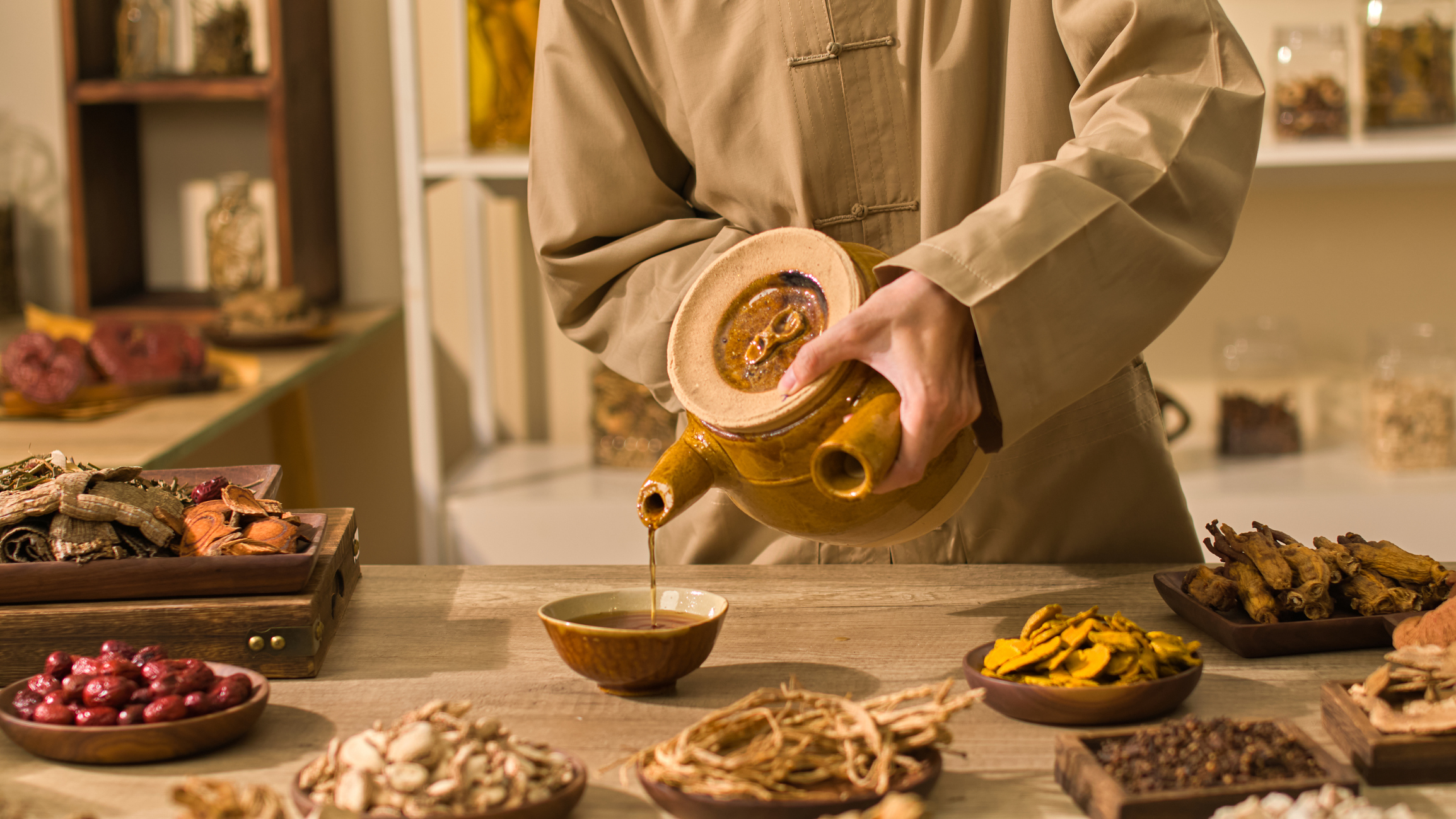
Bitter plants have been traditionally made into a concoction referred to as “bitters” or “herbal bitters.” These formulas are commonly extracted in alcohol of some sort, to ensure the key constituents are captured in the tonic. While traditionally found in a bartender’s pantry, more people are bringing bitters to cooking, medicinal use, and non-alcoholic beverages. Bitters are a trendy addition to urban bar scenes and an essential remedy in every herbalist’s apothecary.
The most common plants used in bitters are some of the most maligned weeds. Plants like dandelion, burdock, chicory, and angelica are typical ingredients in bitters recipes. More beloved bitter plants have been adapted into our daily routine with coffee, cocoa, beer, and tea. These plants contain polyphenols, flavonoids, alkaloids, and terpenes, among other constituents.
To taste bitter plants, we use the TAS2R family of taste receptors. These taste receptors are found not only in the mouth, but also all along the digestive tract, and recently discovered in the lungs. Recent research, such as this study published in May 2012, suggests that the bitter taste receptors evolved as a protective mechanism to stimulate clearing functions when exposed to toxins. The bitter taste discouraged humans from eating the plants, and the subsequent digestive stimulation helped to move any dangerous material through the system as quickly as possible.
Alkaloids are frequently implicated in poisons and in bitter tasting herbs. It is possibly the high alkaloid content that caused human taste receptors to evolve to identify and respond to bitter flavors. While many alkaloid forms are safe for ingestion, high levels of pyrrolizidine alkaloids are the foundational reason why some herbs like comfrey, agrimony, and coltsfoot, which are traditional herbal remedies are currently discouraged from internal use. These alkaloids accumulate in the body and can cause permanent damage to liver and kidney tissue. Fortunately, these herbs and plants are known and avoided in bitters formulas created by herbalists and manufacturers.
Bitter plant constituents aren’t all bad. Our bodies evolved to take advantage of bitter flavors as a signal for the body to ramp up the digestive process. When the tongue tastes something bitter, it signals to the digestive tract to ramp up production of digestive enzymes from the saliva through the small intestine. Bile is produced and released into the digestive tract, stomach acid increases, and peristalsis is stimulated. All this boosted digestive activity leads to a more complete and thorough processing of food, meaning more nutrients are released from the food and any remaining undigested food is moved out more quickly, reducing exposure to potential toxins.
Over time, the regular use of bitters increases insulin sensitivity, helping to reduce blood sugar levels and the risk of lifestyle diseases like type II diabetes and metabolic syndrome. Bitters use helps to heal the gut walls and reduce or eliminate symptoms of leaky gut and irritable bowel syndrome. Bitter plants aid the liver’s detoxification processes and can inhibit cholesterol production and reduce sugar cravings. Bitters can prevent heartburn or indigestion after a questionable meal, and can even help reduce the symptoms for people with food sensitivities when dining out. Instead of taking digestive enzymes, bitters naturally stimulates healthy and robust digestion using the full spectrum of digestive enzymes and secretions.
Bitters are a seemingly magical digestive and overall health booster. For many, the addition of bitters either through food or prepared tonics is a life-changer. Some people, however, should be cautious about adding bitters to their diet. People who struggle with kidney or gallstones should avoid the stimulating effects of bitters, which could exacerbate their condition. Pregnant and nursing women should avoid bitters, as they can stimulate uterine contractions and transfer through breastmilk. A physician familiar with herbal remedies or an herbalist can provide information about herb-drug interactions or contraindications for specific health conditions.
Stepping beyond the familiar bottle of Angostura Bitters, this fabulous flavor can be found in foods like arugula, dandelion, grapefruit, artichoke, kale, cranberries, ginger, black pepper, and cardamom. Coffee, beer, and teas all contain bitter tannins that work in the same way to boost digestion, support the liver, and encourage robust health. Some herbal companies are making boutique bitter blends with popular flavors like maple, curry, and chamomile. Cookbooks for food and beverages with bitters and for making your own bitters are appearing, too. A quick search of Pinterest yields dozens of do-it-yourself recipes that are easy to make from readily available ingredients.
Bitters are most effective when taken about 30 minutes prior to a meal, but any time is better than not at all. Bitters can be taken between meals to help with food or sugar cravings, or after a meal when indigestion threatens. As a tonic, bitters can be dropped directly onto the tongue or mixed with a beverage. Bitter foods like parsley, kale, and radicchio serve the same function as the tonic when eaten as a pre-meal salad and have the added benefit of nutrients and fiber.
The modern diet has substituted processed, sweetened foods for these traditional bitters, so these foods can be difficult to add to a patient’s diet. Foods are often easiest to add. A bitter green salad with oil and vinegar or a small glass of sparkling water with a bitter tonic or even unsweetened cranberry juice splashed in sparkling water are easy additions to a reluctant patient’s diet. Once someone starts to enjoy bitter flavors, they’ll naturally shift away from sweeter foods, which have far reaching benefits.
Summer is a great time to introduce bitters, as ice-cold fizzy beverages are popular offerings at events and gatherings. A dropper-full of bitters in a glass of tonic water or club soda is a refreshing way to cool off on a hot day, and it has long-lasting health benefits. Developing a taste for bitters now will pay off when the cooler weather returns and we’re shifting from the abundant fresh produce to richer, carb-filled foods and preserved meats.
About the Author: CJ Weber

Also on Integrative Practitioner

Measuring Biology vs. Symptomatology: The Fully Integrated Functional Wellness Program
Non-Member Price: $30.00 Member Price: $18.00 – 40% Off for Members Only Add to Cart Presented by: Dane Donohue, DC...

Integrative and Comprehensive Approach to Inflammatory Bowel Disease
Non-Member Price: $30.00 Member Price: $18.00 – 40% Off for Members Only Add to Cart Presented by: Ronald Hoffman, MD,...

Dental Danger: Signs of Sleep Breathing Disorders in children and Adults, Learn the Visual Clues
Non-Member Price: $30.00 Member Price: $18.00 – 40% Off for Members Only Add to Cart Presented by: Mark Breiner, DDS,...

Dietary Needs of the Cognitively Impaired
Non-Member Price: $30.00 Member Price: $18.00 – 40% Off for Members Only Add to Cart Presented by: Laura Rokosz, PhD...

Lifestyle Choices Chart Your Brains Destiny
Non-Member Price: $30.00 Member Price: $18.00 – 40% Off for Members Only Add to Cart Presented by: David Perlmutter, MD,...