




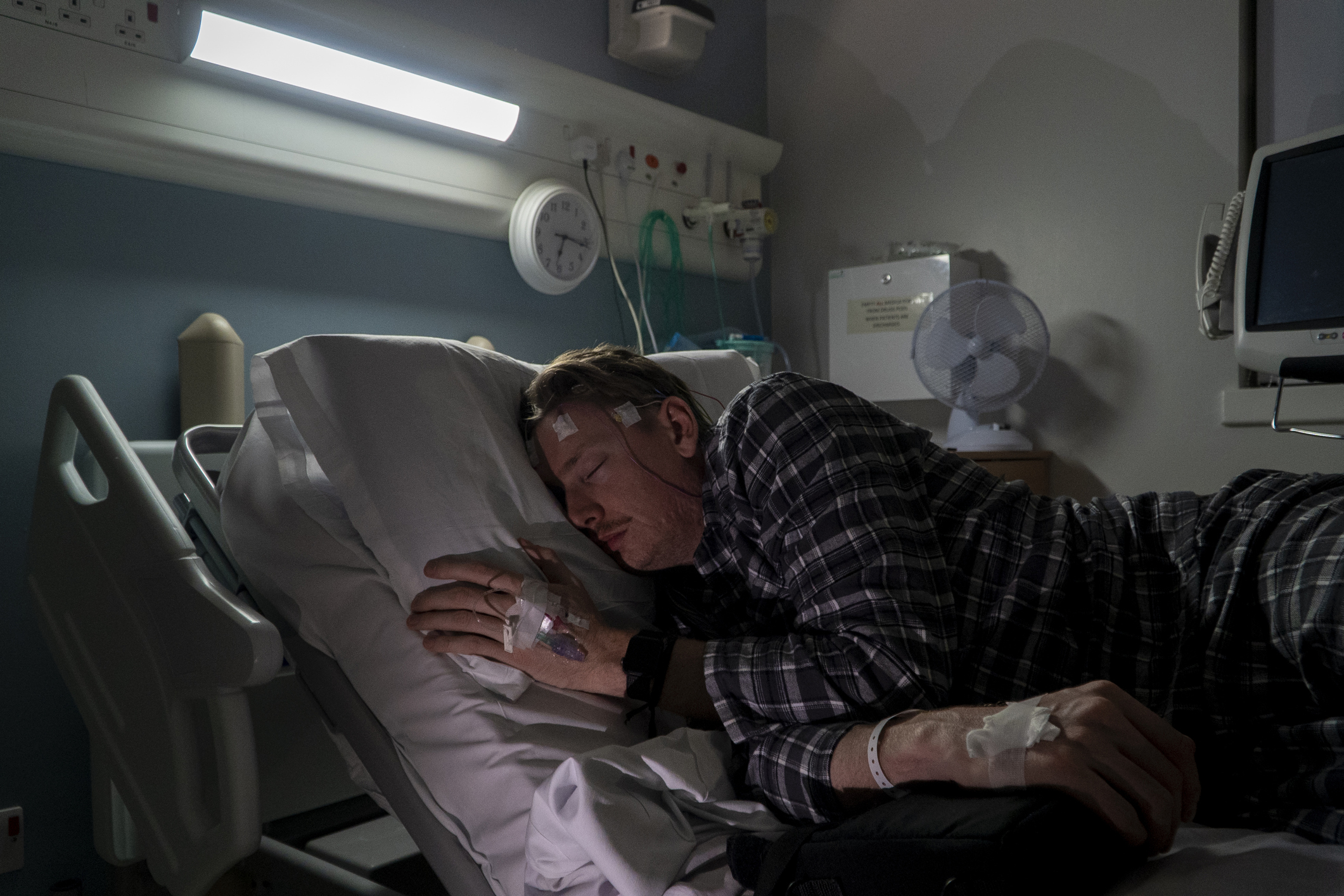





Health implications of mold toxicity
Photo Cred: Chokniti Khongchum/Pexels
By Carolina Brooks, BA, IFMCP
I recently had a 48-year-old woman come to my clinic to address serious health concerns. Her symptoms started seven years prior when she moved into her apartment, an old wharf building near the river. Within a year, her cognitive function rapidly declined, she suffered extreme fatigue, and was unable to get out of bed. Within three years, she was unable to work. She started experiencing bouts of repeated illness, became allergic to certain pollens, and was no longer able to tolerate alcohol, saying she felt as if she had been poisoned when she had a glass of wine.
After repeated cases of pneumonia, she was diagnosed with bronchiectasis. She had severe visceral pain and joint swelling and she became reliant on painkillers. She had put on a significant amount of weight over the course of the seven years, and her sleep began to suffer. She was diagnosed with fibroids, and none of the seven courses of in-vitro fertilization she tried with both her own eggs and those of a donor were successful. Her husband also became ill with respiratory illness and severe fatigue. Their symptoms improved when they went on extended holidays. All blood tests came back within the normal range, so her doctors were unable to explain the symptoms or find a cause.
In her medical history, the patient had dropped a thermometer and played with the mercury directly on her hand, she had multiple traumatic brain injuries (TBIs), and she had developed septicemia after a motorcycle accident in her twenties. Her gallbladder was also removed in her twenties, impacting bile flow. She had an additional TBI just before the symptoms started to manifest, which resulted in a fractured skull and broken teeth.
This patient had clear clinical signs and symptoms of toxic mold syndrome, which is caused by mycotoxins and microbial volatile organic compounds (MVOCs). A 2015 article in the journal Toxins describes mycotoxins as secondary toxic metabolites produced by fungal organisms, capable of causing death and disease in animals and humans. The authors also differentiate MVOCs as carbon compounds that evaporate at room temperature, which are off-gassed by molds, often as a byproduct of degradation.
MVOCs often toxic properties and are responsible for the musty odors associated with damp indoor spaces. Molds do not make mycotoxins specifically to make people sick, but as a protective mechanism to keep molds out of the environment. The problem becomes serious when species grow in water-damaged buildings without challenge, rather than in their natural environment. In a 2007 study in the Indoor Air Journal, the prevalence of water-damaged buildings in the United States that had no visible leaks or obvious water damage was estimated at around 50 percent.
Damp building materials may cause an increase in volatile substances released during secondary reactions and chemical degradation of building materials, especially compounds such as phthalates, further exacerbating health impact. The downstream effect of these compounds does not just impact health directly, but impacts the health of the animals we eat, mycotoxins present in foods we eat, and those present in animal feed, especially as many mycotoxins have carcinogenic, mutagenic, hepatotoxic, nephrotoxic, and neurotoxic effects.
Around 25 percent of the population is incapable of processing mycotoxins and they do not have the relevant immune response genes to form antibodies to foreign antigens. This allows the mycotoxins to set off a complex cascade of chemical events known as the biotoxin pathway in which inflammatory processes are upregulated, cytokine production is increased, and complement split products are generated and chronically activated. Transforming growth factor beta 1 (TGF- β1) is also released, which can impair T-regulatory cell function.
As the inflammatory cascade continues, hypothalamic function is affected as alpha melanocyte-stimulating hormone (MSH) production is reduced, clotting factor production is increased, vasoconstriction and capillary hypoperfusion exacerbate feelings of fatigue, shortness of breath, and pain. Immune dysregulation may then create allergic and antigenic responses, increased oxidative stress, and poor mitochondrial function such as oral and environmental tolerance are lost. Cortisol production is upregulated in the early stages of illness and then may drop as adaptive response is weakened, and persistent immune activation and inflammation upregulation become chronic.
There are several assessments which can help to ascertain mycotoxin illness. The VCS test, which assesses whether a patient has experienced toxic exposures that have affected optic nerve function, can be accessed online or in clinic. A well-designed neurotoxic questionnaire to assess potential toxic exposures and the biotoxin journey test can help you understand if your patient is likely experiencing symptoms of mold toxicity.
A patient may present with allergic, inflammatory or toxic reactions, chronic infection, or a combination. Some mycotoxins such as Zearalenone act as mycoestrogens, interfering with normal estrogen metabolism, upregulating aromatase activity and affecting release of prolactin and luteinizing hormone, while others such as aflatoxins derived from Aspergillus molds, fumonisins derived from Fusarium, and trichothecenes from Stachybotrys species disrupt tight junctions in the gut and the pulmonary barrier, resulting in repeated respiratory infections. Sinusitis, migraines, insomnia, skin exacerbations, and fatigue are other common symptoms. Neuropsychiatric symptoms can include memory and focus issues, brain fog, depressions, inability to easily assimilate new information, reactivity to new environments, anxiety, and depression. A 2016 paper in the journal Aging identifies type 3 Alzheimer’s disease as a result of toxic exposures such as mycotoxins.
This patient’s history is particularly significant due to multiple historic toxic exposures, blood brain barrier permeability confirmed by testing, and consequent glial activation in the brain resulting in neuroinflammation.
The first thing I asked this patient was if she could remove herself from her environment, which was not possible as her husband did not believe their home to be the problem. I told her that to move forward, she would need to buy air filters and dehumidifiers for each room in the house, and use a hygrometer to assess indoor humidity levels, which should be under 50 percent. Other areas to assess include hidden pipe leaks, appliances, drainage, window installations and heating, ventilation and air conditioning (HVAC) systems.
A building investigation included analysis of Environmental Relative Moldiness Index (ERMI) indicated presence of species of Ascospores, Stachybotrys and Aspergillus, all at high levels and producing toxic metabolites. Even before any results came back, the patient and her husband moved out of the bedroom, sealed the vents, and moved into the living room before they even bought the air filters and dehumidifier. Their symptoms improved dramatically.
A glutathione-challenge urinary mycotoxin test pulled up various mycotoxin species, including those mentioned above. In my clinical experience, everyone will have some levels of urinary mycotoxins, which is why it’s important to do further assessment by looking at relevant blood markers, including a full blood count and comprehensive metabolic profile, complement split, MSH, fasting leptin, thyroid hormones, TGF- β1, vasoactive intestinal peptide (VIP), vascular endothelial growth factor (VEGF), and matrix metallopeptidase (MMP9). I also like to do a full dried urine hormone evaluation to assess potential hormone dysregulation and estrogen metabolism.
We started with a focus on eliminating high histamine, inflammatory foods and methods of cooking, with a focus on liver-supportive foods to support drainage and detoxification. I included anti-histaminic herbs such as tulsi, lavender, and nettle and immunomodulating herbs such as turmeric, echinacea, devil’s claw, sweet wormwood, and cat’s claw in powder form. We also added in some adaptogens and nervines such as rosemary, ashwagandha, and rhodiola to support cognitive function, reduce inflammation, support adrenals, and stabilize cortisol response.
We used glutathione and other nrf2 activators to stabilize detox pathways, restore immune function, support mitochondrial function, and reduce inflammatory cytokines and impact of oxidative stress. We used cholagogues such as artichoke, boldo, and gentian to support gallbladder function, and binders such as fish oil, humic, and fulvic acids and high dose vitamin C. I asked the patient to ensure the living area was kept very clean, using non-toxic products, as the spread of food particles can trigger biological activity.
Detoxification and supportive strategies included using a regular infra-red sauna, frequency specific microcurrent, Epsom salt baths and castor oil packs. The patient also began to regularly implement gentle exercise and regular stress management practices.
After four months, the home remediations began and the patient moved out of her home for a month. We introduced nebulized glutathione, colloidal silver, propolis, and an antifungal formula to be both nebulized and used in a nebulizing room diffuser, including clove, oregano, eucalyptus, lavender, and tea tree essential oils.
At the nine-month mark, the patient felt her energy coming back, and her other symptoms also improved. She started sleeping in her bedroom again. We decided to repeat the glutathione challenge mycotoxin urine test and do nasal swab culture for Multiple Antibiotic Resistant Coagulase-Negative Staphylococci (MARCoNS) to assess biofilm, identify fungi, gram-positive and gram-negative bacteria. The mycotoxin results looked much better, and the MARCoNs test came back negative.
References
Bennett J.W. and Inamadar A.A. (2015) Are some Fungal Volatile Organic Compounds (VOCs) Mycotoxins? Toxins. Retrieved from: https://www.ncbi.nlm.nih.gov/pmc/articles/PMC4591661/
Mudarri D. and Fisk W.K. (2007) Public Health and Economic Impact of Dampness and Mold. Indoor Air Journal. Retrieved from: https://iaqscience.lbl.gov/sites/default/files/Health%20and%20Economic%20Impacts%20of%20Dampness.pdf
Bredesen D. (2016) Inhalational Alzheimer’s disease: an unrecognized – and treatable- epidemic. Aging. Retrieved from: https://www.ncbi.nlm.nih.gov/pmc/articles/PMC4789584/
About the Author: CJ Weber

Also on Integrative Practitioner

Measuring Biology vs. Symptomatology: The Fully Integrated Functional Wellness Program
Non-Member Price: $30.00 Member Price: $18.00 – 40% Off for Members Only Add to Cart Presented by: Dane Donohue, DC...

Integrative and Comprehensive Approach to Inflammatory Bowel Disease
Non-Member Price: $30.00 Member Price: $18.00 – 40% Off for Members Only Add to Cart Presented by: Ronald Hoffman, MD,...

Dental Danger: Signs of Sleep Breathing Disorders in children and Adults, Learn the Visual Clues
Non-Member Price: $30.00 Member Price: $18.00 – 40% Off for Members Only Add to Cart Presented by: Mark Breiner, DDS,...

Dietary Needs of the Cognitively Impaired
Non-Member Price: $30.00 Member Price: $18.00 – 40% Off for Members Only Add to Cart Presented by: Laura Rokosz, PhD...

Lifestyle Choices Chart Your Brains Destiny
Non-Member Price: $30.00 Member Price: $18.00 – 40% Off for Members Only Add to Cart Presented by: David Perlmutter, MD,...